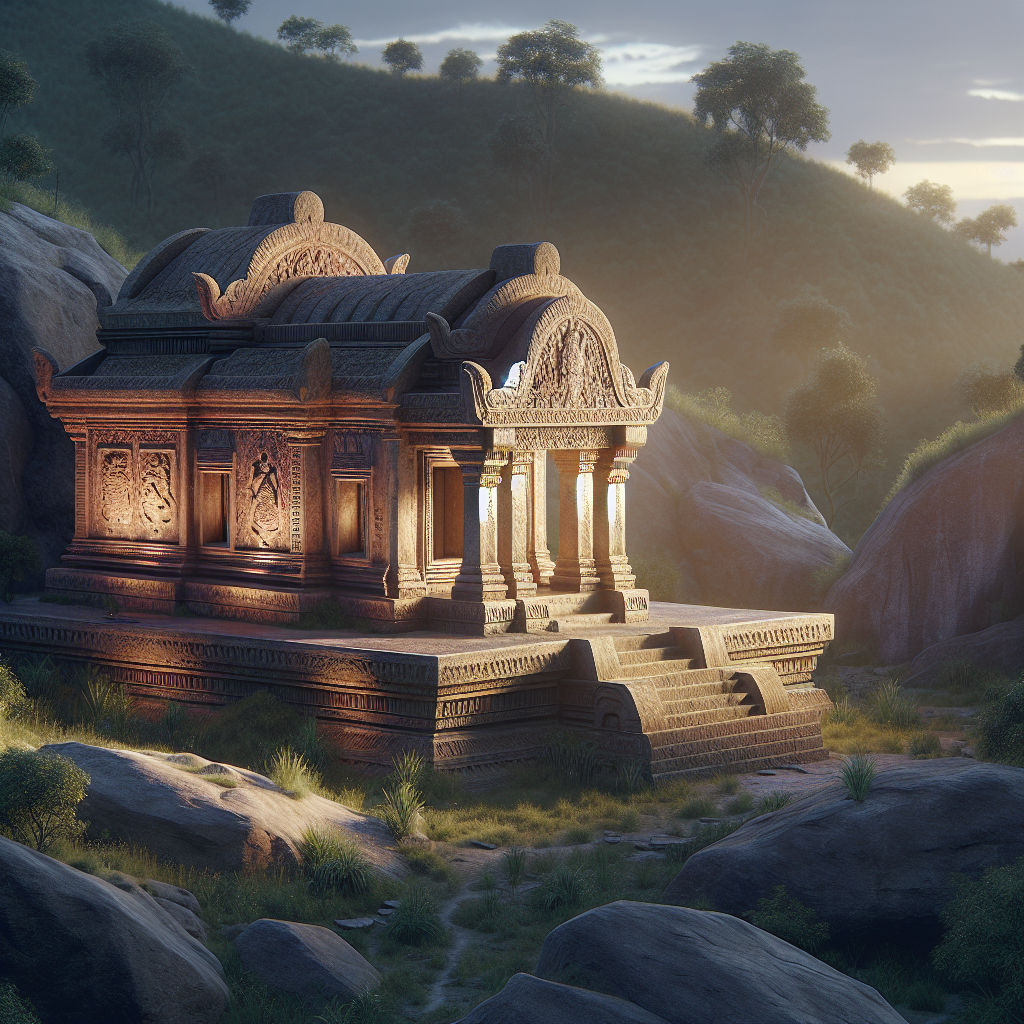

Discovering Tatul Sanctuary: A Portal to the Ancient Past
If you’re ready to embark on an exhilarating journey through time and space, rev up those imaginal engines because Tatul Sanctuary is the archaeological rocket ship you didn't know you needed! Nestled in the heart of southern Bulgaria and wrapped within the rolling hills of the Rhodope Mountains, this captivating site unlocks treasures of human history dating back thousands of years. Discovered in the late 20th century, Tatul Sanctuary is believed to have been a sacred site of great cultural and spiritual significance, thriving during the Late Bronze Age and continuing its use well into the early Iron Age. Curious to know more? Strap in as we parse through this extraordinary window into an enigmatic past.
A Mesmerizing Encounter with History
Tatul Sanctuary may not be as commonly known as other historical sites like Stonehenge or the Pyramids of Giza, but its significance is equally tantalizing. Situated about 15 km east of the town of Momchilgrad, the sanctuary offers a diverse medley of archaeological wonders. Discovered during excavations in the 1970s, researchers began to uncover stone structures and artifacts that have left historians and archaeologists spellbound.
At the heart of the site, a megalithic complex originally thought to be a Thracian tomb takes the spotlight. This complex consists of a series of stone-cut niches and altar-like structures, so ingeniously designed that experts were quick to surmise their ritualistic uses. Intricately carved into the rocky landscape, these niches are thought to have functioned as conduits for celestial observations and religious ceremonies.
Who Were the Thracians?
To genuinely appreciate Tatul, it's essential to shine a light on its mysterious creators—the Thracians. Often eclipsed by their more famous contemporaries, the Greeks and Romans, the Thracians were an Indo-European people whose complex culture and society flourished between the 1st and 5th centuries AD. They are most famously chronicled in Greek mythology as fierce warriors and accomplished horsemen.
Now, why does all this matter? Well, the Thracians left behind an impressive suite of tangible narratives—whether it be their gold treasures, ornate ceramics, or architectural genius, such as at the Tatul Sanctuary. As we continue to sift through the archaeological evidence, a familiar pattern emerges that spotlights their enduring influence on European history.
The Celestial Connection: A Glimpse into the Cosmos
One of the most intellectually rewarding aspects of Tatul is its profound relationship with astronomy. Dubbed a 'megalithic observatory,' the site has been astutely aligned with celestial events. Some scholars propose that the niches were positioned to track the movement of the sun and the stars, functioning as an ancient calendar of sorts.
The Thracians may have used these cosmic charts to determine auspicious times for planting and harvesting or for synchronizing their spiritual rituals with the rhythms of the universe. Imagine a time when gazing up at the stars wasn't a hobby but a necessity interwoven with divine reverence—an aspect of life that connected the earth and sky in a cosmic dialogue.
Archaeological Excavations and Discoveries
Peering deeper into the archaeological endeavors at Tatul, meticulous efforts have unearthed countless relics, including ceramic vessels adorned with intricate motifs, bronze ornaments, and even fragments of finely-woven textiles. These artifacts reinforce the idea that Tatul was not just a remote outpost but a thriving cultural hub bustling with spiritual zeal.
In recent years, high-tech methods like 3D scanning and aerial photography have added layers to our comprehensive understanding of this Bulgarean marvel. Researchers are continually amazed by the site's complex layers of history and its role as a ceremonial nexus.
The Mystical Aura and Its Contemporary Value
In today's world, the aura of Tatul Sanctuary extends beyond academic interest, transcending into the realm of the ethereal. Many believe that the sanctuary possesses a mystical energy, drawing in droves of visitors seeking spiritual renewal or simply a historical immersion.
Today, Tatul serves as a poignant reminder of our rich, shared cultural heritage. It underlines the pivotal role ancient peoples played in shaping the spiritual landscape of Europe, reminding us of the ingenuity and ever-present curiosity that have characterized humanity for millennia.
A Voyage Worth Taking
The allure of Tatul isn’t confined to its stony structures or cosmic alignments—it resonates through the narratives and emotions it stirs in visitors, even centuries after its zenith. Whether you are a seasoned archaeologist or a curious traveler, a visit to Tatul Sanctuary is akin to flipping the pages of a living history book filled with the stories and secrets of the Thracians and their ancient cosmic dialogues.
If you're planning to visit, remember to take in not only the visual splendor but to engage with the whispers of the past—the timeless carols of a civilization expressed through the chisel and the stars. Tatul is undeniably a journey through time that adorns the soul with intrigue and reverence.