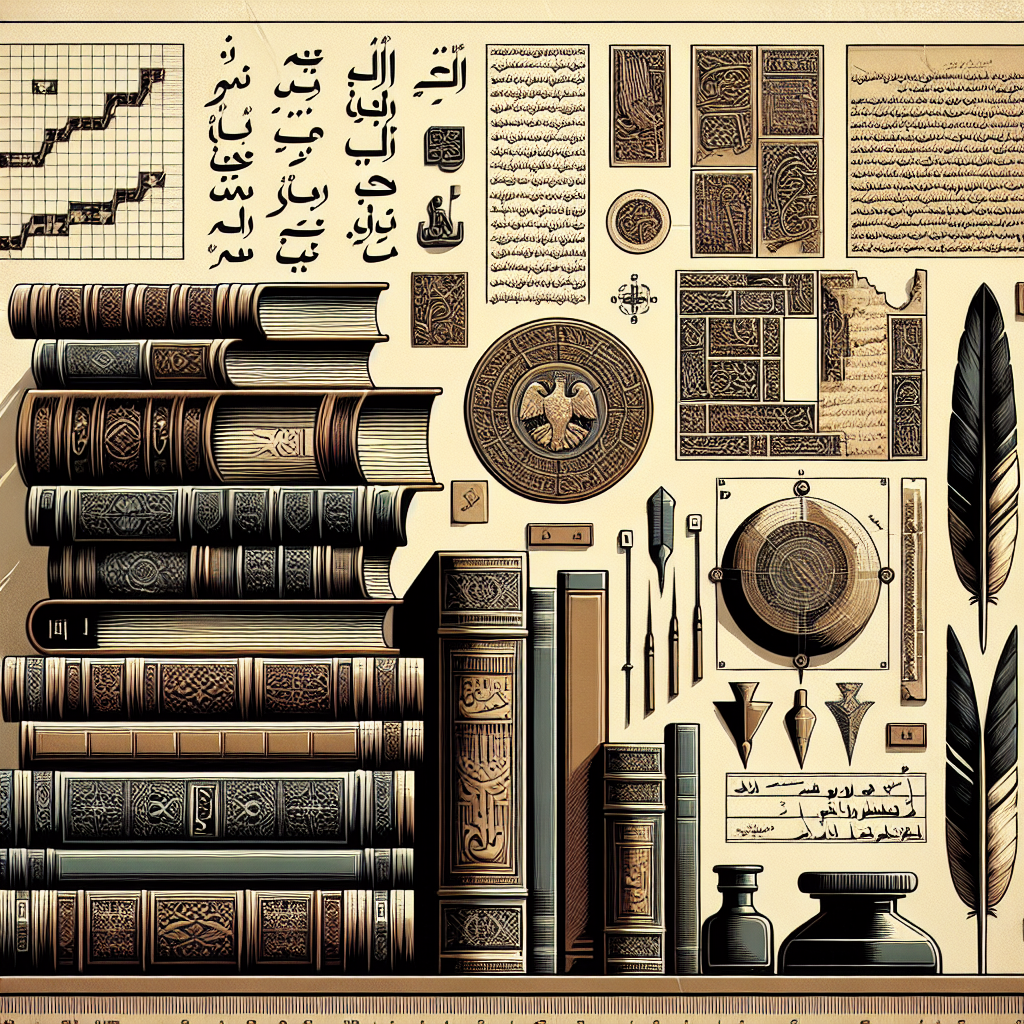

Imagine a world where words weave intricate tapestries of culture, thought, and belief, bridging past and present with their timeless elegance. Welcome to the captivating realm of Syriac literature! Emerging in the early centuries AD within the bounds of ancient Syria and Mesopotamia, Syriac literature is a captivating blend of theology, philosophy, and poetry created by Christian communities speaking the Syriac dialect of Aramaic. This literary tradition flourished in regions like Edessa (modern-day Urfa, Turkey), spreading its intellectual and spiritual influence across the Middle East and beyond.
The Origins and Evolution of Syriac Literature
Who were the masterminds behind this cultural phenomenon? At its heart were the Christian scholars and ascetics who used their spiritual insights to craft enduring works of art. What exactly is Syriac literature? It's more than just words on a page; it's a trove of theological discourses, biblical translations, hymns, and mystical writings. When did this tradition take root? Its inception is traced back to the early centuries AD, gaining momentum as it spread through influential centers like the School of Nisibis in the 5th century. Where did this literary magic happen? While originating in ancient Syria, its reach eventually extended into Persia, India, and even China, thanks to the missionary zeal of the Nestorian Church. Why does it matter? This corpus provides invaluable insights into the religious, philosophical, and cultural fabric of ancient and medieval Middle Eastern societies.
Unveiling the Literary Treasures
At the core of Syriac literature are translations of biblical texts that offer a window into early Christian thought. The Peshitta, a version of the Bible in Syriac, remains a cornerstone to this day. However, the literary riches don't stop there. Consider, for instance, the poetic hymns by St. Ephrem the Syrian, whose writings have earned him the title of the 'Harp of the Holy Spirit.' His melodies reflect a mastery of language and a depth of spirituality that continue to resonate with readers and scholars alike.
Equally fascinating are the theological and philosophical treatises that tackle profound existential questions. The Book of Steps, a collection of spiritual instructions, guides readers through a mystical journey toward divine union. Meanwhile, the works of Jacob of Sarug and Isaac of Nineveh provide sophisticated expositions on Christian theology and ethics.
Cross-Cultural Encounters
Syriac literature is also a testament to the vibrant cross-cultural exchanges of the time. The fertile intellectual environment allowed for the transmission of Greek philosophical texts into Syriac, subsequently influencing Islamic and Western thought. Syriac translators played a pivotal role in preserving and disseminating the works of Aristotle, Galen, and other classical thinkers. This transmission was crucial in shaping the medieval scholastic tradition and, by extension, modern Western philosophy and science.
The Challenges and Revival
Despite facing numerous challenges—political upheavals, religious conflicts, and the decline of the Syriac language—this literary tradition has shown remarkable resilience. Today, a renewed interest in Syriac studies is reviving this neglected chapter of world literature. Scholars and enthusiasts are working tirelessly to preserve and study ancient manuscripts, translating and interpreting these texts for a wider audience.
Moreover, digital technology is revolutionizing access to Syriac literature. Online databases and digital archives are making these once-obscure texts more accessible than ever, sparking a new wave of appreciation and understanding.
The Enduring Legacy
The legacy of Syriac literature is a shining example of humanity's quest for truth and wisdom. It is a vivid illustration of how cultural and religious dialogues can transcend borders and epochs, offering insights into the shared human experience.
In exploring Syriac literature, we're not only uncovering the history of a particular region but also discovering universal themes that continue to resonate in our modern world. This remarkable tradition reminds us of the richness of human expression and the enduring power of words to inspire, console, and unite.