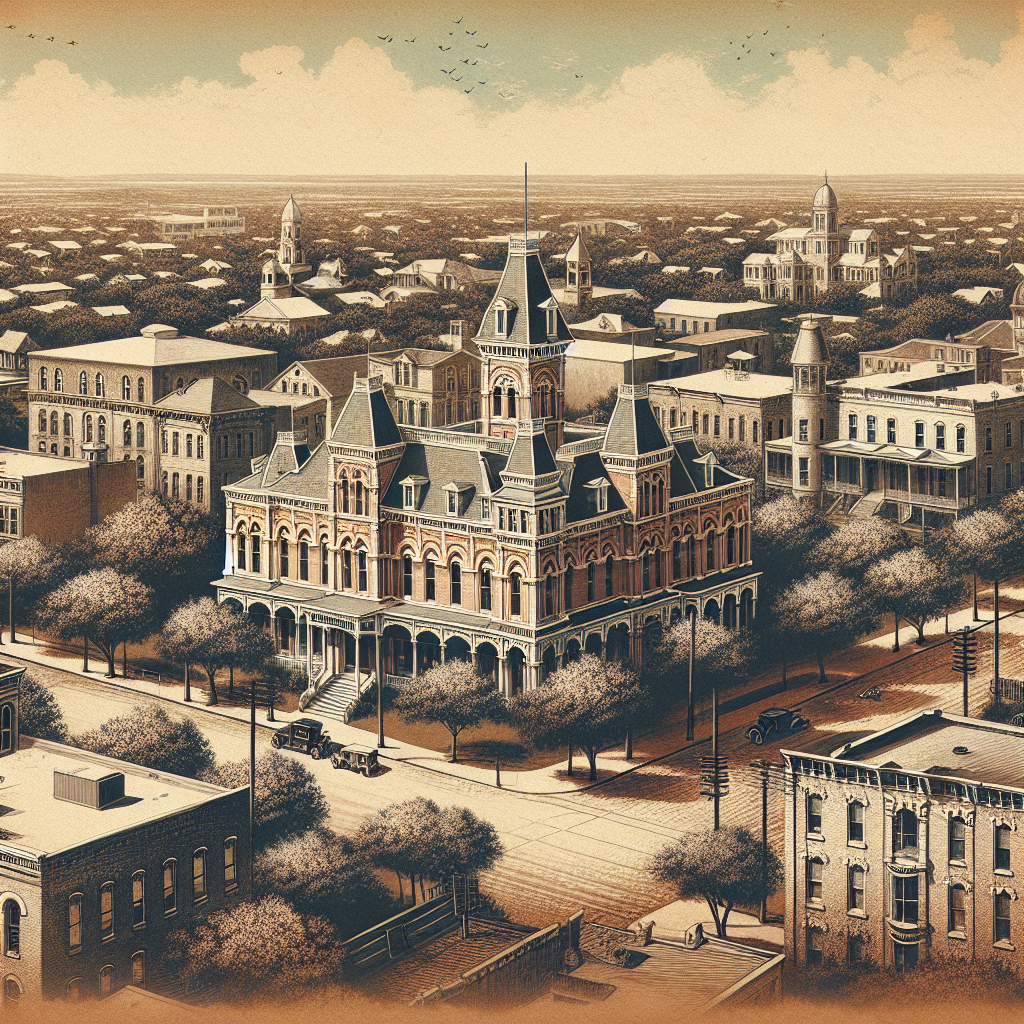

In the heart of the picturesque city of Sycamore, Illinois, something magical unfurls at the turn of each street. It’s almost as if every building whispers secrets of the past to anyone who cares to listen. This vibrant region, known as the Sycamore Historic District, isn't just about charming facades; it's a beautiful weave of history, architecture, and the stories of those who walked its cobbled pathways long before the age of smartphones and electric cars.
Situated in the northern part of Illinois, the Sycamore Historic District is a cornucopia of historical magnificence. It was designated as a U.S. Historic district in 1978. But why, you may ask, should this old district hold any importance in our modern world? Well, simply because it paints a vivid picture of the architectural styles and communal life from the mid-19th century onwards, allowing us to celebrate human ingenuity and learn from our storied past.
The Historic Narrative: Tracing the Past
Who Built the District? The Sycamore Historic District is home to over 200 buildings, each a testament to the industrious spirit and artistic soul of its creators. Many of these structures were built between 1850 and 1940, a period during which the city thrived as a bustling hub thanks to agriculture and the railroad industry. Local builders, often using resources from the region, crafted homes and businesses showcasing a blend of styles from Greek Revival to Queen Anne.
Why Does It Matter? The lasting importance of the district lies in its ability to provide a tangible connection to the socio-economic and cultural development of the region during that era. The buildings represent not just architectural beauty, but are also snapshots of the times; they tell stories of ambition, tradition, and change.
Architectural Melange: A Feast for the Eyes
Walking through the Sycamore Historic District is like embarking on an architectural treasure hunt with every corner offering a surprise. From Greek Revival to Queen Anne, and Italianate, the district showcases a wide array of styles. Let's break them down in simple terms that even a casual historian can appreciate.
Greek Revival: Characterized by its symmetrical shape, heavy cornices, and columns reminiscent of ancient Greece, these structures are notable for their imposing appearance. One might mistake these for grandiose government buildings, but they are the remnants of residential luxury gone by.
Queen Anne: Exemplified by their asymmetrical facades, decorative trims, and multi-textured walls, Queen Anne homes are like gingerbread houses for grown-ups. They speak volumes of the late 19th century’s fascination with ornate detail and eye-catching designs.
Italianate: With low-pitched roofs, tall windows, and arches, Italianate buildings add a touch of romance to the district. These structures, inspired by Italian farmhouses, became quite popular in America’s towns and cities during the 19th century.
Cultural Hudson: Stories of the Past
Sycamore Historic District is not just a visual marvel but a heart-rendering journey through the lives of ordinary people who influenced the extraordinary transformation of the area. The district was primarily populated by industrious farmers, skilled tradesmen, and ambitious entrepreneurs—all contributing to the region’s narrative.
One cannot discuss Sycamore without mentioning the annual Sycamore Pumpkin Festival that began in the 1960s—a tradition pulsating with community spirit that celebrates the locale's agricultural roots and encourages creativity.
A Living Museum: Why Visit Today?
The Sycamore Historic District isn't just about reminiscing the past; it's a living museum that continues to inspire the present and future. Here’s why a visit would be a wise chord to strike.
- Educational Journey: History buffs and curious minds alike will relish the chance to wander and learn about architectural evolution and socio-cultural tales wrapped around each structure.
- Community Connection: Participate in local events and experiences, like guided tours or the celebrated annual events, to tap into the communal energy that has held this area together for generations.
- Architectural Appreciation: For photography enthusiasts or anyone keen to appreciate beauty, the intricate designs and preserved structures offer an endless array of potential shots.
The Future: Embracing Modernity
In today’s fast-paced world, embracing the future while respecting the past can bring balance and insight. The Sycamore Historic District stands as a testament to progress achieved through respect for history. Modern developments in the area are increasingly conscious of its heritage, integrating contemporary needs with historical preservation amounting to a harmonious living space.
Let’s celebrate human penchant for creativity and history by stepping into places like Sycamore where the past meets the present and inspires innovation for the future—all sitting beautifully amidst the everlasting elegance of nature.