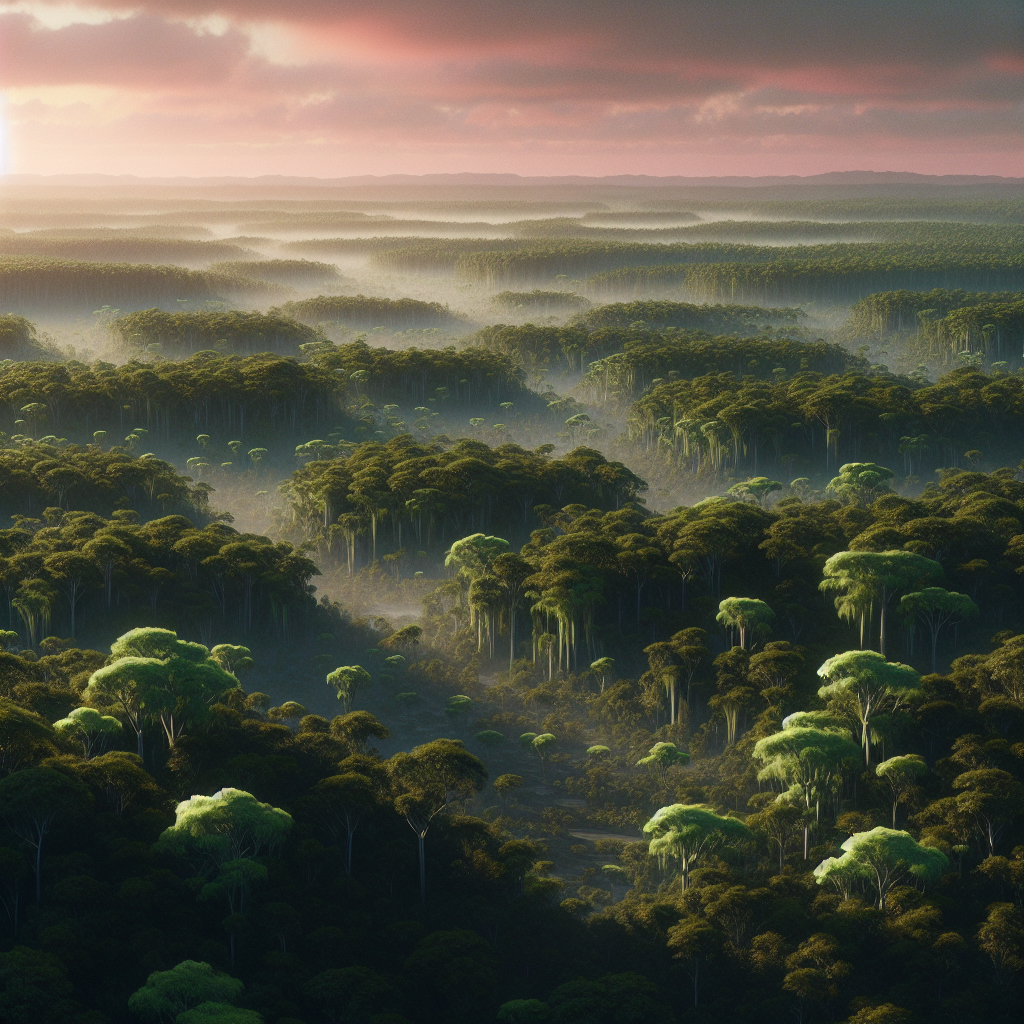

Imagine wandering through a landscape so varied and rich that it's like venturing into a living tapestry woven by nature herself. The Swan Coastal Plain Shrublands and Woodlands in Western Australia is exactly such a place, a mesmerizing stretch of biodiversity that dates back hundreds of thousands of years. This region is home to unique flora and fauna, and it's an essential element of Australia's ecological makeup, embodying why conservation of our natural landscapes is more critical than ever.
Breaking Down the Biodiversity
On the western edge of the Australian continent, the Swan Coastal Plain stretches between the Darling Scarp and the Indian Ocean, spanning from the Zuytdorp Cliffs to Dunsborough. This area has a Mediterranean climate with hot, dry summers and mild, wet winters, which significantly contribute to its incredible variety of plant and animal life. The region's biodiversity is expressed in two main types of vegetation: the shrublands and the woodlands.
The shrublands are dominated by low-lying vegetation, often including vividly colored wildflowers. Some of the most common plants include various Proteaceae species and members of the Myrtle family. Meanwhile, the woodlands feature taller Eucalyptus trees and banksias, which form a distinct canopy that provides shelter and food for countless wildlife species.
Ecological Significance
The Swan Coastal Plain is an ecological treasure chest because of its high endemism; many species found here exist nowhere else in the world. It's a critical habitat for multiple threatened species, including the Western Ringtail Possum and the Carnaby's Black Cockatoo. Understanding and protecting these habitats allow us to preserve not only the species that inhabit them but also the ecological processes they support.
The area plays a significant role in maintaining environmental stability by offering key ecosystem services such as carbon sequestration, water filtration, and soil preservation. These are essential functions that not only support the local environment but also contribute to the global fight against climate change.
Human Interaction and Conservation Efforts
Human activity poses one of the most significant threats to the integrity of these landscapes. Increasing urbanization, agriculture, and invasive species have led to habitat fragmentation and degradation. Yet, hope is not lost! Numerous conservation efforts are actively underway to protect and restore these vital ecosystems.
Organizations like the Perth Natural Resource Management and the Western Australian Government have enacted programs to eradicate invasive species, replant native vegetation, and restore natural waterways. On a community level, local conservation groups and volunteers play an essential role in monitoring biodiversity and advocating for sustainable practices.
How You Can Get Involved
Whether you're a lifelong resident of Western Australia or simply passing through, there's much you can do to contribute to the conservation of the Swan Coastal Plain. Joining local conservation groups, participating in habitat restoration projects, or even educating others about the importance of these landscapes can make a significant difference.
For globetrotters and nature enthusiasts, visiting the Swan Coastal Plain offers an unparalleled opportunity to witness one of Australia's unsung natural beauties. Walking tours and guided nature hikes are available for those wishing to explore these vibrant ecosystems more intimately. Each visit not only enriches your understanding of Earth's biodiversity but also aids in bolstering ecotourism, which can provide vital funding for further conservation efforts.
Future Prospects: A Blossoming Horizon
The future of the Swan Coastal Plain Shrublands and Woodlands depends heavily on continuous human action and awareness. As scientific research progresses, understanding the interdependencies within these ecosystems can stimulate more innovative conservation strategies. Optimistically, the collective efforts can ensure that these beautiful landscapes remain as pristine as possible for future generations.
The Swan Coastal Plain reminds us of nature's inherent value and the responsibility we bear in preserving such wonders. It's like being part of a privileged audience at a dynamic symphony, where each plant and animal plays its unique part in a harmonious whole. As we tread cautiously but optimistically into the future, may we always celebrate, understand, and protect the natural world that sustains us all.