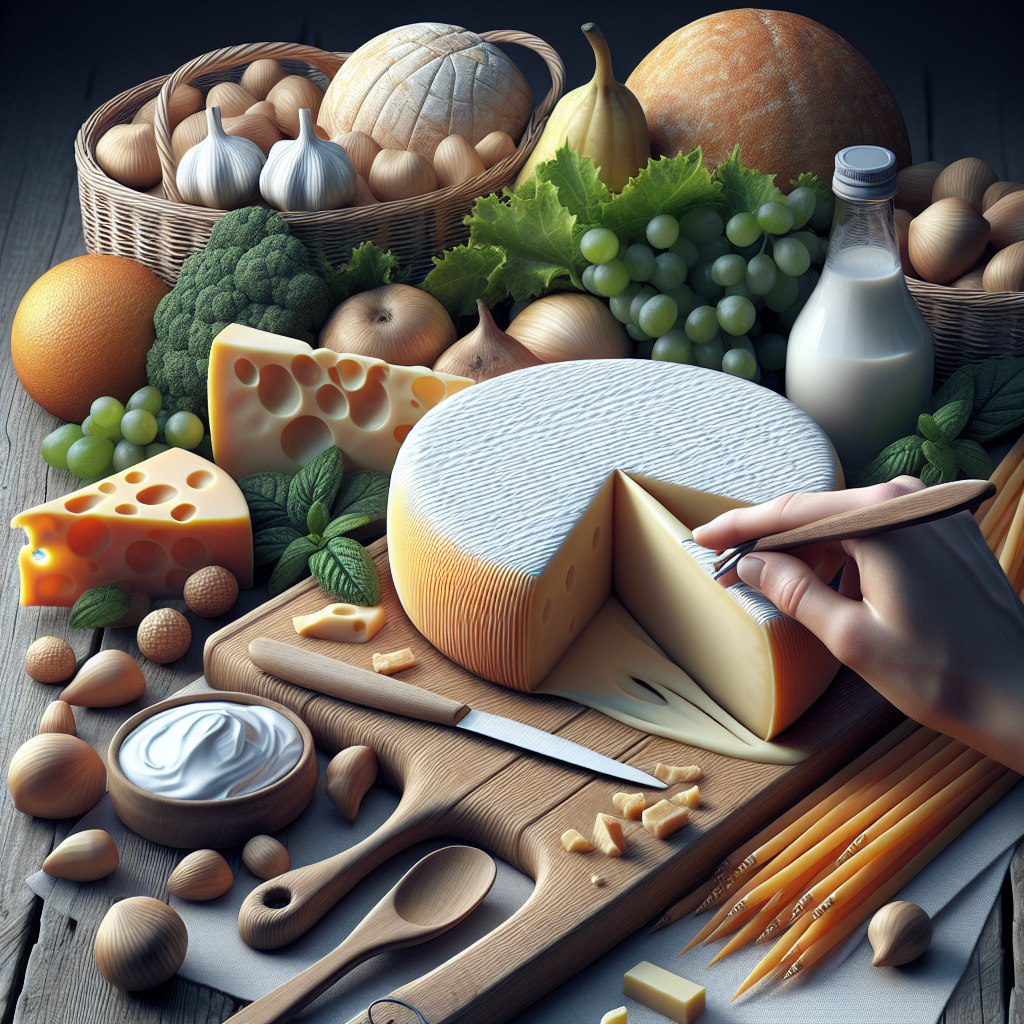

Stracciata: The Threads of Cheese and Culture Interwoven
Did you know there is a cheese that seems to dance in delicious shreds right in front of you? It's called Stracciata, an Italian specialty that has caught the fancy of many a cheese enthusiast. Originating in the regions of Molise and Puglia in Italy, Stracciata's story starts as far back as the early 20th century, combining the ancient art of cheesemaking with the innovative spirit of artisans seeking to create new textures and flavors. But what exactly is Stracciata, where does it come from, and why has it recently started to capture the imaginations of foodies around the world?
Stracciata is a fresh, soft cheese, part of the pasta filata family, much like mozzarella and burrata. The name 'Stracciata' comes from the Italian word 'stracciare', meaning 'to shred', aptly describing the cheese's unique appearance and texture. This cheese isn’t just any cheese; it exemplifies the grand tradition of Italian cheesemaking, which is renowned for simple ingredients transformed into culinary masterpieces. By using cow’s milk, cheesemakers apply a skillful process of heating, stretching, and tearing the curds to bring Stracciata to life.
The Birthplace of Stracciata: Molise and Puglia
Nestled in the regions of Molise and Puglia in Southern Italy, Stracciata is not merely food but a cultural artifact. These areas are known for their rich agricultural landscapes, teeming with olive groves and endless pastures, perfect for grazing cattle. The local production of Stracciata represented both innovation and a connection to the pastoral life that has shaped the culture and economy of these regions. Molise might be one of Italy’s smallest and least known regions, but it’s buzzing with traditional practices that form part of our global culinary heritage.
The cheese is typically made with the milk of local brown cows, which add a distinct richness to the fresh, creamy texture of Stracciata. This local resource highlights the interweaving of natural bounty and human creativity in the region's traditional practices. Traditional cheesemakers continue to craft Stracciata with a passion that has been passed down through generations, ensuring each batch is not only fresh but resonates with authenticity.
The Science of Stracciata: Transformation of Milk
What happens in the cheesemaking process might as well be magic! But of course, it’s not magic—it’s science. Milk, the base ingredient, is transformed from a liquid into this wonderful, soft cheese through coagulation, a process that changes the milk’s proteins into curds. This transformation is initiated with rennet, an enzyme that helps the milk solidify.
Once the curds form, they are heated and then stretched, a feat that showcases the physical transformation into the ultimate pliable strands. This process, known in Italian as filatura, must be done at precise temperatures to achieve the signature texture of Stracciata. The cheese curds are kneaded like dough and then pulled out to form flat, thin layers, which are then folded to create the final striated appearance.
Stracciata's Growing Global Popularity and Usage
In recent years, Stracciata has made its way into upscale restaurants and gourmet cheese shops around the world. Its versatility is a huge draw— Stracciata can complement a variety of dishes due to its mild yet rich flavor. From a pizza topping to a sumptuous addition in lasagna, or even as a star ingredient in fresh salads, the possibilities are deliciously endless. Particularly in the US, where the demand for specialty cheeses is on the rise, Stracciata represents the ability of unique ingredients to delight and surprise culinary creatives.
Chefs and home cooks alike are embracing Stracciata’s creamy finish and subtle tang, enhancing the flavors of fresh, seasonal ingredients. Imagine a dollop of Stracciata melted over a perfectly grilled slice of asparagus, or mingling gracefully with a ripe, juicy heirloom tomato. There are few combinations more fitting than pairing fresh Stracciata with ripe figs or prosciutto, which highlights its ability to both stand alone or harmonize with other flavors.
Why Cheese from Tradition Matters
Why does Stracciata, and traditional cheeses like it, matter in today’s world? The importance of traditional foods cannot be overstated—they connect us across generations and geography through shared tastes and stories. In an era where food production often puts speed over tradition, Stracciata represents a bridge back to the earnest joy of culinary craftsmanship.
The revival and appreciation of such cheeses also play crucial roles in supporting local economies and preserving cultural heritage. When we buy Stracciata, we’re not just purchasing cheese; we’re participating in a legacy that ensures the art of cheesemaking continues for future generations.
How to Enjoy Stracciata at Home
Preparing Stracciata at home or using it as a key ingredient need not be intricate or overwhelming. Start by sourcing it from a quality local cheese shop or deli—many markets now carry fresh Stracciata due to its growing demand. Once in your kitchen, embrace its simplicity! Simply pairing it with fresh bread or crackers is delightful.
For something more adventurous, consider assembling a salad of peperonata, olives, and Stracciata, drizzled with a touch of extra virgin olive oil. Or indulge in the spirit of Italy by layering Stracciata on fresh, rustic pizzas with just a sprinkle of basil. With each bite of Stracciata, you’re savoring not only a taste but also a portion of history, a culture of meticulous craftsmanship, and a promise of joy shared since its inception.