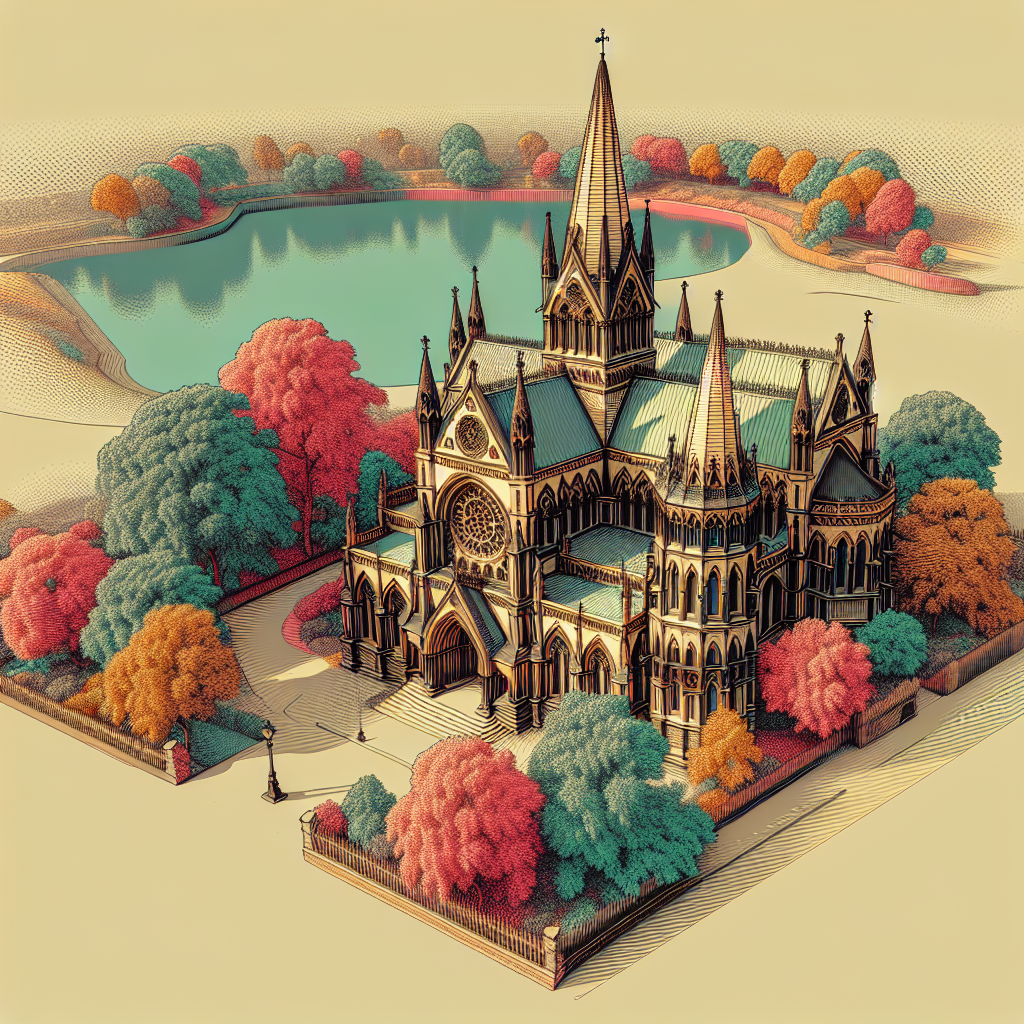

St. Alban's Church: Where Gothic Revival Meets Danish Charm
In the heart of Copenhagen, where bicycles outnumber cars and the smell of freshly baked pastries wafts through cobblestone streets, stands an enchanting marvel of neo-Gothic architecture—St. Alban's Church. Established in 1887, it was the brainchild of British designer Arthur Blomfield and the result of Queen Alexandra's vision to create an Anglican church for the British expatriates in Denmark's capital. Nestled in the idyllic Langelinie Park, it offers a dash of traditional English spirituality amid Copenhagen’s modernity. But what makes this church so quintessentially spectacular? Let me take you on a delightful journey through its history, architecture, and enduring legacy.
The Story Behind the Spire
St. Alban's Church is more than just a place of worship; it’s a testament to the deep-seated ties between Britain and Denmark. The church is named after St. Alban, recognized as the first martyr of England, whose courage and faith earned him sainthood. The Anglican congregation in Copenhagen was given the land for the church by the Danish government, ceremoniously strengthening the bond between the two nations. Blomfield, already a famed Gothic Revival architect, was commissioned to create a piece of England far from its shores, and what he created continues to catapult imaginations to English countryside churches.
Architecturally, St. Alban's Church is a tour de force of the Gothic Revival style—sharp steeples stretch toward the sky, giving the church its distinctive look. Constructed primarily with flint stone imported from England, the church embodies an authentic English charm, while its use of limestone and marble seamlessly blend with Copenhagen's aesthetic tapestry. The windows boast intricate stained-glass art, shining like kaleidoscopic gems and narrating biblical tales with a luminescent beauty. Each element was meticulously chosen, telling not just the story of faith, but one of artistic passion and cross-cultural appreciation.
A Scene from a Fairy Tale
Visiting St. Alban's feels like stepping into a page of a fairy tale, where the lush greenery of the surrounding park and the shimmering waters of the nearby Gefion Fountain frame its austere beauty. The church is notably surrounded by some of Copenhagen’s most iconic landmarks, including the historical Kastellet Fortress and the stately Little Mermaid statue. This picturesque setting is not only pleasing to the eyes but also serves as a serene escape from the bustling city life.
Inside, the ambiance of warmth and authenticity pervades. Wooden pews under vaulted ceilings encourage visitors to sit and marvel or perhaps reflect in quiet contemplation. It's a place where one can momentarily pause the rapid pace of modern life, soaking in the medley of history, architecture, and faith. It is, quite simply, an oasis for the mind and soul.
A Confluence of Faiths
While St. Alban's is quintessentially Anglican, its doors have always been open to all, reflecting Copenhagen's inclusive spirit. It regularly hosts services in English, bringing together local residents and tourists from all over the world to foster a sense of community and shared values. Throughout the years, it has been a stage for myriad cultural and musical events that resonate with the church’s historical and cultural significance.
The church also affirms the intertwining relationship between architecture and science. Every stone and buttress adheres to the structural rigors of physics, balancing aesthetics with functionality. Learning about these details is akin to deciphering a fascinating riddle of historical science—one that doesn’t just reveal how buildings stand tall, but also how they stand the test of time.
A Future Rooted in Tradition
The world is constantly changing, yet places like St. Alban's provide an anchor to our collective past. They remind us of the enduring human spirit, capable of creating beauty and fostering peace across borders. As Copenhagen evolves, this church remains a cherished vestige, symbolizing resilience and unity.
For the inquisitive minds out there, St. Alban's Church is not just an architectural marvel but a nucleus of cultural learning waiting to be explored. It stands as a reminder of the potential harmony between tradition and modernity—an optimistic symbol that beckons an ongoing dialogue between past and future, art and faith.
When you find yourself in Copenhagen, let the streets lead you to St. Alban's Church, where the stories are as rich as the views are captivating. On site, whether you're an architect fan, a history lover, or someone seeking solace, remember that every angle of the church offers a lesson on humanity—how, at its best, it can bring people together, shaping a landscape where everyone can find a piece of themselves.