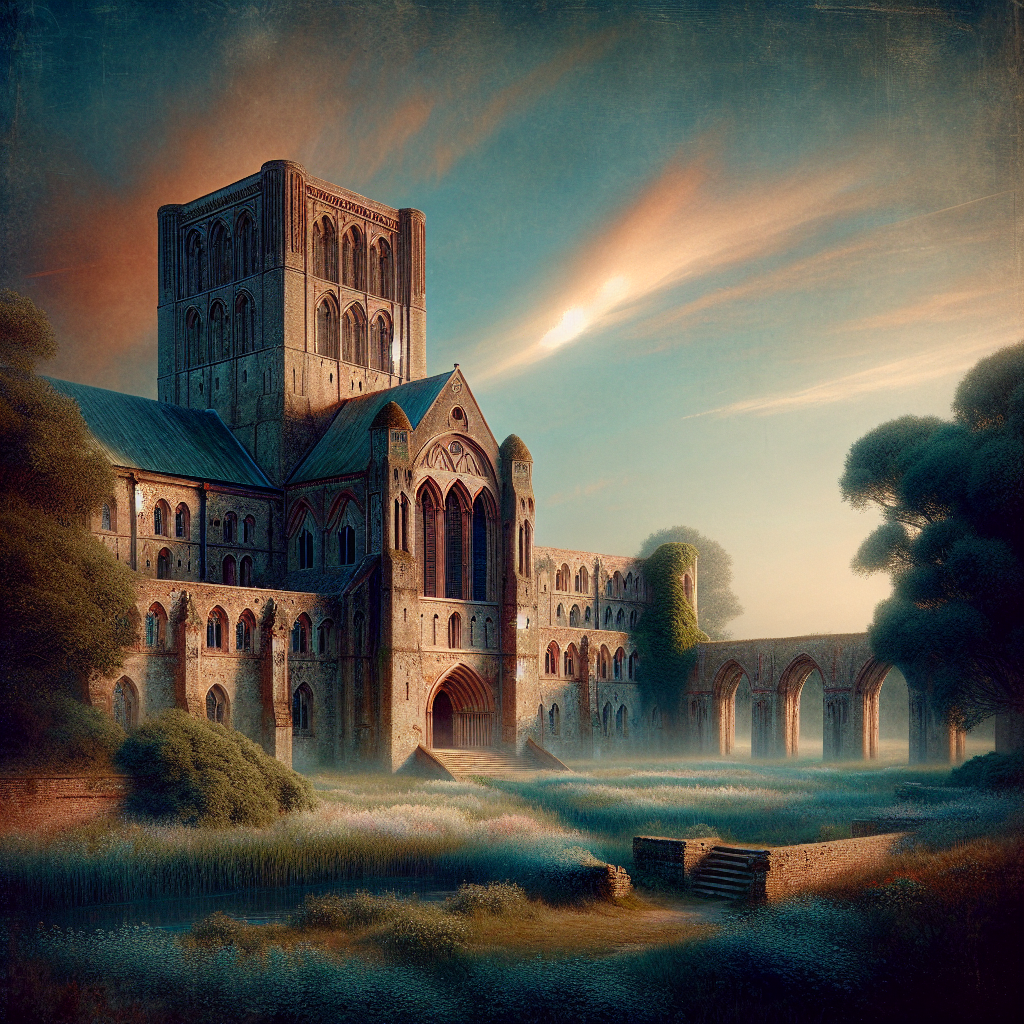

Discovering the Mysteries of St Olaves Priory in Herringfleet
Imagine stepping back in time to the 13th century, where the air is filled with the whispers of monks and the scent of ancient stone. St Olaves Priory, located in the quaint village of Herringfleet in Suffolk, England, is a historical gem that offers just that experience. Founded in 1230 by Roger FitzOsbert, this Augustinian priory was a place of religious devotion and community life until its dissolution in 1537 during the reign of King Henry VIII. The priory's ruins, nestled in the serene English countryside, provide a fascinating glimpse into medieval monastic life and the architectural prowess of the time.
St Olaves Priory was established as a religious house for the Augustinian canons, a group of clergy who lived communally under a rule but were not monks. The priory was dedicated to St Olav, a Norwegian king who became a saint, reflecting the cultural and religious connections of the period. The site was strategically chosen near the River Waveney, which provided both a water source and a means of transportation, crucial for the priory's self-sufficiency and trade.
The priory's architecture is a testament to the skill and artistry of medieval builders. Visitors today can explore the remnants of the church, cloisters, and domestic buildings, which showcase the use of flint and stone in construction. The surviving structures, though weathered by time, still convey the grandeur and spiritual significance of the priory. The site is managed by English Heritage, ensuring its preservation for future generations to appreciate and learn from.
St Olaves Priory played a significant role in the local community, serving as a center for worship, education, and charity. The canons were involved in agricultural activities, managing lands and resources that supported both the priory and the surrounding populace. The dissolution of the priory in the 16th century marked the end of an era, as the English Reformation led to the closure of many monastic institutions across the country.
Today, St Olaves Priory stands as a captivating historical site, inviting visitors to explore its past and imagine the lives of those who once walked its grounds. Its enduring legacy is a reminder of the rich tapestry of history that shapes our present and inspires our future. Whether you're a history enthusiast, an architecture lover, or simply seeking a peaceful retreat, St Olaves Priory offers a unique journey through time.