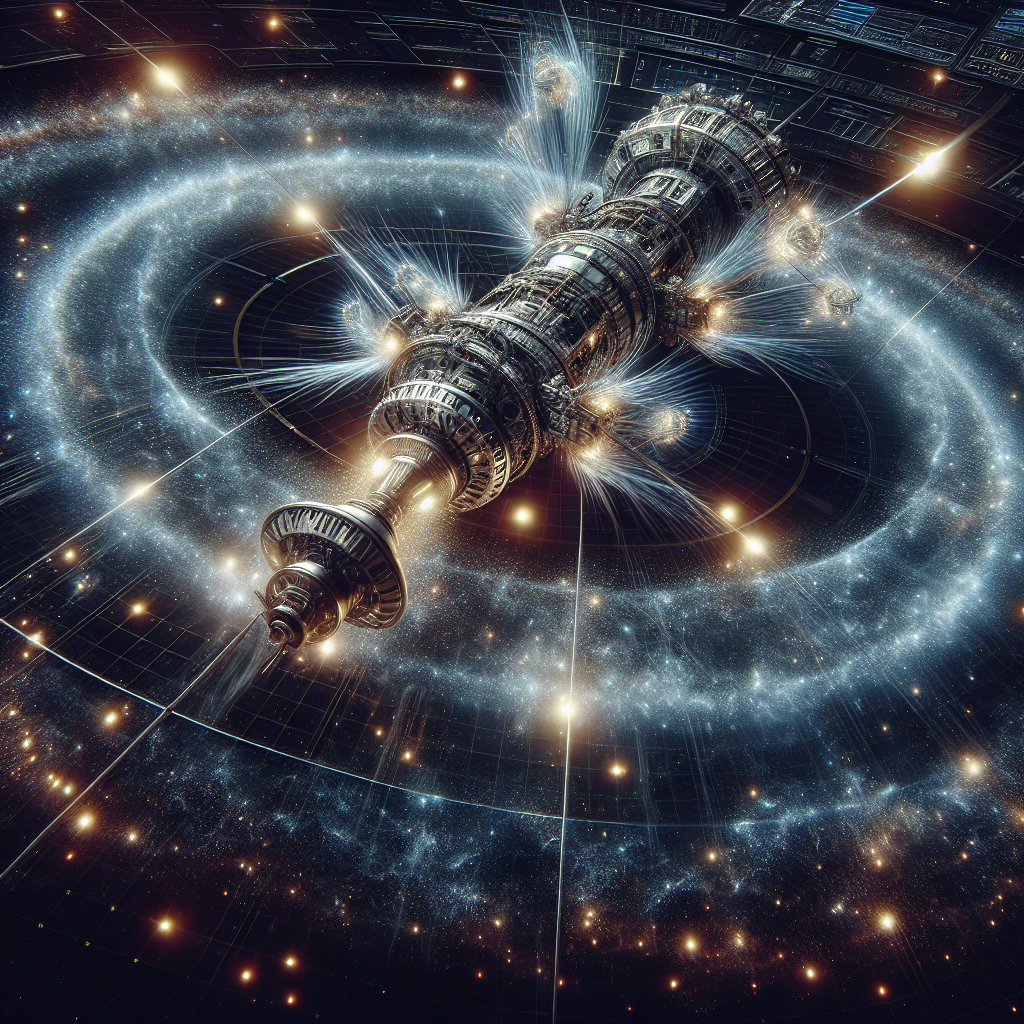

The Electrifying Future of Space Travel: Spacecraft Electric Propulsion
Imagine a future where spacecraft glide through the cosmos with the elegance of a swan on a serene lake, powered by the invisible force of electricity. This is not science fiction; it's the reality of spacecraft electric propulsion, a technology that is revolutionizing how we explore the universe. Developed by brilliant minds like Robert Goddard and Konstantin Tsiolkovsky, electric propulsion systems have been in the works since the early 20th century. Today, they are being utilized by space agencies like NASA and ESA to power missions to distant planets and beyond.
Electric propulsion is a method of propelling spacecraft using electrical energy to accelerate propellant to high speeds. Unlike traditional chemical rockets, which rely on explosive reactions to generate thrust, electric propulsion systems use electricity to ionize a propellant, such as xenon gas, and then accelerate the ions using electric or magnetic fields. This process is incredibly efficient, allowing spacecraft to achieve higher speeds over longer periods, making it ideal for deep-space missions.
The first successful use of electric propulsion in space occurred in the 1960s with the Soviet spacecraft, Zond 2, which used an ion thruster. Since then, the technology has evolved significantly, with modern examples including NASA's Dawn spacecraft, which explored the asteroid belt, and the European Space Agency's BepiColombo mission to Mercury. These missions demonstrate the practical applications of electric propulsion, showcasing its ability to extend mission lifespans and reduce fuel requirements.
The reason electric propulsion is so exciting is its potential to transform space exploration. By providing a more efficient means of travel, it opens up possibilities for longer missions, such as journeys to Mars or even the outer planets. Additionally, the reduced fuel requirements mean that spacecraft can carry more scientific instruments, enhancing our ability to gather data and make new discoveries.
In summary, spacecraft electric propulsion is a game-changing technology that is propelling humanity into a new era of space exploration. With its ability to provide efficient, long-duration thrust, it is paving the way for missions that were once thought impossible. As we continue to push the boundaries of what is possible, electric propulsion will undoubtedly play a crucial role in our quest to explore the final frontier.