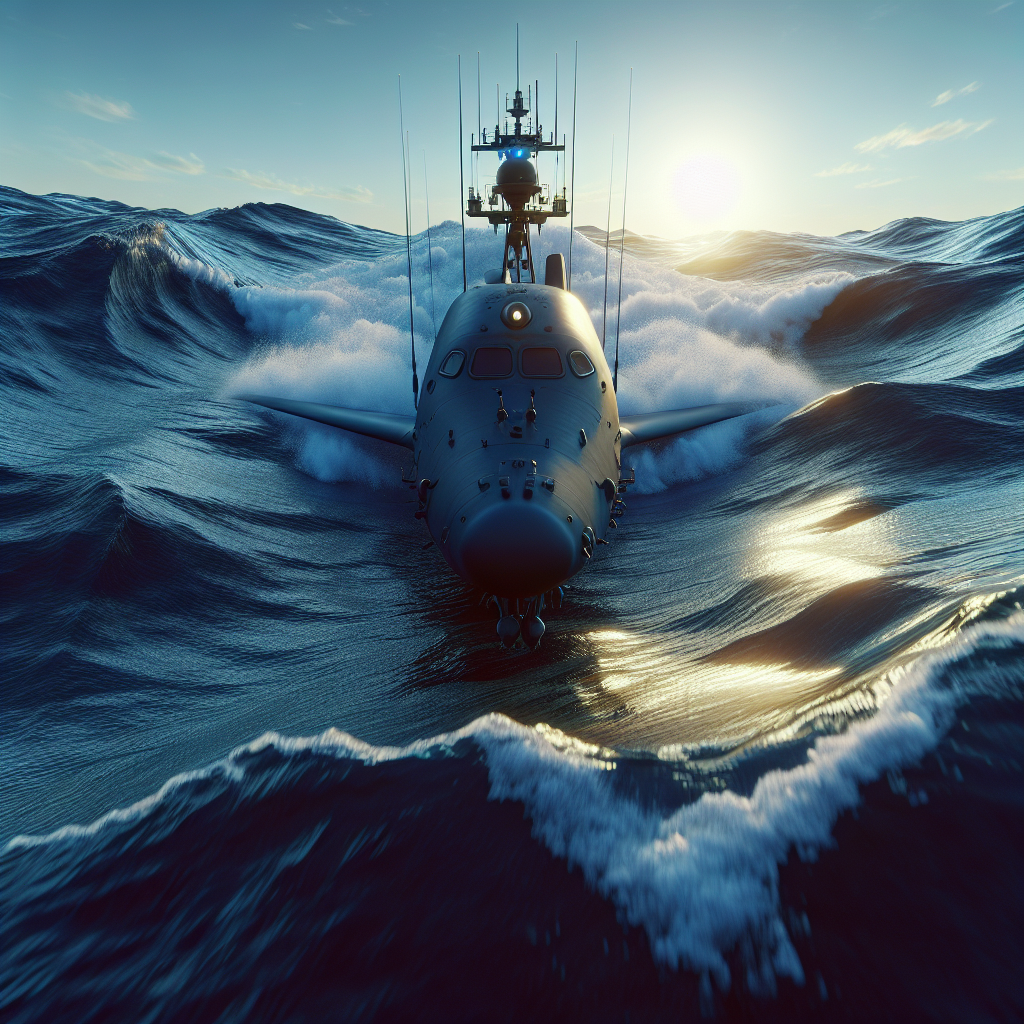

Beneath the Waves: The Story of SM UB-42
Prepare to dive into the intriguing world of wartime naval history as we explore the fascinating journey of SM UB-42, a German submarine that played its part beneath the oceans during the First World War. Built for the Imperial German Navy, the submarine was launched in 1916, a period rife with maritime innovation and tension. Stationed primarily in the Mediterranean Sea, UB-42 became emblematic of Germany's strategic undersea campaign, which aimed to disrupt enemy supply routes during the war.
Submarines like SM UB-42 were pivotal in shifting naval warfare tactics at the time. They offered a stealthy alternative to surface ships, being small, maneuverable, and elusive. These submersibles' capability to attack without warning introduced a whole new level of psychological and physical warfare. But how did this particular submarine contribute to the war effort, and what made it stand out?
SM UB-42 was a Type UB II submarine—a class known for its moderate size and range, which made it perfect for operations in the more confined and strategically important Mediterranean waters. Commissioned on December 11, 1916, this stout vessel was part of the German Empire’s U-boat campaign, a monumental naval strategy aimed at blockading the Allied powers and cutting off their supply routes.
Design and Construction
The birth of SM UB-42 was a testament to German engineering prowess of the time. With a displacement of 274 tons when submerged and a length of around 36 meters, UB-42 was neither the largest nor the most formidable submarine, but it was certainly efficient. Its compact design allowed it to traverse difficult waters swiftly and survive in hostile environments. It carried two torpedo tubes equipped with four torpedoes and was supplemented by an 8.8 cm deck gun, providing versatility in its engagements.
Its construction involved high-grade steel and innovative design principles that made it robust enough to withstand the pressures of deep-sea operations. The propulsion system of UB-42 included both diesel engines for surface travel and electric motors for when it submerged, showing a dual-natured engineering brilliance that was quite advanced for its time.
Deployment and Operational History
The operation of SM UB-42 underlined the disruptive nature of U-boats during this era. After her commissioning, she was primarily deployed in the Mediterranean and aimed at targeting the Allied maritime trade routes. UB-42's journey through the war was one of stealth and surprise, characteristics complemented by the cunning strategies often attributed to U-boat operations.
One of the cornerstone events in UB-42’s service was its operations against vital supply convoys. Its mission was to interrupt and thereby weaken the enemy’s supply chain, pressuring their military operations indirectly but significantly. The Mediterranean Sea, with its myriad of strategic trade routes, was a crucial theater for U-boat operations, and UB-42 was a silent player in its expansive chessboard.
Life Aboard a Submarine
The life of a submariner aboard the SM UB-42 was, quite literally, an experience lived mostly under the surface. Cramped quarters, the constant hum of the engines, and long stretches spent beneath the waves, away from sunlight, made for a stark life. It's a fascinating testament to human tenacity under pressure—both literal and figurative. The crew needed to be adept at handling stress and capable of performing routine tasks with high levels of precision in challenging conditions.
Fate and Legacy
SM UB-42 met an unremarkable end compared to its illustrious service through the war. Post-Armistice, as per the Treaty of Versailles, Germany was required to surrender its U-boat fleet. UB-42 was formally surrendered to the Allied forces in 1918 and was eventually dismantled in 1919 in Rochester, Kent, a fate that befell many of her kind.
However, her legacy lives on as a part of naval history, marking important tactical developments in underwater warfare. These submarines highlighted the necessity for new techniques in naval defense and convoy strategies, influencing post-war military doctrines worldwide.
The Human Element
Beyond the steel and rivets, it’s the human stories aboard vessels like UB-42 that truly captivate our imaginations. The courage, the camaraderie, and the unyielding resolve of the crew highlight the perseverance of the human spirit in the face of adversity. It’s these stories that remind us of the tremendous endurance and valiance of those who served aboard these underwater fortresses.
Conclusion
Exploring the narrative of SM UB-42 offers both an understanding of wartime innovation and a human perspective—a tale of ingenuity and endurance that complements the broader history of human conflict and discovery. It serves as a scene in the theater of naval warfare that continually shapes innovations and tactics today. The legacy of submarines like UB-42 enriches our appreciation for the complex tapestries of world history, reminding us of humanity's continuous quest for mastery over the sea's expansive, often unfathomable depths.