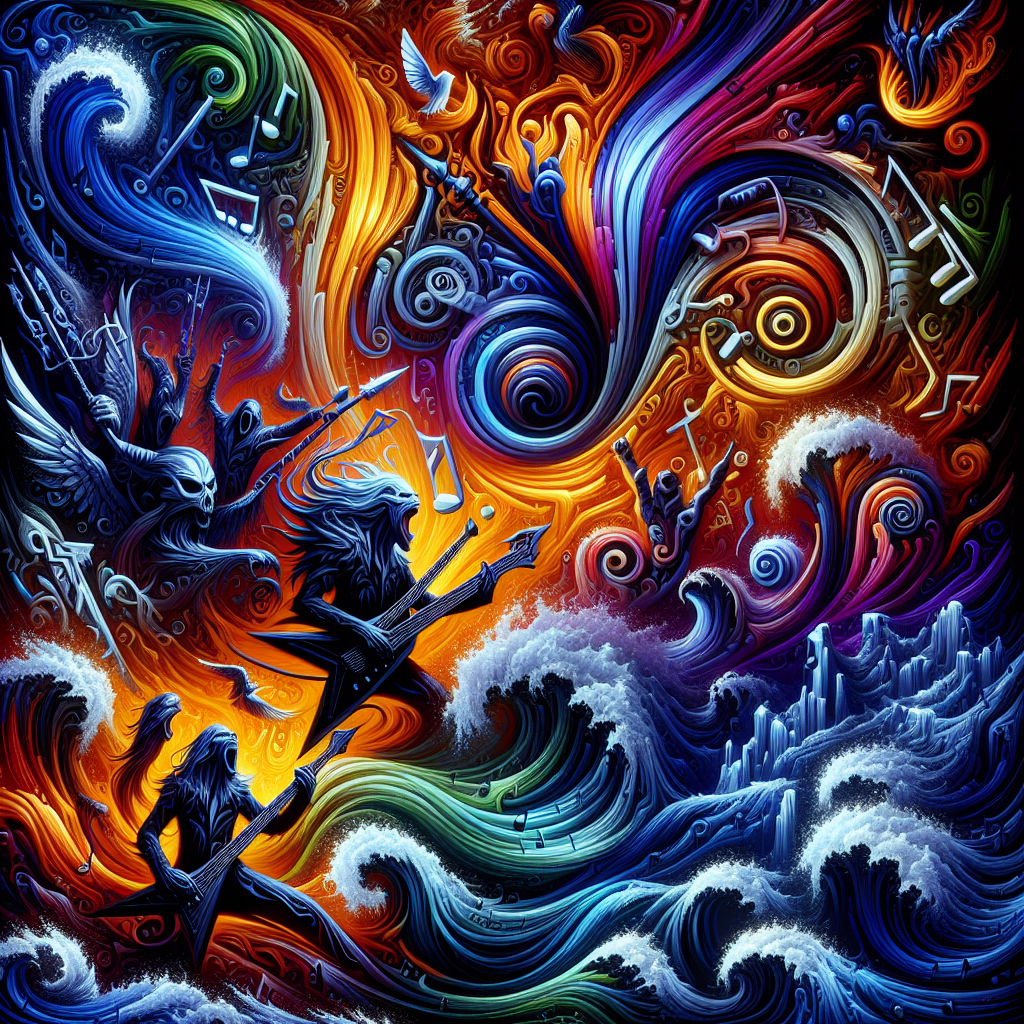

Satyricon: A Journey Into the Heart of Darkness
Who would have imagined that the icy landscapes of Norway could give birth to one of the most influential bands in the black metal genre? Since their formation in 1991, Satyricon has become a keystone in the architecture of extreme music. Originating from Oslo, Norway, Satyricon has persistently evolved under the guidance of their core members, Sigurd “Satyr” Wongraven and Kjetil “Frost” Haraldstad, bringing a sophisticated and artistic twist to a genre often cloaked in mystery. In the tempestuous sea of heavy music, Satyricon stands as a beacon, drawing listeners into their dark, yet brilliantly inventive world.
The Roots of Satyricon's Dark Symphony
Black metal, born in the cold climes of Scandinavia, has always been shrouded in the elusive mystery of the grim forests and ancient Norse legends. Satyricon, however, emerged with a unique vision in the early '90s. They stepped onto the scene with their debut album, Dark Medieval Times, in 1993. This release was a perfect concoction of traditional black metal features, including shrill vocals and blast beats, but added a layer of medieval pastiche that set them apart. Satyr’s artistic direction and Frost's drumming wizardry forged a new pathway, connecting the past with the present, and engaging listeners with a sound that was both raw and grandiose.
Evolution and Revolution
Satyricon never shied away from experimenting with their sound, often incorporating elements from other rock and metal genres while maintaining their core identity. Their third album, Nemesis Divina, released in 1996, became a landmark not only for the band but for black metal as a whole. Songs like "Mother North" transcended the cult status and brought the genre closer to mainstream recognition without compromising its integrity and depth. Following this, Satyricon embraced the evolving nature of metal by opting for a cleaner production approach with the album Volcano in 2002, signaling their willingness to innovate.
Beyond Blast Beats: A Fusion of Style and Substance
Satyricon’s willingness to push boundaries is evident in their progression towards a more streamlined and concentrated sound, especially noticeable in later albums like The Age of Nero and Satyricon. With these releases, the band honed their ability to wield powerful riffs and create atmospheric soundscapes that captured the imagination. They bravely blended the cold aggression of black metal with groove-laden songwriting, and the results were universally acclaimed. Their commitment to melding heavy music with intricate melody allowed them to redefine what black metal could express.
A Legacy of Iconoclasm
Besides their impressive discography, Satyricon influenced many other bands and extended their impact beyond music to the cultural landscape within their genre. The band’s artistry has even led them to collaborate with the Munch Museum in Oslo, presenting an art exhibition that paired their music with the works of the legendary painter Edvard Munch. This innovative combination of visual art with music highlights Satyricon’s broader cultural relevance and their mission to integrate black metal into domains beyond conventional limits.
Humanity in the Heart of Darkness
Satyricon's story is a testament to the infinite possibilities of creativity and the human condition. Their exploration of themes such as nature, the cosmos, and existential anguish are deeply powerful because they resonate with our shared experiences and existential inquiries. What began as a response to the bleak narratives of black metal has grown into a profound discourse on human emotions, encouraging us to peer into the depths of our souls.
Reflections on the Journey
Embracing an optimistic perspective requires persistence, courage, and vision. Satyricon's journey stands as a beacon of such virtues. They dared to break free from the icy grip of conformity by embracing change and leading their listeners into uncharted territories of sound and imagination. Yet, most importantly, Satyricon invigorates our appreciation of music as a universal force that challenges and unites us. Their continuous evolution and dedication to their craft deliver the message that within the uncharted territories of art and sound, there remains an abundance of mysteries to explore—and triumphs to reach.