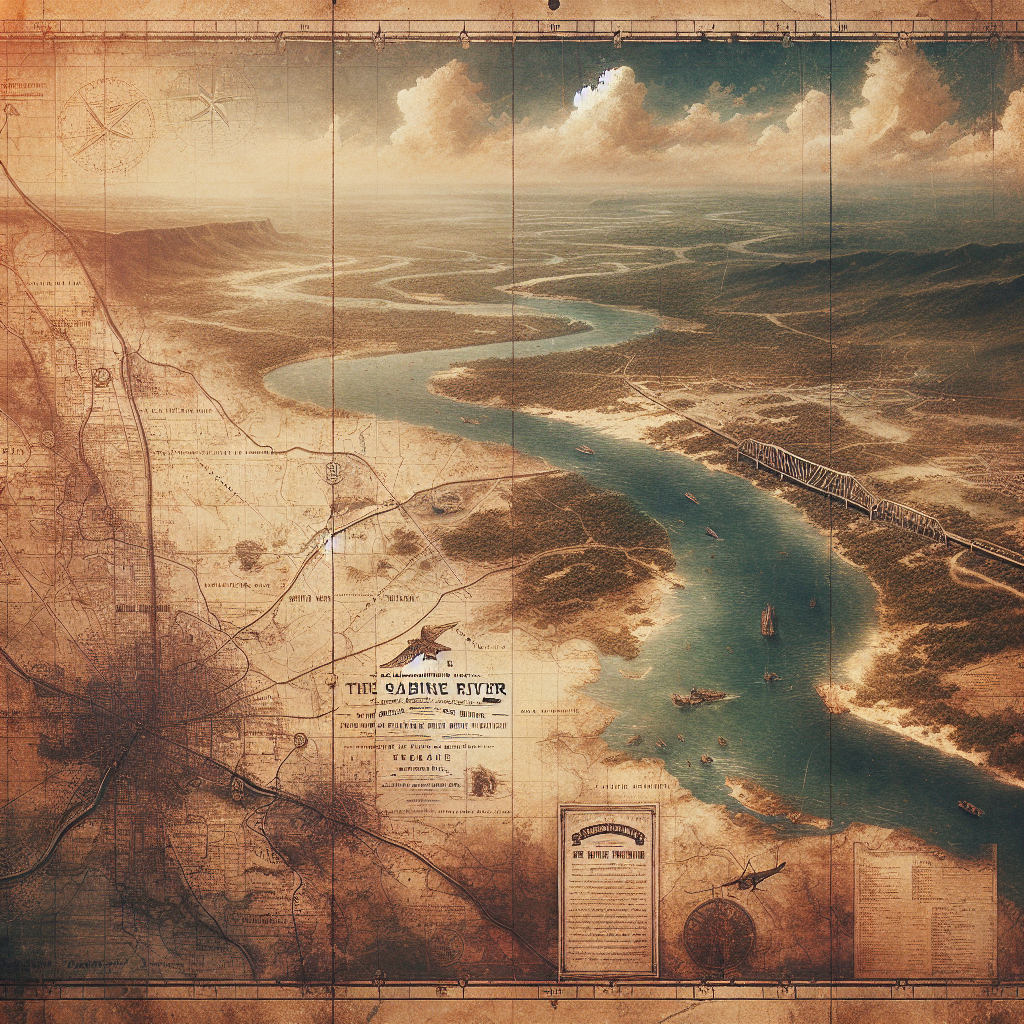

The Sabine River: An Unseen Wonder of the American South
Imagine a river that acts as a prominent geographical boundary, serves as a historical witness, and is a modern-day source of life for communities. This is the story of the Sabine River, a waterway whose significance flows far beyond its banks. Winding its way through Texas and Louisiana, the Sabine River springs to life in the piney woods of Northeast Texas before journeying 510 miles to the Gulf of Mexico. But what makes this river so essential to Texas and Louisiana, and why is it catching the attention of ecologists, historians, and adventurers alike?
A River of Rich History
The Sabine River's history is as winding as the river itself. For thousands of years, Indigenous peoples like the Caddo thrived along its waters, utilizing the river's bounty for sustenance and transportation. When Spanish explorers first set eyes on the Sabine in the 18th century, they named it after the fragrant cypress trees that adorned its banks, 'Sabinas.' Over time, the river became a crucial boundary in the geopolitical landscape—first between French Louisiana and Spanish Texas and later as the border between the U.S. states of Texas and Louisiana. Today, the Sabine continues to serve as a reminder of the cultural, historical, and political forces that have shaped the region.
Flow of Nature: Ecology and Environment
Describing the Sabine River as merely a state boundary would be to see only the surface. This river is a critical lifeline that supports a diverse ecosystem. The lush Sabine National Forest surrounding portions of the river is a biodiverse haven, sheltering species ranging from migratory birds to the unique bog turtles. The river's floodplains are vibrant wetlands with dynamic environments crucial for species survival and carbon sequestration.
The Sabine's waters are not just wild wonderlands but are vital for human activities too. They feed into major reservoirs, like the Toledo Bend Reservoir—the largest man-made body of water in the southern United States, offering a bounty of recreational opportunities and supporting local economies through activities like fishing and boating.
Urban Influence and Economic Significance
The river might be a natural marvel, but its influence reaches far into urban landscapes. The Sabine River Authority, established in 1949, manages water resources to support the municipal and industrial demands of surrounding regions. The hydraulic dynamic of the river necessitates a delicate balance between industrial use and ecological conservation—a dance that has significant implications for water quality and availability.
Challenges arise in managing these resources effectively. Efforts to ensure sustainable water management highlight innovative partnerships and evolving tactics. From flood mitigation programs to discussions about cross-border water sharing, the Sabine’s influence reminds us that water policy is as fluid as the water itself.
An Adventure Waiting to Happen
For explorers and adventure enthusiasts, the Sabine River offers compelling avenues for discovery. Whether kayaking through tranquil stretches or hiking along its vibrant ecosystems, there’s a piece of the Sabine for everyone thirsting for outdoor excitement. The surrounding landscapes create the perfect backdrop, not unlike scenes from a Mark Twain novel.
Fishing, particularly for bass, is a cherished pastime along its waters, bringing together communities in shared joy and competition. And for those keen on making a splash, festivals and events downriver celebrate the river’s cultural and social significance, offering immersive experiences to visitors and locals alike.
A Shared Future
The Sabine River's role in shaping its surrounding environment remains both timeless and ever-evolving. As we look ahead, the river's future will be shaped by human stewardship and nature's resilience, testing our capacity for sustainable coexistence. Projects focusing on habitat restoration, pollution reduction, and community engagement aim to preserve the river's vitality. With emerging technologies and a growing cultural appreciation for ecological welfare, the Sabine River stands as a testament to humanity's dedication to environmental stewardship.
The Sabine River provides us not just with necessities or recreation, but with a profound lesson: rivers, like human stories, are defined by their flow, their challenges, and their potential. Each bend in the Sabine reminds us that the path to progress is often not a straight line, but a majestic meander.