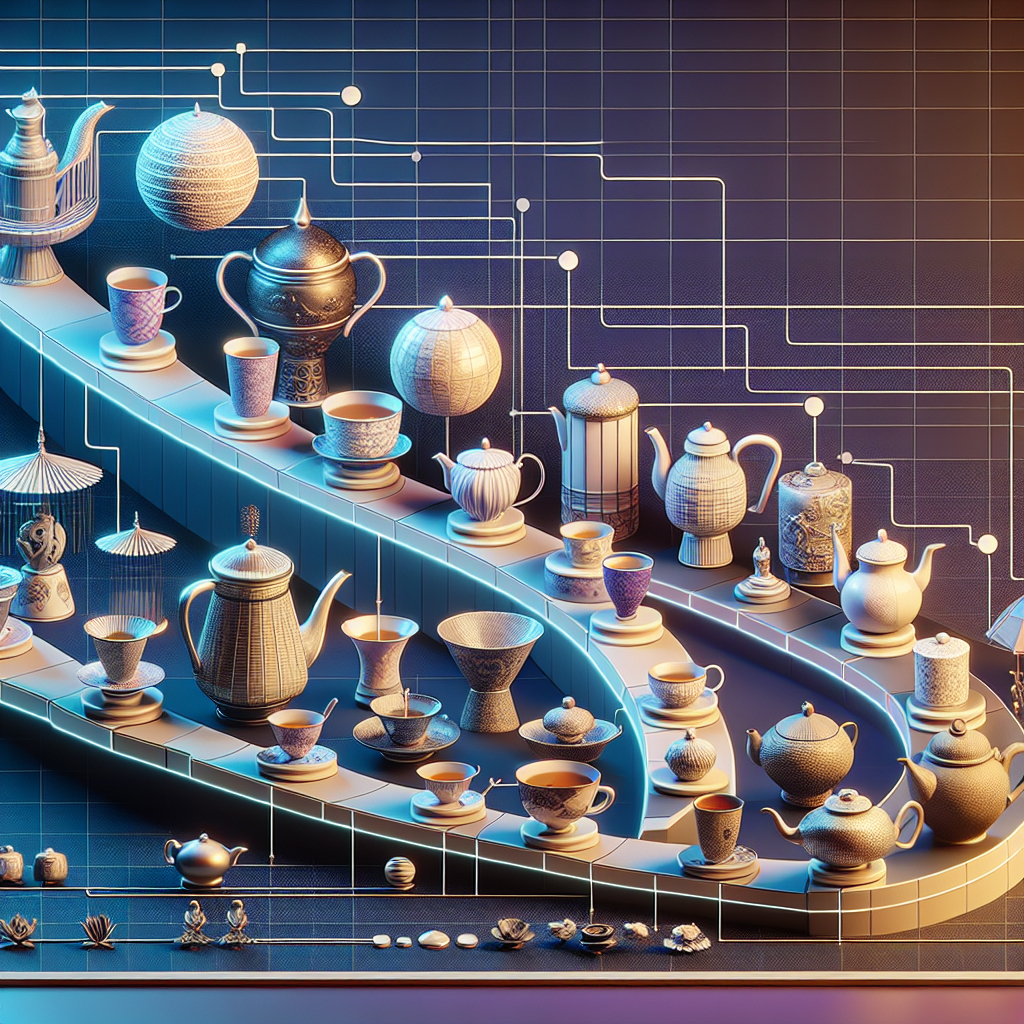

The Royal Tea: A Sip Through History
Imagine sipping a cup of tea that has been steeped in centuries of tradition, diplomacy, and elegance! The concept of "Royal Tea" is not just about a beverage but a fascinating journey through time, involving monarchs, empires, and cultural exchanges. The tradition of royal tea ceremonies can be traced back to the 17th century when tea was first introduced to European royalty. It was during the reign of King Charles II and his Portuguese bride, Catherine of Braganza, in England, where tea became a fashionable drink among the aristocracy. The royal court, with its penchant for luxury and refinement, embraced tea as a symbol of sophistication and status.
The "who" of royal tea includes not only the British monarchy but also other European and Asian royal families who have adopted and adapted tea ceremonies to fit their cultural contexts. The "what" is the tea itself, often of the finest quality, served with an array of delicate pastries and finger sandwiches. The "when" spans from the 17th century to the present day, with royal tea parties still being a cherished tradition. The "where" is as diverse as the palaces and gardens of Europe to the serene tea houses of Japan. The "why" is rooted in the social and political significance of tea, which served as a tool for diplomacy, a marker of social status, and a delightful pastime.
Tea's journey from the East to the West is a tale of exploration and trade. Initially, tea was a rare and expensive commodity, imported from China and later India, making it a luxury item reserved for the elite. The British East India Company played a pivotal role in popularizing tea in Europe, and it wasn't long before it became a staple in royal households. The ritual of afternoon tea, popularized by Anna, the Duchess of Bedford, in the 19th century, further cemented tea's place in British culture.
Royal tea ceremonies are not just about the drink but also about the experience. They are meticulously planned events, often held in opulent settings with fine china, silverware, and floral arrangements. The etiquette surrounding royal tea is as important as the tea itself, with specific rules on how to pour, stir, and sip. These ceremonies have also been occasions for political discussions, alliances, and even peace treaties, highlighting tea's role as a unifying force.
Today, the tradition of royal tea continues to captivate people around the world. Whether it's the grandeur of a state banquet or the simplicity of a garden party, royal tea remains a symbol of elegance and hospitality. It is a reminder of the rich history and cultural significance that a simple cup of tea can hold, connecting us to a legacy of tradition and refinement. So, next time you enjoy a cup of tea, remember that you're partaking in a ritual that has been cherished by kings and queens for centuries!