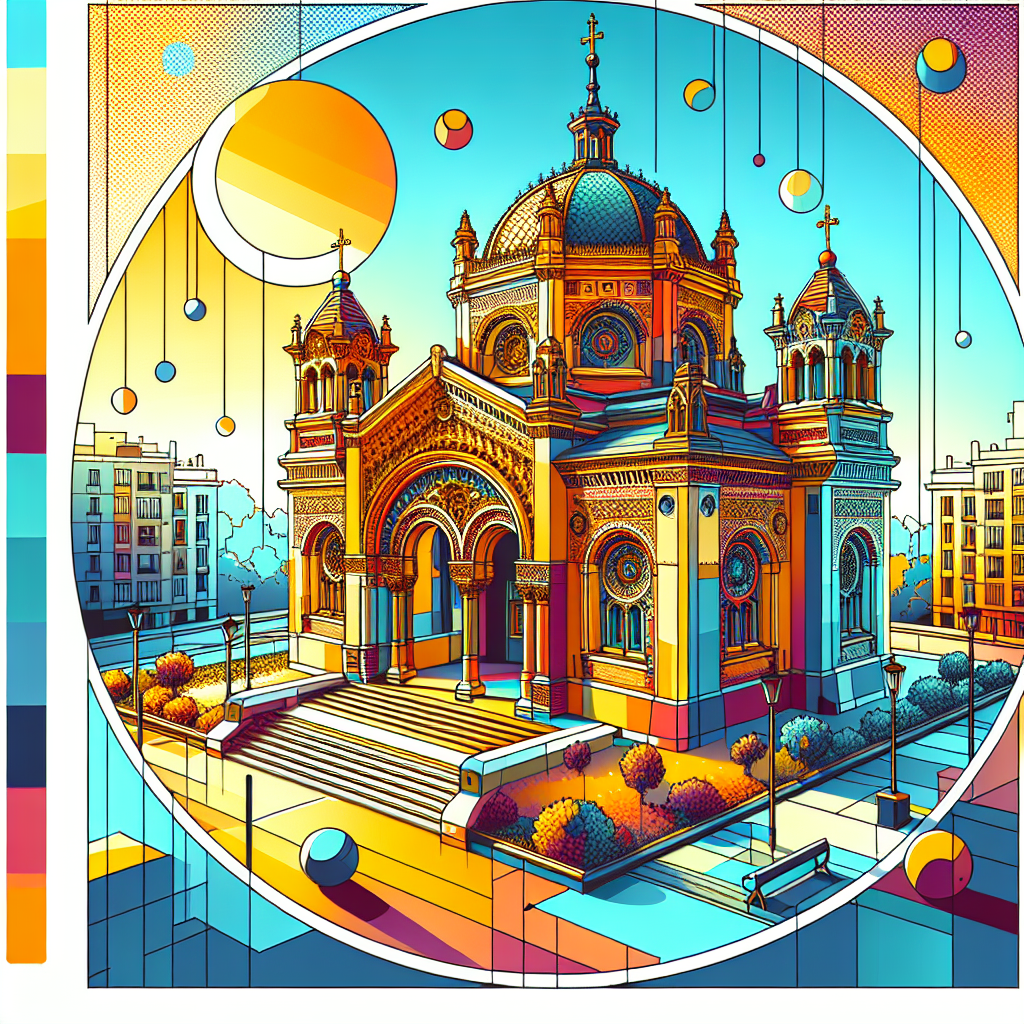

Nestled in the vibrant heart of Madrid, the Royal Chapel of St. Anthony of La Florida holds much more than meets the eye—bridging art, history, and spirituality in one magnificent blend! Built between 1792 and 1798 under the watchful eyes of architect Felipe Fontana and commissioned by King Charles IV of Spain, this remarkable chapel serves as both a historical landmark and a testament to the boundless potential of human creativity. Here’s everything you need to know about why this cherished chapel will captivate anyone’s sense of wonder.
An Architectural and Artistic Marvel
While the chapel’s understated exterior might not immediately reveal its true splendor, stepping inside is like entering a time capsule laden with nuanced artistry. The chapel is best known for its awe-inspiring frescoes painted by Francisco de Goya. Completed in 1798, these dynamic frescoes blanket the vaulted ceilings and dome with lively scenes that celebrate St. Anthony of Padua, the patron saint of lost items. Imagine walking amongst Goya's masterful creations—the encapsulated drama, expressive figures, and emotive energy that imbue life into classic religious narratives.
What makes this place thrilling for the curious mind is the delicacy and precision of Goya's technique, mirroring a blend of realism and unconventional creativity. The frescoes are not just art; they tell stories, evoke past eras, and reflect themes of social order and rebellion.
Goya’s Ethereal Legacy
Francisco de Goya y Lucientes, one of Spain’s most revered artists, perfectly intertwines his passion and technical brilliance within these frescoes. What’s truly fascinating, especially if you love uncovering the human stories behind historical sites, is that Goya rests eternally in a simple grave within the chapel, making his connection to the location enduring and profound.
Scientifically breaking down the frescoes is undeniably captivating—Goya's fluid brushstrokes and use of stark contrasts narratively play with light and shadow across the chapel’s ceilings. Moreover, his innovative use of color blends creates an illusion of movement—a remarkable feature appreciated by both art experts and amateur appreciators of beauty. Truly, each gaze at Goya’s work can spark curiosity, inviting you to dive deeper into understanding not just the imagery, but the profound context behind it.
A Symbol of Resilience and Restoration
The Royal Chapel represents cultural resilience. Over the years, it has witnessed considerable historical turbulence—from the Napoleonic wars to the Spanish Civil War—each era striving to protect its grandeur. The building experienced restoration projects that were crucial in preserving the original integrity and coloration of Goya’s frescoes.
The scientific processes involved in such restoration techniques have employed advances in both materials science and historical imaging technologies. These endeavors illuminate how humanity’s pursuit of knowledge and appreciation for art contributes positively to preserving our shared cultural heritage.
Educational and Cultural Significance
The Chapel of St. Anthony of La Florida doesn’t just offer a feast for the eyes. It also serves as an encouraging nod to education and cultural exchange. It's a quintessential stop for art historians, students, educators, and enthusiasts who wish to branch out from conventional classroom learning and experience a hands-on history lesson.
Visitors can marvel at the artistic techniques that have inspired generations, while discussions tend to blossom around topics of art preservation and historical analysis. This chapel sparks conversations and deep comprehension about not only Spain’s artistic past but also what it can teach us about human pursuits and interactions beyond borders.
Tips for Visiting
Are you excited about a potential visit? Here’s what to keep in mind:
- Hours and Access: The chapel might have specific visiting hours, as well as rules on photography, so checking in advance is advisable to make the most of your visit.
- Guided Tours: Opting for a guided tour can immensely enrich your understanding of the frescoes and Goya’s historical context.
- Combine Explorations: Consider pairing your chapel visit with nearby cultural sites in Madrid for a well-rounded experience.
- Reflect and Prepare: Before stepping into this living history book, indulge in a bit of research or viewing prior documentaries on Goya's life to appreciate the frescoes' nuances truly.
Celebrating Humanity Through Art
Ultimately, the Royal Chapel of St. Anthony of La Florida stands as a celebration of human achievement and the unbreakable spirit of cultural preservation. It’s not just a window into the past; it’s a mirror that reflects humanity’s continual quest to capture our essence—through art, through resilience, and through storytelling.
In an age where we can modernize yet meaningfully connect to history, this iconic chapel whispers its secrets to all willing to listen, unraveling tales that are as colorful, detailed, and dynamic as Goya himself could render.