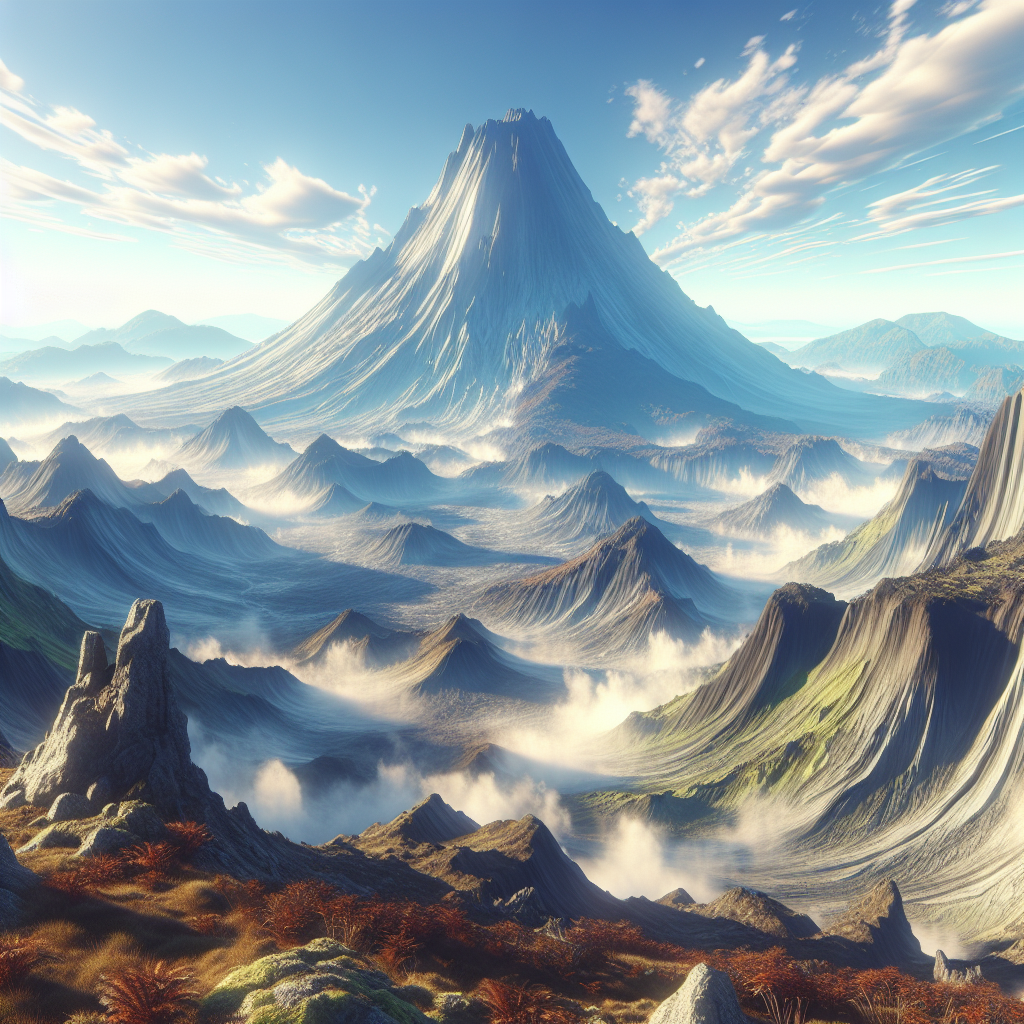

Exploring the Mysteries of Quetrupillán: A Dormant Giant in Chile
Imagine a sleeping giant nestled between two of its more famous siblings, waiting patiently in the heart of Chile's Lake District. This is Quetrupillán, a stratovolcano located in the Andes mountain range, part of the Villarrica National Park in southern Chile. Quetrupillán, which last erupted around 1853, is overshadowed by its more active neighbors, Villarrica and Lanín. However, its geological significance and the surrounding natural beauty make it a fascinating subject for volcanologists and adventurers alike.
Quetrupillán stands at an impressive 2,360 meters (7,740 feet) and is characterized by its broad, snow-capped summit and a large caldera, a testament to its explosive past. The volcano's name is derived from the Mapuche language, reflecting the rich cultural heritage of the indigenous people who have lived in the region for centuries. The Mapuche people have long revered the volcanoes as sacred entities, and Quetrupillán is no exception.
The geological history of Quetrupillán is as intriguing as its cultural significance. Formed during the Pleistocene epoch, it has experienced numerous eruptions, shaping the landscape and contributing to the fertile soils of the region. The last known eruption in the mid-19th century was relatively minor compared to its historical activity, but it serves as a reminder of the potential power lying beneath the surface.
Today, Quetrupillán is a popular destination for hikers and nature enthusiasts. The trails leading to its summit offer breathtaking views of the surrounding landscape, including the nearby Villarrica and Lanín volcanoes. The area is also home to diverse flora and fauna, making it a haven for biodiversity. The journey to Quetrupillán's peak is not just a physical challenge but an opportunity to connect with the natural world and appreciate the dynamic forces that have shaped our planet.
In the realm of scientific research, Quetrupillán provides valuable insights into volcanic activity and the processes that govern it. By studying this dormant giant, scientists can better understand the behavior of volcanoes and improve predictive models, ultimately enhancing our ability to mitigate the risks associated with volcanic eruptions. The ongoing research in this region is a testament to humanity's relentless pursuit of knowledge and our desire to coexist harmoniously with the natural world.