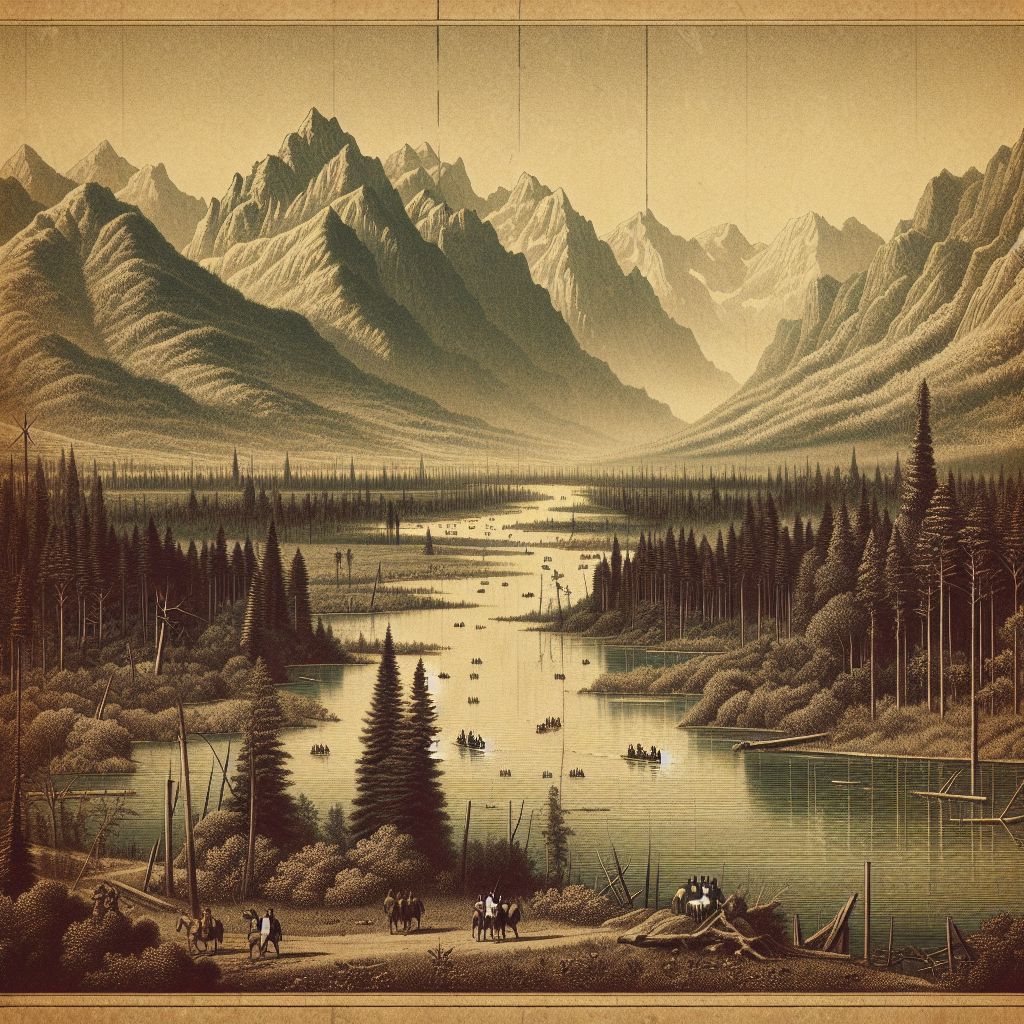

Have you ever wondered if rivers could talk, what stories they would tell? The Portage River in Jackson County, Michigan is one such waterway, weaving through history and nature, whispering the chronicles of the land it nurtures. The Portage River, a tributary to the mighty Huron River, invites both the curious wanderer and the science enthusiast into its scenic embrace. Situated in the heart of Michigan, this river is not merely a physical entity but a biological paradise and an integral part of the region’s ecological tapestry.
A River Born of History and Geography
The Portage River winds through Jackson County, a province known for its natural beauty and cultural heritage. Though modest in size compared to the larger waterways of the United States, it holds a significant place in local lore and geography. The river begins its journey near the village of Leoni and continues to wend its way, forming a delightful confluence with the Huron River, a union that offers not just a meeting of waters, but of histories and habitats.
What makes the Portage River distinctly fascinating is its role in local history. Historically, this river served as an essential route for Native American tribes, providing resources and connectivity. It’s intriguing to consider that when we walk along its banks today, we are treading ground once traveled by the indigenous peoples who lived harmoniously amidst these natural surroundings.
Exploring the Ecological Wonders
If you ever doubted that small rivers could offer abundant ecological value, Portage River should change your mind. This river supports a diversity of plant and animal life, reflective of Michigan's rich flora and fauna. Lush greenery, robust wetlands, and a vibrant array of wildlife compose its banks, making it an engaging study for ecologists and a tranquil escape for naturalists.
Fish populations, including species such as northern pike and smallmouth bass, hint at the relative health and vitality of the river’s ecosystem. These aquatic creatures are important indicators of environmental quality, as they require clean, oxygen-rich water to thrive. Birdwatchers can rejoice too as the area acts as a haven for numerous bird species throughout the year, from resident wood ducks to migratory songbirds.
Moreover, the river’s wetland areas are ecological powerhouses, engaging in nutrient recycling, flood mitigation, and providing habitats for amphibians, insects, and other aquatic organisms. Wetlands are often termed as 'nature’s kidneys' for their ability to filter pollutants and sediments, keeping waterways cleaner.
Accessibility and Recreation
But how does one visit and appreciate such a beautiful place? Venturing to the Portage River is not just reserved for scientists or researchers. With various recreational options, it beckons adventurers of all kinds. Canoeing and kayaking enthusiasts will find joy navigating the gentle currents, while amateur photographers can capture the mesmerizing vistas that change with the seasons.
For those preferring land-based activities, hiking trails crisscross the surrounding area, allowing one to immerse in the acoustics and visuals of nature. Seasonal changes bring vibrant displays, from the wild bloom of springtime flowers to the spectacular fall foliage, ensuring there's never a dull moment for those on foot.
Conservation Efforts: Guardians of the River
Being scientifically minded, understanding what protects this river is as thrilling as exploring it. Fortunately, several conservation initiatives actively manage and promote the well-being of the Portage River. Local environmental groups, in collaboration with government agencies, work tirelessly to monitor and improve water quality, manage invasive species, and ensure the conservation of habitats both terrestrial and aquatic.
In recent decades, these efforts have become all the more vital as human impact increasingly challenges natural environments. Participation in community clean-up events and awareness campaigns about protecting native ecosystems bolster these efforts, driving home the importance of conservation as not just an option, but a necessity.
The Educational Journey
The Portage River also functions as a natural classroom, opening doors for educators and students alike to engage in environmental education. Field studies on water quality, ecosystem dynamics, and wildlife behavior foster a deeper understanding of natural sciences among young minds. Learning outside the confines of four walls, in live ecosystems, brings textbooks to life and makes science an adventure rather than a subject.
A Reflection of Human-Nature Harmony
The Portage River in Jackson County, Michigan, stands as a testament to the beauty that emerges when nature and human beings exist in harmonious balance. This river, with its nurturing flow and vibrant life, reminds us of the intricate web of which we are a part. Exploring it brings not only joy but valuable insights into the complex relationships within ecosystems.
This river calls out not just to the scientists, adventurers, and historians but to each of us who share a stake in ensuring such natural marvels endure for future generations. As we continue to appreciate and protect the Portage River, we play a vital role in safeguarding our planet's ecological treasures, ensuring that these stories of nature remain alive, well, and able to inspire the human spirit for years to come.