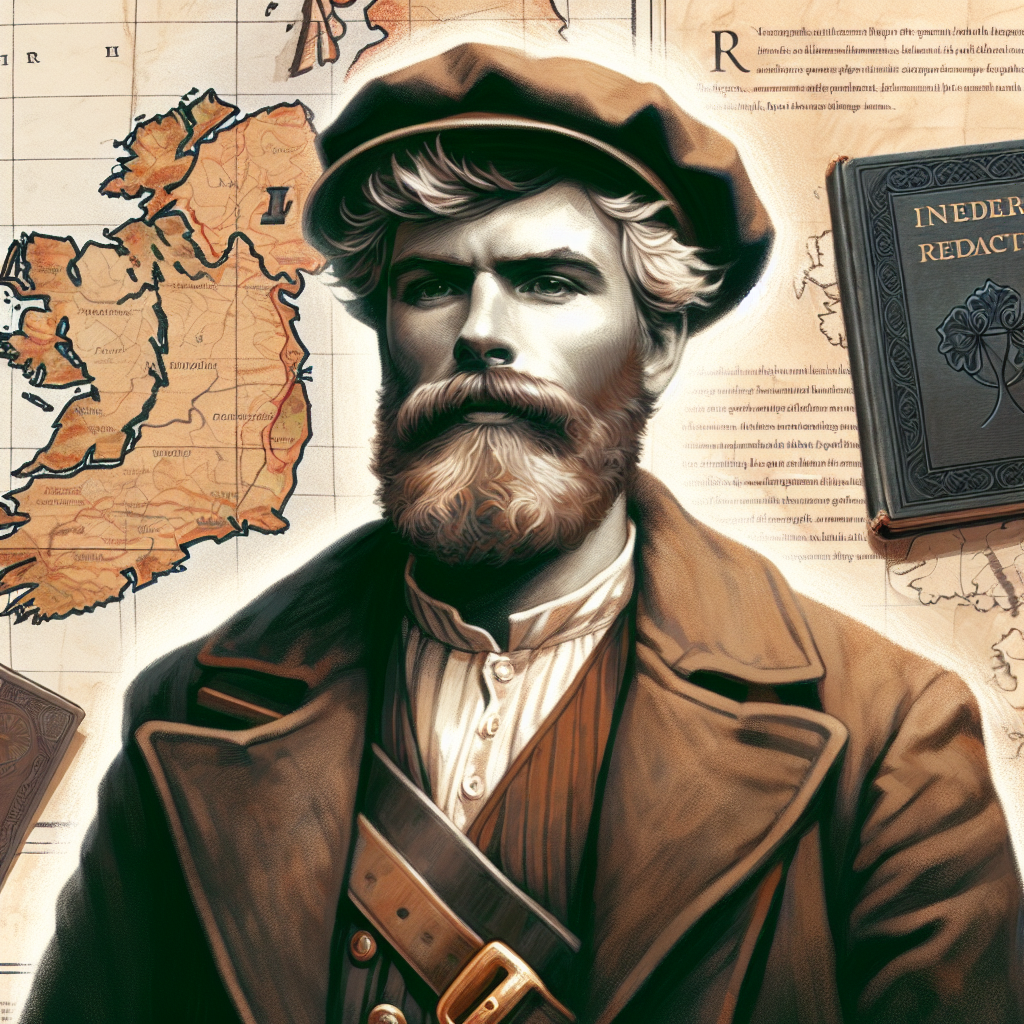

Peadar Kearney: Who Was He?
Ready to discover the energetic story of Peadar Kearney and how he turned Ireland's history into harmonious poetry? Peadar Kearney, born in 1883 in Dublin, Ireland, is most famously known as the lyricist of 'The Soldier's Song', which later transformed into the national anthem of Ireland. Kearney’s work came at a time of fervent change in Ireland, a country yearning for independence from British rule. At the backdrop of political upheaval, this songwriter's pen delivered verses that roused a nation, truly entwining art and activism in a beautiful amalgamation.
Early Life and Influences
Kearney was born to a working-class family, growing amidst the cultural revival that was sweeping through Ireland during the late 19th and early 20th centuries. This cultural renaissance wasn't just awakening, it was roaring, and Kearney found himself at its heart. His involvement in the Gaelic League played a pivotal role in shaping his nationalist sentiments and introduced him to a vibrant community of artists, revolutionaries, and thinkers. His uncle, P.J. Kearney, was a well-known nationalist, which profoundly influenced Peadar's own views and aspirations. Peadar's passion wasn't just inherited; it was born from a deep personal connection to his country's future.
The Birth of 'The Soldier's Song'
With a quill in hand, Kearney composed 'The Soldier's Song' in 1907, a triumphant chant for Irish independence. Originally penned in English, the anthem vividly captures the essence of the Irish revolutionary spirit. Kearney's lyrics express the struggles and aspirations of those who longed for autonomy, playing a crucial role in boosting the morale of Irish fighters. The song was eventually translated into Irish and renamed 'Amhrán na bhFiann', permanently etching itself into the fabric of Irish identity post-independence.
Navigating a Life of Activism
Kearney's journey was not absent of struggle or complexity; it intertwines with Ireland’s own political transformation. He served as a member of the Irish Republican Brotherhood and was a key figure during the Easter Rising of 1916, which sought to end British rule in Ireland. During this tumultuous time, Kearney's musical talents and stoic resolve mirrored one another, as his compositions served as both a comfort and a rallying cry.
More Than Just an Anthem
Yet, Kearney's prowess was not confined to one composition. He continued to write songs and poems that reflected the pressing sentiments of his time, bridging the gap between art and nationalistic fervor. His works are a testament to his unyielding optimism for Ireland's future—a belief that cultural and political freedom could harmonize.
Cultural Legacy
Peadar Kearney's legacy is immense. His anthem not only united the people of Ireland under a single melody but also allowed them to proudly own their heritage. It's a symbol of hope, resilience, and unfaltering patriotism. His influence remains a guiding sonic light for Ireland, inspiring countless other creatives to use their art for activism.
Personal Reflections
Contemplating Kearney’s impact, one can't help but feel a surge of inspiration. His life serves as a reminder of how music and lyrics can transcend mere notes and letters—a call to action that echoes across generations. For humanity at large, it’s a realization that with persistent passion and creativity, the impossible can be rewritten.
Conclusion Without Saying 'Conclusion'
The story of Peadar Kearney is that of optimism against adversity and illustrates how one man’s passion for music and independence sparked a movement. His words continue to resonate, reminding us that creativity and resilience are powerful forces in the narrative of human progress. Kearney's life teaches us that through understanding our past, we find empowerment to shape our future—an affinity to learn and grow that we need now more than ever.
Questions to Ponder
- How has music served as a tool for social change throughout history?
- What modern-day movements could benefit from an anthem like 'The Soldier's Song'?
- In what ways can you use your skills and passions to create positive change in your community?