
The Vibrant World of Paul Madeline: A Journey Through Color and Light
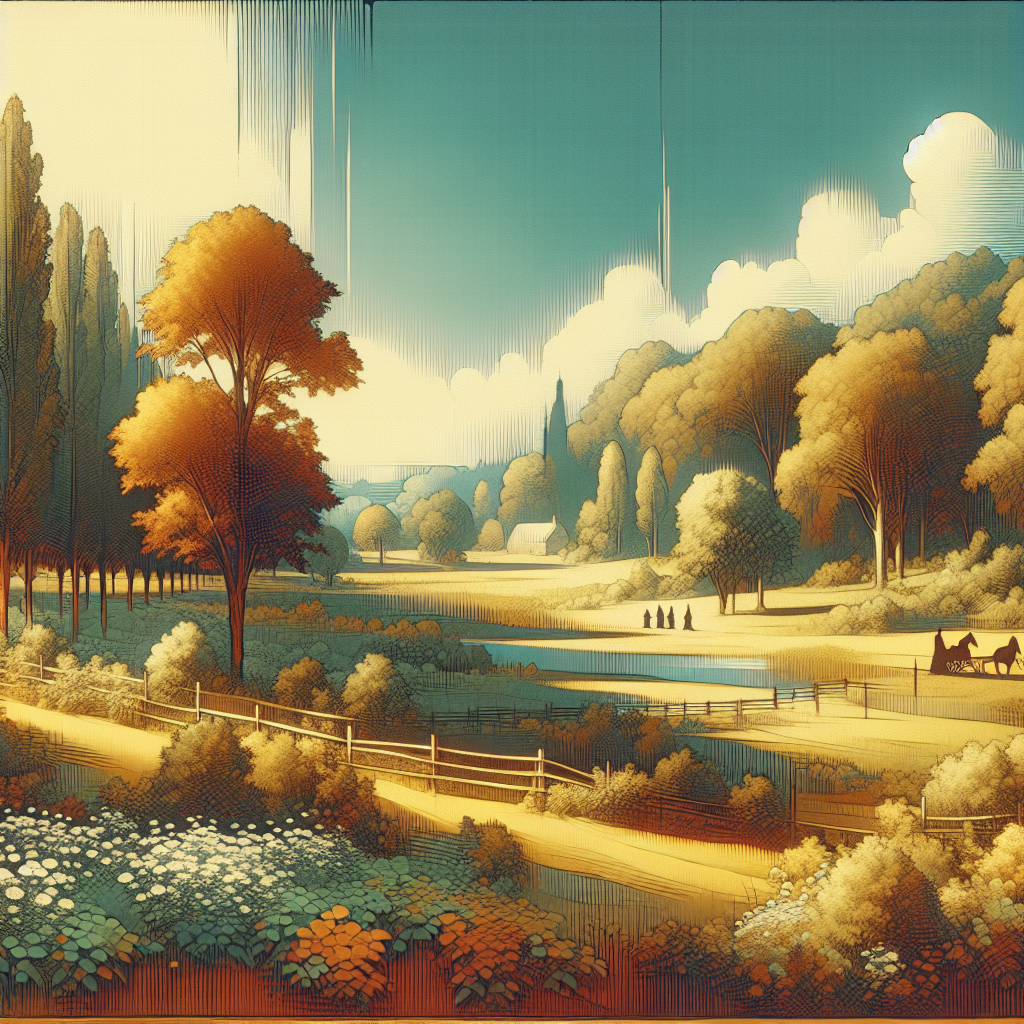
Paul Madeline, a French post-impressionist painter, was born on October 7, 1863, in Paris, France, and left an indelible mark on the art world with his vibrant landscapes and masterful use of color. His artistic journey began in the late 19th century, a time when the art scene was buzzing with innovation and experimentation. Madeline's work is celebrated for its ability to capture the essence of the French countryside, particularly the regions of Brittany and Auvergne, where he often painted. His paintings are a testament to his love for nature and his skill in portraying the interplay of light and shadow, which he achieved through a unique blend of impressionist and post-impressionist techniques.
Madeline's artistic career took off when he moved to Paris to study at the École des Beaux-Arts, where he was influenced by the works of the impressionists. He was particularly inspired by the likes of Claude Monet and Camille Pissarro, whose emphasis on light and color resonated deeply with him. By the early 1900s, Madeline had established himself as a prominent figure in the art world, exhibiting his works at the Salon des Indépendants and the Salon d'Automne, two of the most prestigious art exhibitions in France. His paintings were characterized by their bold brushstrokes and vibrant palette, which brought the landscapes of rural France to life on canvas.
Madeline's work is not only a reflection of his artistic prowess but also a window into the cultural and social landscape of his time. The late 19th and early 20th centuries were periods of great change in France, marked by industrialization and urbanization. Madeline's choice to focus on rural landscapes can be seen as a response to these changes, capturing the timeless beauty of the countryside amidst the rapidly evolving world. His paintings serve as a reminder of the simple, yet profound, beauty of nature and the importance of preserving it.
Throughout his career, Paul Madeline remained dedicated to his craft, continually exploring new techniques and styles. His legacy lives on through his paintings, which continue to inspire and captivate art enthusiasts around the world. Madeline passed away on February 12, 1920, but his vibrant depictions of the French landscape ensure that his spirit and vision endure. His work invites us to pause and appreciate the beauty that surrounds us, encouraging a deeper connection with the natural world.