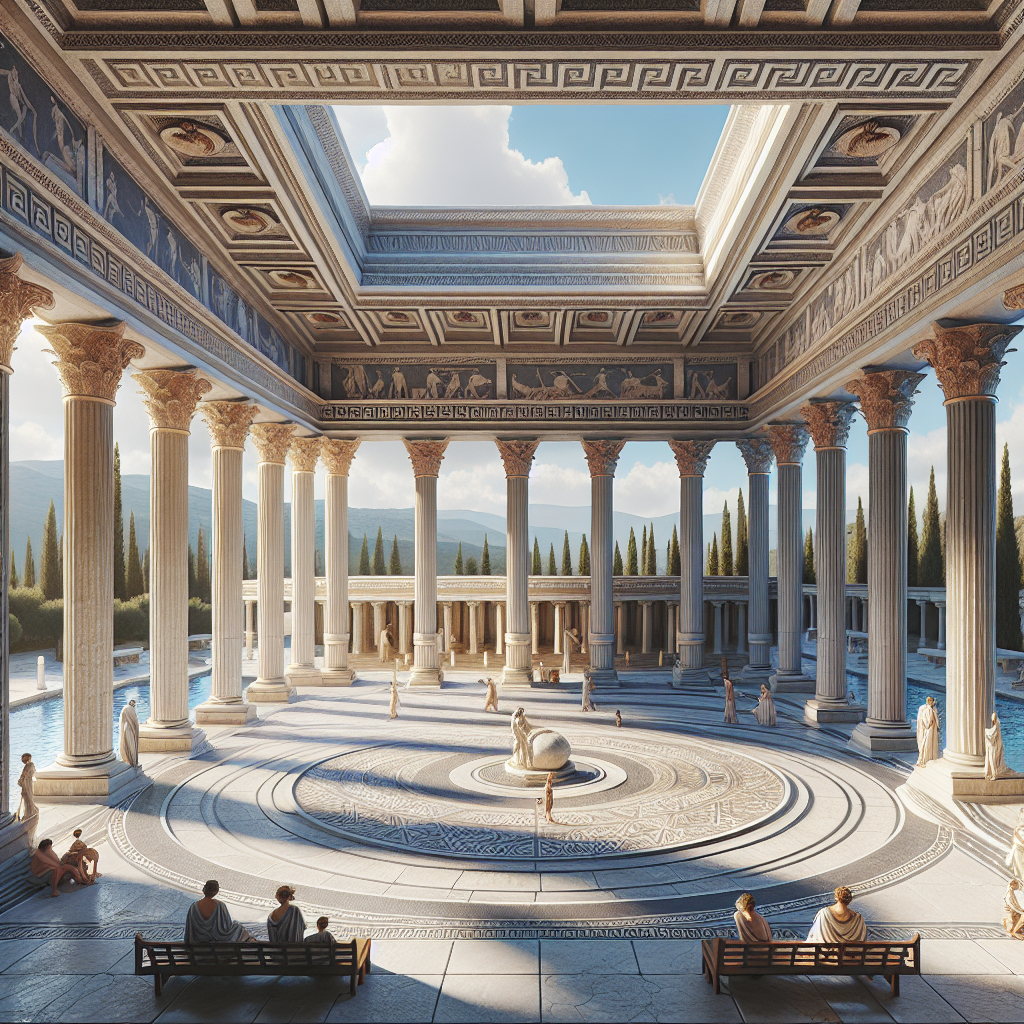

The Palaestra at Olympia: Where Ancient Greek Athletes Trained for Glory
Imagine stepping onto the very grounds where ancient Greek athletes prepared for the legendary Olympic Games — a place where muscles were honed, techniques were perfected, and spirited conversations filled the air. Yes, we're talking about the Palaestra at Olympia, an essential pillar of classical sports training and a significant slice of our shared human heritage.
The Magic Behind the Palaestra
The Palaestra at Olympia isn't just a relic of the past; it's a testament to the dedication and discipline that characterized the ancient Greek world. Located in Olympia, Greece, the Palaestra was constructed around the 3rd century BCE as part of a larger gymnasium complex. Imagine the excitement as athletes from all over the Greek world gathered here to practice wrestling, boxing, and pankration — a kind of ancient martial art that blended boxing and wrestling.
A Walk Through Time
This historic site was primarily a rectangular open-air courtyard, encircled by colonnaded stoas. This design wasn’t just about aesthetics; each stoa served a purpose. While the open courtyard allowed athletes to train in natural light, the surrounding columns provided a shaded area for rest and coaching. Watching over these athletic endeavors were rooms bordering the complex, used for oil storage (an essential part of training and body care), bathing areas, and even a platform meant for philosophical discussions. The Palaestra was more than a training arena; it was a microcosm of Greek life, embodying their ideal of a sound mind in a sound body.
The Heart and Soul of Olympic Preparation
Why was the Palaestra so significant, you may ask? The answer lies in its role as the heartbeat of Olympic preparation. The ancient Olympic Games, first held in this very region in 776 BCE, were the pinnacle of athletic achievement, celebrating strength, endurance, and sheer human will. Athletes would spend months, sometimes years, training at sites like the Palaestra, transforming not just their bodies but also their spirits, aligning with the Greek virtue of ‘arete’ — excellence.
The Palaestra's Influence on Modern Sports and Society
It's fascinating to see how much of modern-day athletics can trace its roots back to the Palaestra. The structured training, focus on well-rounded physical development, and amalgamation of physical exercise with intellectual pursuit are principles still valued today. In fact, the societal construct of gymnasiums owes much to this ancient institution. Present-day gyms, training centers, and even Olympic facilities carry forward the legacy of spaces like the Palaestra.
The Palaestra's influence extends beyond sports, echoing into our cultural consciousness. It’s a reminder of the interconnectedness of physical strength and mental acuity. The concept that exercising the body goes hand-in-hand with exercising the mind is one we continue to explore and celebrate.
Excavations and Insights: Unraveling the Past
The journey to rediscovering the past is as riveting as the history itself. Excavations at Olympia have shed light on the grandeur of the Palaestra. Archaeologists have unearthed meticulously crafted rooms and areas that speak volumes about the architectural wisdom of ancient Greeks. Imagine the sound of tools digging gently into the earth, unearthing mosaics and sculptures showing athletes in motion — each piece an echo of a vibrant past.
These revelations not only enrich our understanding of ancient Greek society but also inspire awe at their advanced grasp of architecture and community planning. This ongoing research provides a bridge back to those early days of civilization, offering insights that extend far beyond athletics and into our knowledge of human history and development.
Bridging Past and Future
Why should you care about a centuries-old training ground? Because the Palaestra is a fascinating reminder of our collective journey as a species. It reminds us of the enduring human spirit — the quest for excellence, the celebration of competition, and the unifying power of games. The Palaestra at Olympia gives us a window into a world that, while ancient, is deeply connected to our lives today.
As we move forward, it's essential to not only celebrate this legacy but also learn from it. The philosophy that originated in places like the Palaestra — balancing physical vigor with mental agility, promoting community and dialogue alongside competition — is as relevant today as it was centuries ago.
In observing the ruins of the Palaestra, we aren’t just looking at remnants of the past. We see the roots of practices and values that form the backbone of modern athletics and society. As a beacon of Greek culture, the Palaestra continues to invite us into a historical narrative filled with aspiration, perspiration, and a whole lot of inspiration.
As we stand on the shoulders of giants, let’s take a moment to appreciate the echoes of the past that continue to shape our present and inspire our future. Whether you're an athlete, a scholar, or a curious wanderer, the Palaestra at Olympia exemplifies the timeless pursuit of excellence.