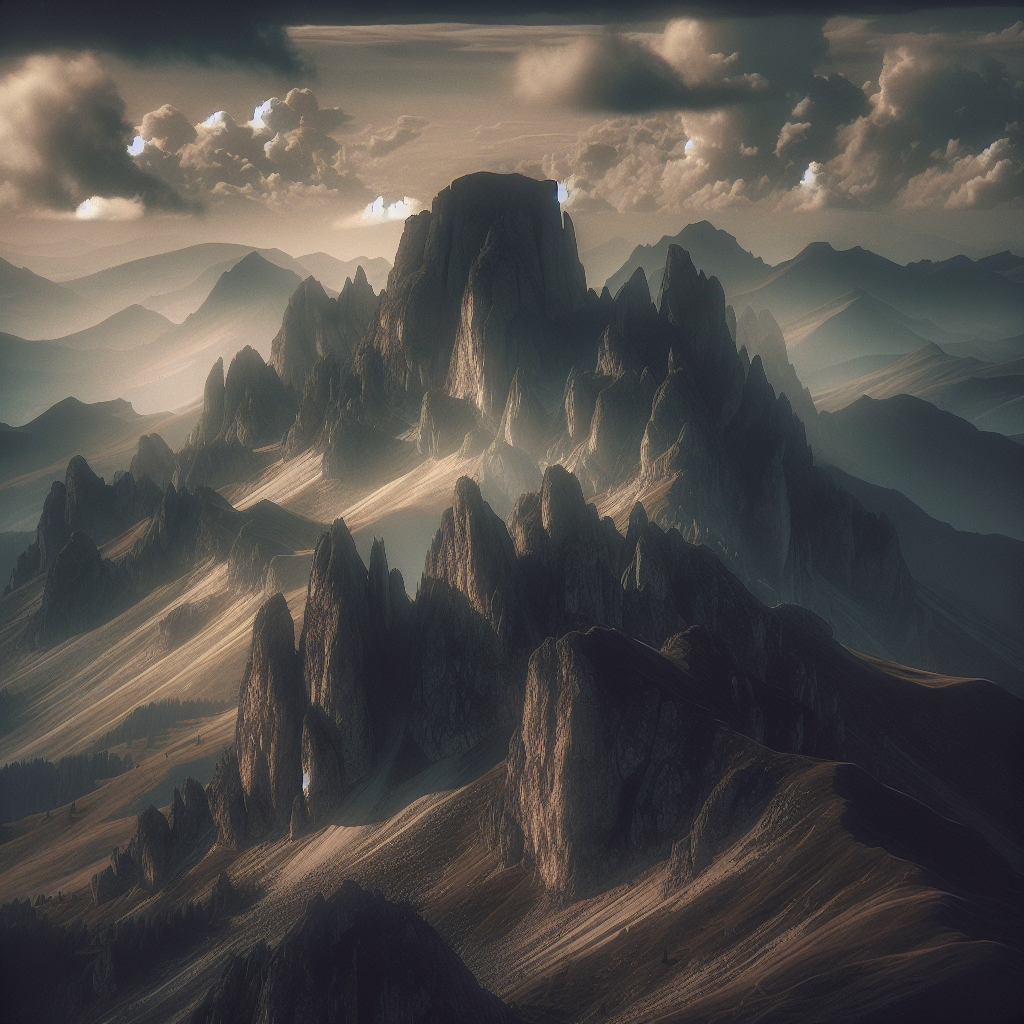

If someone said there are secretive treasure troves nested within Europe's lush landscapes, they might be referring to the intriguing Owl Mountains—a place where history and legends collide beautifully. Nestled in southwestern Poland, these mountains have been a subject of curiosity since the end of World War II, when the Germans orchestrated a secretive project here, shrouding the massive tunnel complexes in mystery and sealing this area in history.
The Owl Mountains, known locally as Góry Sowie, are part of the Central Sudetes and offer more than just their historical allure. Their geological richness and natural beauty are equally captivating, making it a place where people can explore the wonders of both nature and history. These mountains date back hundreds of millions of years, showcasing sedimentary rocks, magmatic intrusions, and metamorphic complexities, which together paint a picture of Earth’s deep time.
Historical Enigma: Project Riese
The most tantalizing enigma of the Owl Mountains is the mysterious Project Riese (meaning "Giant" in German). Initiated by Nazi Germany during World War II, this colossal undertaking remains partly concealed. The project consisted of a massive network of underground tunnels and structures, the purpose of which is still speculated—ranging from military headquarters to secret weapons manufacturing facilities.
These tunnels were primarily constructed by prisoners from concentration camps under severe conditions, making them a somber reminder of the war's brutal past. Post-war exploration revealed incomplete labyrinths that invite modern-day adventurers and historians alike to attempt understanding their intended purpose.
Geology Galore
While history piques the imagination, the Owl Mountains are a geologist’s dream. These formations emerged through complex processes involving the Variscan orogeny, a significant mountain-building event. The range is a tapestry of geological events, with some rock formations dating back even to the early Permian period. Its peaks—the highest being Wielka Sowa at 1,015 meters—offer glimpses into the ancient movements of Earth’s crust.
Amateurs and geology enthusiasts often find the region’s formations mesmerizing—the jagged outcrops, the layers silently narrating eons gone by, and the flora and fauna that adapted beautifully to the rocky terrains. The forests teem with biodiversity, playing host to unique flora such as European silver firs and wildlife that include the elusive Eurasian lynx and diverse bird species.
Outdoor Adventures Await
For those excited by nature rather than just history and geology, the Owl Mountains do not disappoint. Their well-marked hiking trails guide visitors through scenic vistas and dense forests, offering trails suitable for all abilities. The landscape, while challenging in places, rewards with its panoramic views and serene settings.
Winter sports enthusiasts will find smaller, cozy resorts catering to skiing and snowboarding, providing an alternative to the busier alpine destinations across Europe. The quiet charm of the area makes it an excellent spot for those seeking solitude or a peaceful retreat in nature.
Cultural Insights
Beyond natural beauty and historical intrigue, the Owl Mountains area is embedded in the cultural tapestry of Poland. The small towns and villages here are captives of time, with their vibrant traditional festivals, warm accommodations, and delectable local cuisine that reflect the melding of different European influences over centuries.
Visitors can experience the region's hospitality, taste its hearty foods, explore folklore, and perhaps even participate in one of the many local festivities. These small communities help preserve the intangible cultural heritage that forms a crucial part of Poland’s identity.
Scientific And Social Significance
The ongoing exploration of the Owl Mountains is a testament to their lasting significance. For scientists, they hold keys to unraveling geological and climatic history. For history buffs, they represent a puzzle yet to be solved. And for the rest of us? They are a reminder of how our past shapes our present, offering insight and inspiration in equal measure.
From hiking boots to historians' notes, the Owl Mountains captivate with their blend of nature, history, and humanity. They are a standing ode to optimism—showing us how much there still is to learn in a world woven with stories waiting to be discovered.