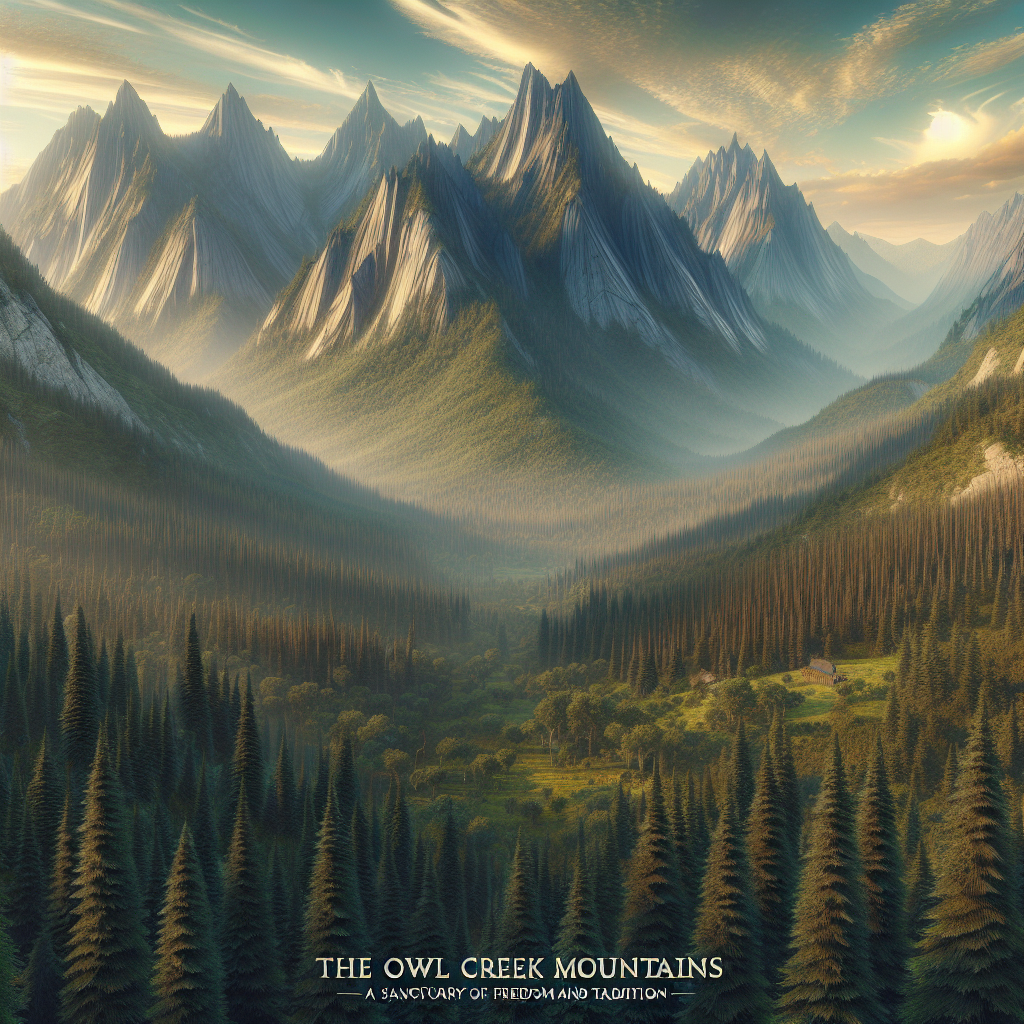

Unraveling the Mysteries of Owl Creek Mountains
Who would have thought that nestled in the heart of Wyoming, an enthralling tale of geology, history, and natural beauty was waiting to be unfolded in the Owl Creek Mountains? These majestic ranges have captured human curiosity and admiration for centuries, and here we embark on an expedition to understand the 'who, what, when, where, and why' behind these magnificent structures.
The Geography and Geology
The Owl Creek Mountains, located in central Wyoming, form a segment of the larger Rocky Mountain range. Geologically active and intriguing, these mountains boast a tapestry woven from sedimentary, metamorphic, and igneous rocks. Such complexity found within these layers speaks volumes about their dynamic past. Like an immense geological album, they offer insights into epochs when ancient seas retreated, volcanoes erupted, and lush plains emerged.
A Look into Their Formation
The formation of the Owl Creek Mountains is an inspiring testament to Earth's ever-changing nature. During the Laramide Orogeny, a period of mountain-building that occurred from approximately 70 to 40 million years ago, colossal tectonic forces shaped the Rocky Mountains. The immense pressure caused older, basement rocks to thrust upwards, creating the iconic peaks we see today. Imagine the energy and time it required for the tectonic plates to come together precisely right, guiding this colossal geological dance!
An Ecological Wonderland
As stunning as their structure is the rich biodiversity that calls the Owl Creek Mountains home. Here, pristine habitats host species like bighorn sheep, mule deer, and golden eagles. The unique combination of altitude, varied topography, and climate creates ecosystems that have fascinated and sustained the indigenous Shoshone and Arapaho tribes for millennia.
Flora and Fauna: Nature's Masterpieces
These mountains paint a canvas with aspen groves, fragrant pine forests, and alpine meadows. The flora not only supports a diverse array of fauna but also plays a crucial role in maintaining the ecological balance. Scholars and naturalists visiting this region find themselves in awe of the interconnectedness of life forms that flourish here.
Human History and Cultural Significance
Stretching across eons, the human history intertwined with these mountains is just as captivating as their geological and ecological narratives. For centuries, the Owl Creek Mountains have been a vital part of Native American culture. The Shoshone and Arapaho tribes consider these lands sacred, with ancestral stories that bind them to these peaks.
With the arrival of European explorers and settlers in the 19th century, these mountains played a pivotal role as a natural barrier and a path, with routes like the Oregon Trail guiding pioneers through challenging terrains. This human-environment interaction carved its own historical legacy within the mountains.
Modern Day Adventure and Exploration
In contemporary times, the rugged and diverse terrain of the Owl Creek Mountains serves as a playground for outdoor enthusiasts from around the world. Hiking trails, camping sites, and wildlife-watching spots abound, beckoning adventurers and scientists alike to engage with nature.
Putting It All Together: Why They Matter
Why do the Owl Creek Mountains matter in today's rapidly evolving world? Besides their significant contributions to our geological knowledge, these peaks stand as a symbol of nature's majesty and resilience. They remind us of our planet's tumultuous yet beautiful past and the role we play in preserving such untouched beauty for future generations.
Ultimately, the Owl Creek Mountains are a testament to nature's grand design, capable of evoking awe and fostering a profound connection between humans and their environment. Appreciating these majestic ranges and all they embody encourages us to take thoughtful steps toward nurturing our planet's geological, ecological, and cultural riches.