
Welcoming You to Omereque Municipality
Imagine a place where history whispers through the Andes and culture weaves the fabric of daily life. Welcome to Omereque Municipality, an often overlooked jewel nestled in Bolivia's serene Cochabamba Department. Established officially as a municipality, Omereque boasts a fascinating blend of the indigenous heritage of the Quechua people wrapped in the evolving narrative of modern society.
Where Time and Culture Create Wonders
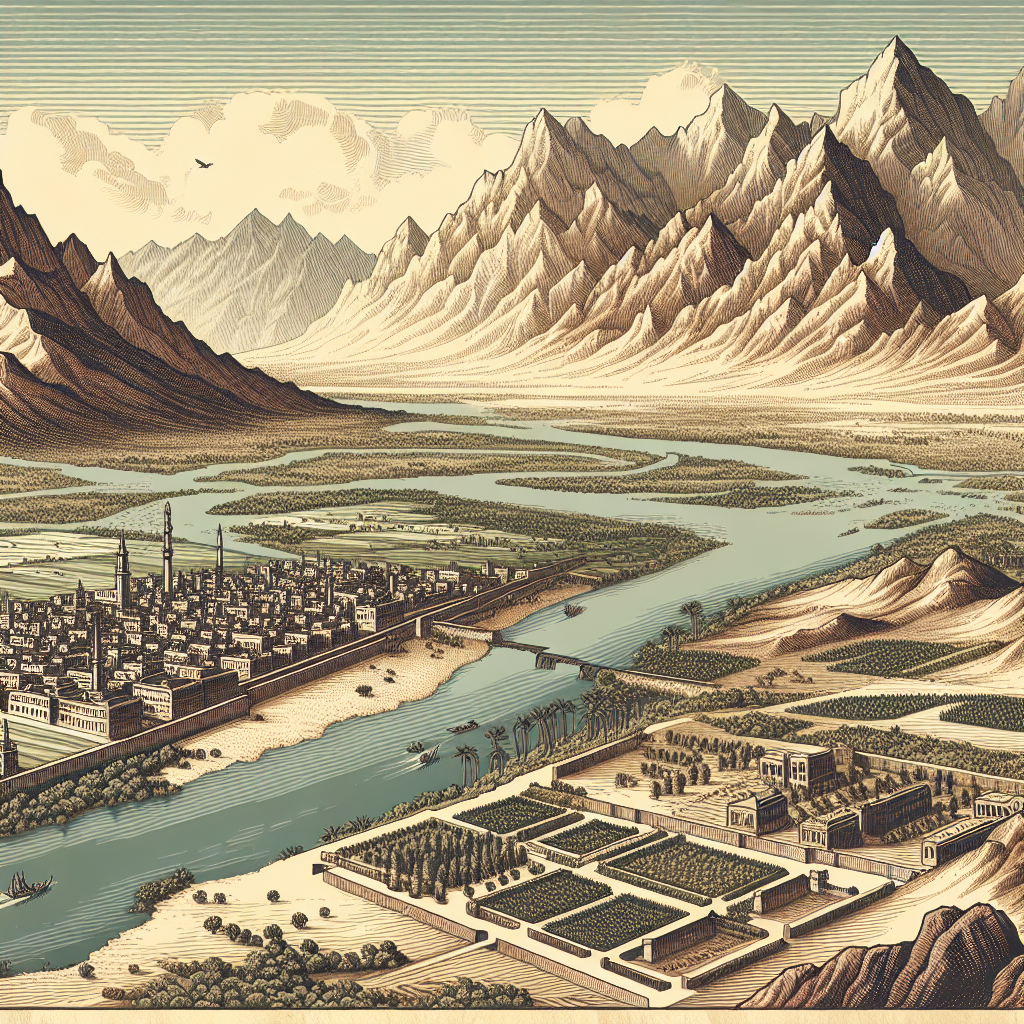
Geographical Charms & Details: Omereque sits eloquently in the valleys of Cochabamba, surrounded by mesmerizing landscapes that include lush hills and fertile lands. These geographic blessings are not just a scenic backdrop but provide a fertile foundation for agriculture—a significant aspect of the local economy and way of life.
Population and Culture: Home to a close-knit population, primarily of indigenous Quechua descent, the municipality is a testament to cultural preservation and community spirit. The language, traditional practices, and vibrant festivals of the Quechua resonate throughout the region, offering visitors and researchers a peek into a living historical tapestry.
The Science of Sustainability
Agriculture: Agriculture is the heartbeat of Omereque, with local farmers employing age-old techniques to grow crops such as maize, potatoes, and beans. These practices are often celebrated for their sustainable nature, harmonizing with the environment in a way that modern agricultural methods strive to achieve.
Traditional Knowledge: The traditional knowledge passed down through generations is priceless. Pest control, irrigation, and even planting times are informed by an understanding of the ecosystem that often outshines contemporary scientific methodologies in sustainable agricultural discussions.
An Artistic Odyssey
Not only is agriculture a feature of this municipality, but also its expression of cultural arts. Handmade crafts, especially textiles, reflect a synthesis of functionality and aesthetics cultivated over centuries. These crafts are not mere tourist souvenirs; they are narratives of community, time, and tradition woven into each thread.
Educational Horizons
Research & Learning: Omereque is a pivotal area for researchers and students interested in ethnobotany, ecology, and anthropology. The rich biodiversity coupled with cultural richness provides a living library for experiential learning. Researchers can immerse themselves in the real-world challenges and ingenuity of local agricultural practices or explore the vast array of plant species unique to this part of Bolivia.
Adventures Awaiting Explorers
Natural Trails: For the nature-enthusiast, Omereque offers ample opportunities for hiking and exploration. Scenic trails meander through valleys and hills, presenting stunning vistas and encounters with the region's unique flora and fauna.
Community Interaction: Visitors are encouraged to engage with local communities, participating in celebrations, or simply learning about the daily lives of the people who call Omereque home. These interactions can be eye-opening experiences, revealing the depth of human adaptation and cultural resilience.
The Future: Optimism Rooted in Tradition
Optimism is sown throughout the fabric of Omereque's society. Their future is seen through the lens of sustainable practices and the deep-rooted belief in cultural heritage. The new generation, with access to modern education, stands at an intersection of preserving traditions while integrating innovative approaches to agriculture and community living.
The municipality serves as both a reminder of a deep-rooted past and a beacon guiding sustainable futures. Omereque symbolizes human resilience and the profound knowledge that sometimes the past holds the keys to future advancements.
A Call to the Curious
Whether you are a traveler seeking new vistas, a student eager to learn, or simply an enthusiast of cultural history, Omereque offers an enthralling tapestry that will pique your curiosity and broaden your horizons. It's not just a destination; it's a journey through time, culture, and human ingenuity.