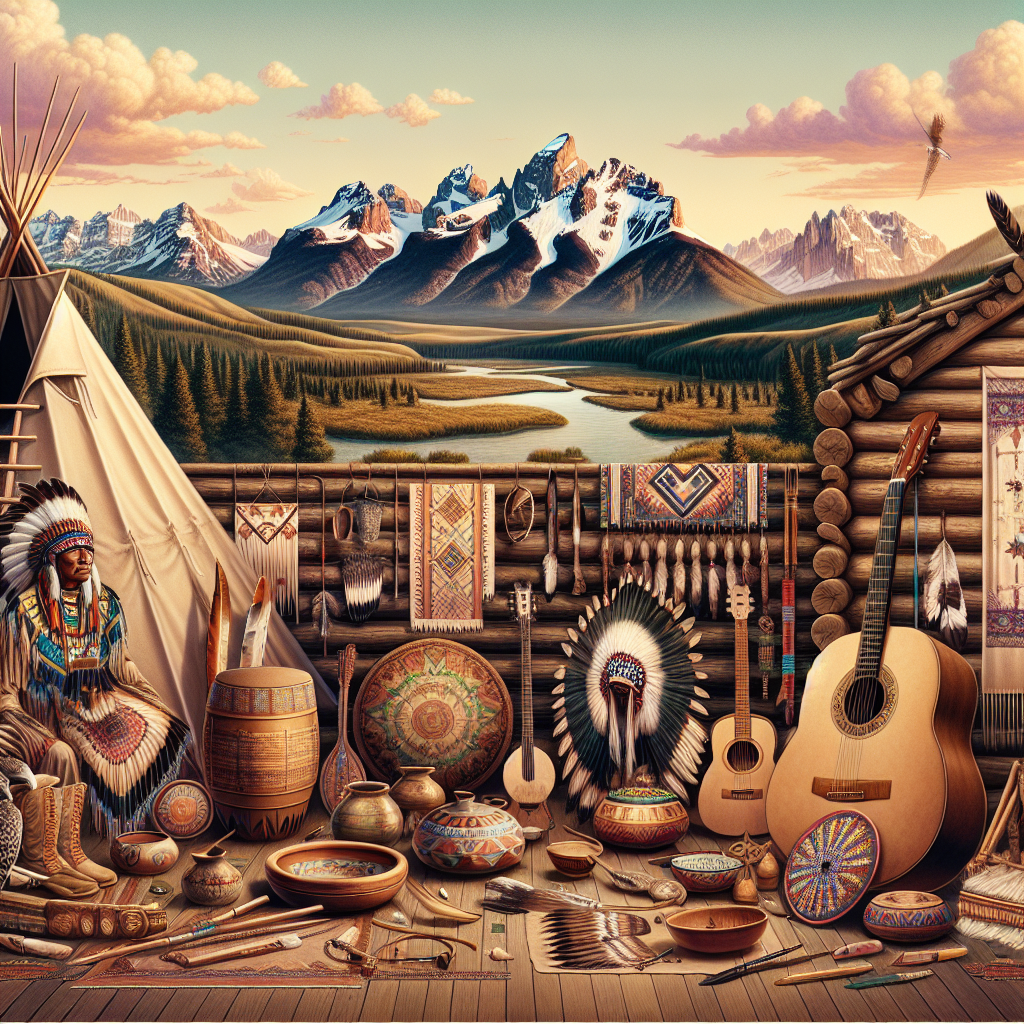

Celebrating National American Indian Heritage Month: A Journey Through Time and Culture
Every November, the United States bursts with vibrant celebrations and educational events as it honors National American Indian Heritage Month. This annual observance, established in 1990 by President George H.W. Bush, is a time to recognize and celebrate the rich cultures, histories, and contributions of Native American peoples. The month-long celebration takes place across the nation, from bustling cities to serene reservations, highlighting the diverse and dynamic cultures of over 500 federally recognized tribes.
The origins of this celebration date back to the early 20th century when Dr. Arthur C. Parker, a Seneca Indian, and other Native American leaders advocated for a day to honor the "First Americans." Their efforts led to the establishment of American Indian Day in various states, eventually culminating in the national recognition we see today. The purpose of National American Indian Heritage Month is to provide a platform for Native Americans to share their traditions and stories, fostering understanding and appreciation among all Americans.
Throughout November, educational institutions, museums, and cultural organizations host a variety of events, including traditional dance performances, art exhibitions, and storytelling sessions. These events not only celebrate the past but also highlight contemporary Native American issues and achievements, offering a comprehensive view of their enduring legacy. By participating in these activities, people from all walks of life can gain a deeper understanding of the unique contributions Native Americans have made to the fabric of American society.
National American Indian Heritage Month is a time for reflection, learning, and celebration. It serves as a reminder of the resilience and strength of Native American communities and their vital role in shaping the nation's history and future. As we engage with the stories and traditions of Native peoples, we are reminded of the importance of preserving and honoring their rich cultural heritage for generations to come.