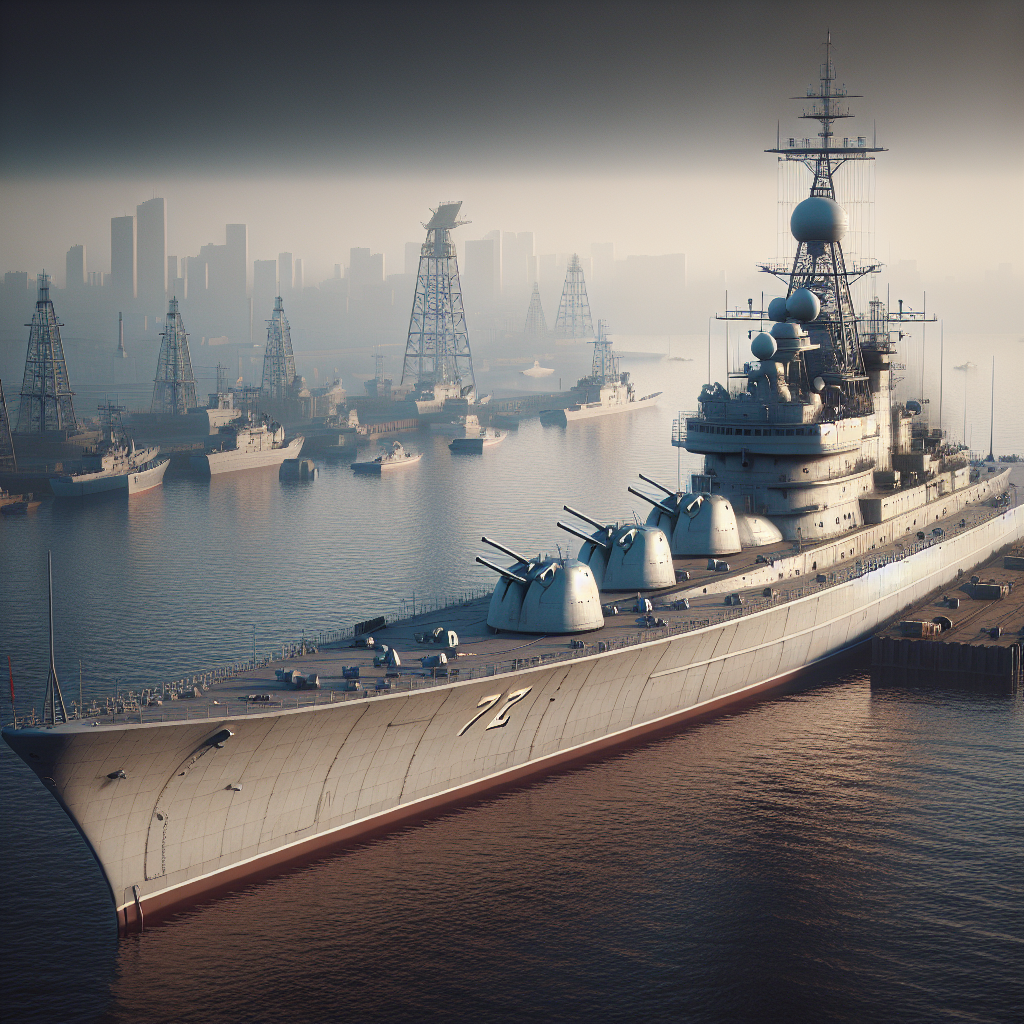

Ever wondered about the engineering marvels that cut through the high seas with such finesse while packing an impressive punch? Allow me to introduce you to the Nanuchka-class corvette, a staple of the Soviet and later Russian naval fleet's storied history. Designed in the 1960s amidst the tensions of the Cold War, these ships have served the Soviet Union, Russia, India, and Algeria. The Nanuchka-class corvette, also known by its NATO reporting name, was conceived to patrol and protect the vast maritime expanses at play during an era when naval prowess was crucial. How did these compact yet formidable vessels make such a significant impact, and why do they still capture the imagination of military historians today?
The Nanuchka-class originated from the Soviet Union's need for a capable, agile vessel that could operate in littoral zones—those shallow waters near coastlines. It's essentially an evolution of Cold War naval philosophy, where the goal was to have smaller, faster ships that could deliver a strategic blow if needed. The first of these corvettes hit the waters in 1969 and quickly garnered attention due to their unique design and versatile capabilities.
Anatomy of Innovation
One of the most captivating features of the Nanuchka-class corvettes is their unmistakable silhouette characterized by their sharp slopes and streamlined form. Measuring approximately 59 meters (194 feet) in length and displaced at about 560 tons, these ships are smaller compared to the larger frigates but are certainly no less impressive.
These corvettes boast a surprising arsenal packed within their compact framework. They are equipped with SS-N-9 Malakhit anti-ship missiles housed in distinctive launchers. These missiles were designed to engage enemy ships at considerable distances, underscoring their role as coastal defenders. Additionally, their artillery systems, which included AK-176 and AK-630 guns, presented formidable firepower for both offensive and defensive operations.
The Engineering Marvel
The power that propels these fearsome vessels is derived from a combined diesel and gas turbine (CODAG) propulsion system. This system offers the nimbleness required when navigating complex coastal areas while ensuring enough power to pursue enemy targets effectively. It's like having a sports car at sea, engineered for agility and speed.
Internally, these corvettes housed state-of-the-art radar and sonar systems for their time. Their updated versions went on to include advanced electronic warfare systems to counter increasingly sophisticated threats. With a crew of around 50, including both officers and enlisted personnel, these ships operated like well-oiled machines. The tight quarters meant that efficiency and effectiveness were not just ideals but absolute necessities.
Guardians of the Littorals
The mission of the Nanuchka-class corvettes was simple yet profound: safeguard the sovereignty of their nation's coastal regions. These vessels were not built for transoceanic voyages but excelled in defending chokepoints, harbors, and critical coastal installations where their potent missile systems could dissuade enemy activities.
Their smaller size and lower draft allowed them to operate in areas where bigger ships would find maneuvering challenging, especially under the threat of mines or submarine ambushes. Essentially, these corvettes provided a naval power projection that was both agile and cost-effective—a strategic asset during the Cold War.
Transformations and Legacy
In the decades following their introduction, the Nanuchka-class corvettes have seen numerous iterations and were exported to allied countries such as India and Algeria, proving their versatility and enduring appeal. Their influence extends beyond mere combat duty; they also contributed significantly to naval tactics and doctrine development during their service.
In modern-day operations, while newer ship designs are taking the forefront with advanced stealth technology and more comprehensive missile systems, the Nanuchka-class remains emblematic of a specific era's tactical philosophy. They remind us of a time when naval ingenuity had to adapt quickly to the geopolitical currents of the sea.
Their legacy continues, not only through the ships that followed but in the strategic understandings they fostered. Today, discussions about these corvettes serve as case studies in maritime strategy courses around the world, teaching new generations about adaptability, innovation, and the balance between offensive and defensive naval operations.
Understanding the Nanuchka-class corvette is about more than appreciating naval architecture; it’s about recognizing how humans harness their ingenuity to protect and propel their interests. These ships stand as a testament to our capacity for innovation, even under challenging circumstances, and our commitment to defending what we hold dear.