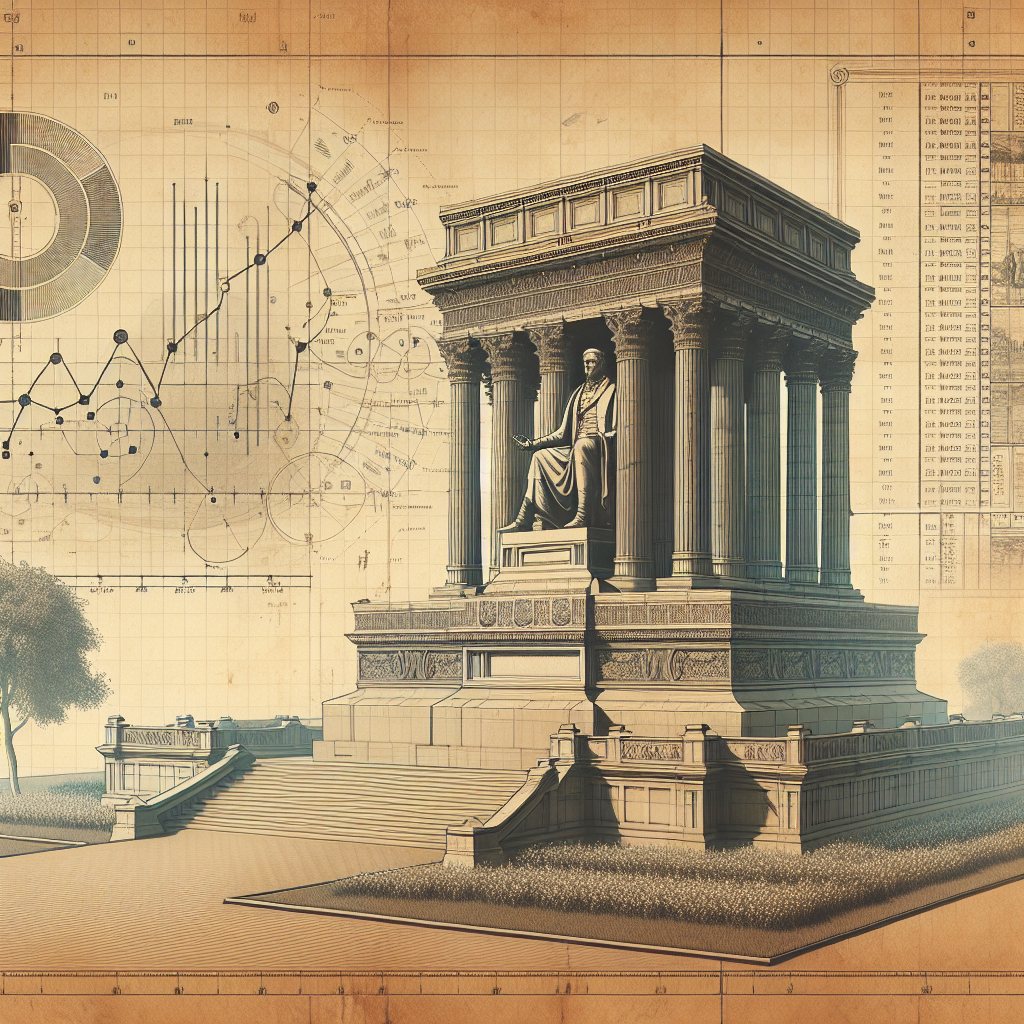

A Grand Tribute: Unveiling the Monument to Victor Emmanuel II
A Colossal Landmark at the Heart of Rome
Picture walking through the bustling streets of Rome, surrounded by ancient relics, vibrant culture, and then suddenly, like an unexpected burst of opera, the magnificent sight of the Monument to Victor Emmanuel II confronts you. Positioned at the historic Piazza Venezia, this grand monument celebrates Victor Emmanuel II, the first king of a united Italy—a significant figure in history. Erected between 1885 and 1935 by the architectural genius Giuseppe Sacconi, this colossal edifice stands as a testament to Italy's turbulent journey towards unification and a reminder of the indomitable human spirit.
The Monument's Symbolism and Architecture
What makes the Monument to Victor Emmanuel II, also known as 'Altare della Patria' or 'Altar of the Fatherland', stand out is not just its size—at an astonishing 135 meters wide and 70 meters high—but its rich tapestry of symbolism and architectural grandeur. Constructed predominantly of white marble sourced from Botticino, its vast scale is both a mark of national pride and an emblem of artistic ambition.
Crowning the monument is an imposing equestrian statue of Victor Emmanuel II. Understandably, this statue becomes the focal point, representing Italy's first king, a pivotal figure in the Risorgimento—the movement for Italian unification. The statue's proud stance is echoed by the surrounding allegorical statues that symbolize the regions of Italy, further highlighting the theme of unity.
Unveiling Historical Contexts
Understanding the Monument to Victor Emmanuel II entails a journey deep into Italy's history, a fascinating tale marked by passion and perseverance. Once fragmented into various states and under foreign domination, Italy's 19th-century unification was nothing short of a miracle, powered by visionary leaders and ordinary citizens alike. Victor Emmanuel II, hailing from the House of Savoy, wore the crown of Sardinia before spearheading this unprecedented unification process.
Giuseppe Garibaldi, with his red-shirted warriors, alongside the political acumen of Count Camillo di Cavour, were instrumental in orchestrating the Italian unification. The monument's narrations echo their contributions and that of numerous Italians who toiled for a unified nation, an ode to collaboration and national fervency.
Blending Art and Functionality
The monument is not merely a visual spectacle but a living space, housing the Museum of Italian Unification ('Museo del Risorgimento'), which is a treasure trove for history enthusiasts. As you wander through the museum, the saga of Italy unfurls before your eyes through artifacts, paintings, and documents—each recounting a story of challenges and victories.
Furthermore, the upper levels of the monument provide a panoramic view, offering visitors a unique vantage point to admire Rome in its entirety. The rooftop, accessible via a glass elevator, is a favorite spot for photographers and romantics alike, blending urban beauty with historical wonder.
The Eternal Flame, A Nation's Heartbeat
One of the most poignant elements of the Monument to Victor Emmanuel II is the Tomb of the Unknown Soldier. This solemn space is guarded impeccably by soldiers, reminding us of those who laid down their lives in the name of freedom and unity. Positioned near the Eternal Flame, this homage is not just to the past but a constant whisper to the conscience of contemporary society, urging reflection on the principles of democracy and peace.
Celebrating with the People - Events and Gatherings
Every year, the monument serves as a central stage for Italy's National Day celebrations, resonating with the joy and pride of an entire nation. The monument is not just an architectural achievement but a site of collective memory and celebration. During these times, the monument is adorned with traditional parades and ceremonies, making it an epicenter of patriotic fervor.
Embracing Modern Identity with Heritage
While some may critique its expressive style as excessive, the Monument to Victor Emmanuel II is undeniably woven into the cultural fabric of Rome. It stands resolutely as a melding of the old world and the new, embracing Italy's ancient heritage while looking towards a modern identity.
For visitors and locals alike, whether pausing in contemplation, snapping photographs, or simply enjoying a gelato on its steps, the monument represents more than just stone and marble. It embodies the ethos of a nation—echoing narratives of struggle, unity, and the enduring ability of humanity to shape its destiny.
In conclusion, the Monument to Victor Emmanuel II is not just a celebration of a king, but of the human spirit and Italy's path to becoming a unified country. It beckons to us, an invitation to reflect on our shared histories and the limitless potential of unity in diversity.