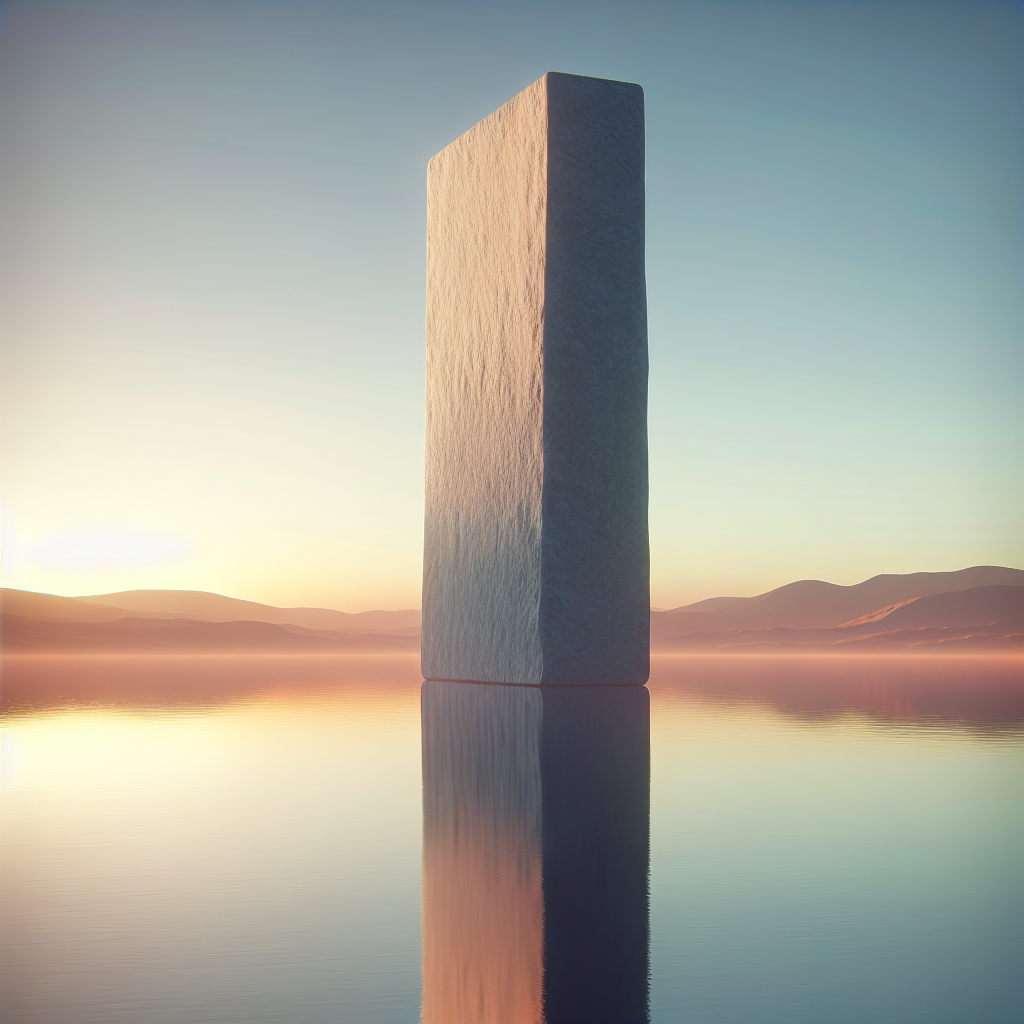

When you hear the word "monolith," you might picture ancient stones standing sentry over mysterious lands. Surprisingly, 'Monolith, California' shares this evocative name but tells a story rooted in American industrial ambition and natural wonder. So, let's embark on a journey to explore the remarkable narrative behind Monolith, an unincorporated community in Kern County, California. This little-known place holds tales of a bustling past linked to cement production that shaped the landscapes we traverse today.
The Industrial Birth of a Monolith
Situated nine miles east of Tehachapi, Monolith might not immediately catch your attention, but its origins are significant. Established in the early 20th century as a cement plant, its creation was a testament to human ingenuity and perseverance. In 1908, the Los Angeles Aqueduct project required vast amounts of cement, and Monolith became the ideal spot for this production, thanks to its abundant limestone deposits. With an industrial heartbeat, this community emerged as an essential cog in Southern California’s urban expansion.
Why Monolith?
Choosing Monolith wasn't arbitrary. The area's geological richness, primarily in the form of high-quality limestone, made it a prime candidate for cement manufacturing. This accessibility to raw materials reduced transportation costs and facilitated the swift production rates necessary to meet increasing demand. The presence of a nearby railroad further cemented Monolith's suitability, ensuring seamless delivery of products to various construction sites across California.
From Bustling Industrial Hub to Quiet Respite
For several decades, Monolith thrived, producing cement that literally laid the foundation for sprawling cities. The early to mid-1900s saw this community bustling with activity—workers, machinery, and ambitious projects harmonizing in a dance of progress. However, as with many facets of industrial history, change was inevitable. By the latter half of the century, operational shifts and economic factors led to a decline in the plant's production activities.
Today, Monolith stands quieter, its past grandeur whispering through the structures that remain. This shift echoes a broader theme in humanity's journey: adaptation. While its role in cement production waned, Monolith continues to play a role as a historical testament to human ingenuity.
Geological Wonders Alongside Human Enterprise
Monolith is not just about industry; it is a gateway to geological marvels waiting to be explored. The landscapes around this area are fascinating. The Tehachapi Mountains provide a breathtaking backdrop, their rugged beauty a reminder of the natural forces that shaped the land.
Moreover, for geology enthusiasts like myself, the region offers a chance to study some extraordinary rock formations and tectonic activities. This convergence of industrial and geological history makes Monolith a uniquely compelling site for learning and exploration.
What's in a Name?
It's worth pondering the symbolic power of the name "Monolith." Despite its industrial roots, the term evokes thoughts of monumental, enduring strength. This symbolism reflects not only the physical properties of cement but also the enduring spirit of the people who worked and lived here. Every block of cement produced was a testament to the strength and ambition of a community that, in its way, moved mountains.
The Future of Monolith
Today, while Monolith's industrial machinery might be mostly silent, its story remains relevant. It illustrates the intricate dance of progress, environment, and community. As we plan future urban growth and infrastructure development, the lessons learned from places like Monolith can guide more sustainable and harmonious practices.
In an era where the carbon footprint of industrial activity is under scrutiny, revisiting the methods and practices of places like Monolith can provide valuable insights. What if future urbanization projects could mirror Monolith’s original harmony of resource proximity and production efficiency, but with a contemporary twist of ecological mindfulness?
Visit Monolith: A Journey Through Time
For those bitten by the travel bug and a love for history, Monolith offers a glimpse into the past—a chance to stand where ambitious humans once imagined their future. Visiting this community provides a tangible connection to the industrial giants of yesteryear, who played a part, no matter how quietly, in shaping our modern landscapes.
In the end, Monolith, California, is a reminder of the layered narratives that exist in unexpected places. It's a testament to human creativity, adaptation, and the continuous pursuit of progress. As we look forward, let us carry aboard the lessons and visions of those who came before us, blending them with current innovations to forge a future that honors the legacies we've inherited.
Join me in discovering the unexpected tales like that of Monolith, where the past meets the present in a quiet dialogue of resilience and dreams.