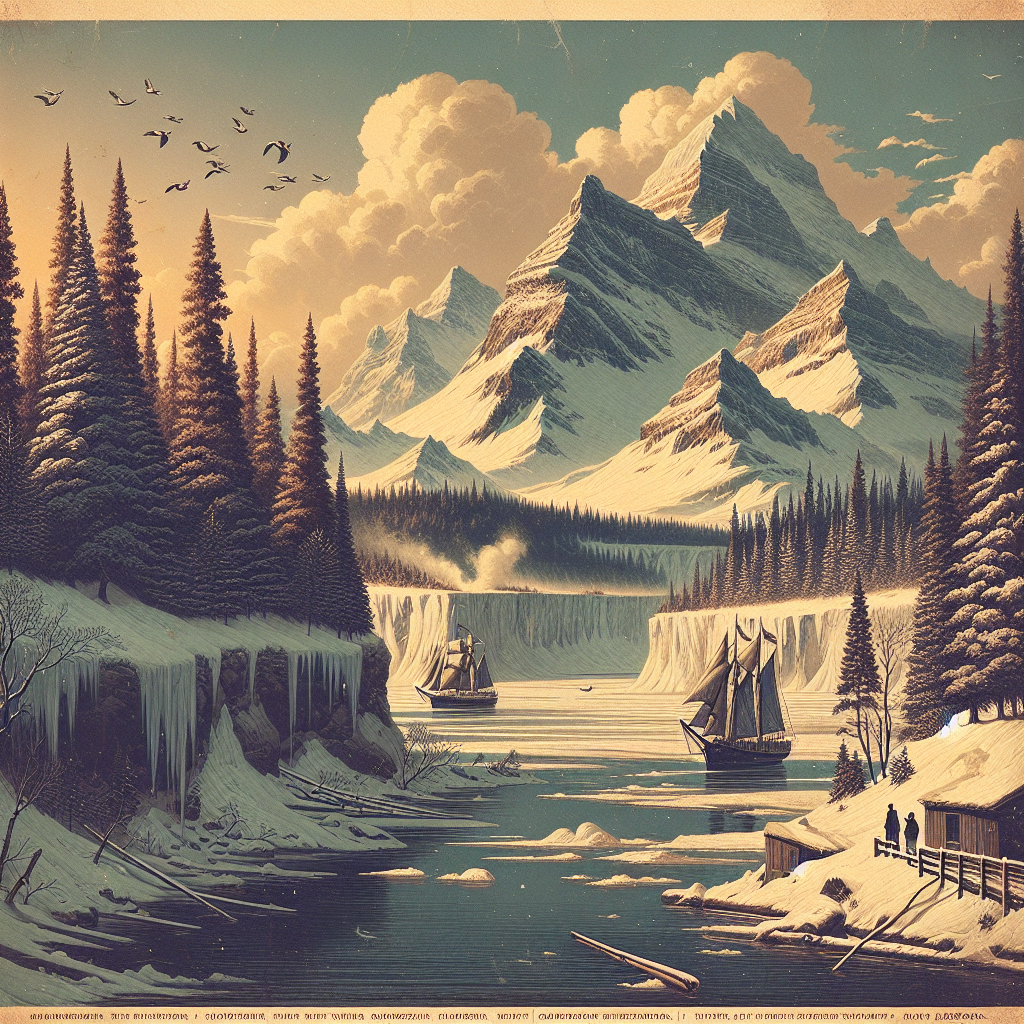

Minnesota frost is not just a feature of the local climate; it’s a fascinating phenomenon that intertwines art, science, and survival in one crisp, icy tapestry. Every year, from late fall to early spring, Minnesota transforms into a frosty wonderland where nature plays a captivating game with ice and temperature, affecting life in myriad ways. But what exactly is this frost, where can you best experience it, and why does it matter?
Frost occurs when temperatures plummet to levels below freezing, allowing moisture in the air to deposit directly as ice crystals on surfaces like leaves, windows, and roads. Minnesota’s geographical location and climate make it a prime candidate for frosty mornings, especially thanks to its northern latitude and large annual temperature fluctuations. From the hustle and bustle of the Twin Cities to the serene landscapes of the Boundary Waters, frost blankets the state in beauty and curiosity.
The Science of Frost: It’s Cooler Than You Think
To truly appreciate Minnesota frost, let's explore the science behind it. Frost forms under specific conditions when the air temperature near the ground dips to 32°F (0°C) or below, while the surface temperatures of objects like grass or leaves drop below the dew point. This process, known as deposition, occurs without moisture transitioning through a liquid state. Instead, water vapor converts directly into ice, creating intricate patterns and formations that can dazzle even the most casual observer.
This process is influenced by various factors such as atmospheric pressure, humidity, and wind conditions. On calm, clear nights, radiative cooling allows temperatures to decrease significantly, contributing to frost formation. Imagine the Earth as it emits heat into the clear night sky, losing warmth and causing the grass or roads to become icy playgrounds for those minute ice crystals.
Why Frost Matters in Minnesota
Frost isn't just visually appealing; it holds significant importance for Minnesota’s environment and economy. The state's rich agricultural lands rely heavily on frost cycles. For farmers, frost is a crucial factor in crop planning and yield prediction. Late spring frosts can threaten emerging crops, while early frosts in autumn may limit the growing season. Thus, understanding frost patterns is pivotal for maximizing food production.
Wildlife in Minnesota has adapted to the frosty conditions as well. Animals like the white-tailed deer or the snowshoe hare owe their survival to evolutionary adaptations that allow them to thrive despite the cold. These creatures have developed thicker coats or change coloration for camouflage, ensuring they continue the circle of life even when frost reigns.
Exploring Minnesota's Frosty Wonders
If you’re eager to witness frost's magic in Minnesota, there are several spots where frost presents at its finest. Head to the North Shore of Lake Superior, where the combination of water and cold temperatures creates stunning frost-covered landscapes. The lakeside views, adorned with icicles and delicate frost on trees, resemble a scene from a mythical winter story.
Meanwhile, urban frost enthusiasts can enjoy the spectacle in parks like Minnehaha Falls in Minneapolis, where frost makes everyday locations feel extraordinary. The contrast between urban life and natural frost beauty offers a unique aesthetic experience.
The Frost of the Future: What Changes Lie Ahead?
Climate change is altering weather patterns worldwide, and frost in Minnesota is no exception. Scientists have observed shifts in frost and freeze dates, with consequences for agriculture and natural ecosystems. Warmer winters might reduce the frequency and intensity of frost, but this isn’t straightforward; it poses threats and opportunities alike.
While a shorter frost period could benefit farmers with extended growing seasons, it may negatively impact ecosystems dependent on frost cycles. The intricate balance of life adapted to these seasonal quirks could be disrupted, leading to unforeseen challenges.
Let’s Join the Frost Quest!
Delving into Minnesota frost adds an intriguing layer to our understanding of this state’s unique climate. It reminds us of nature’s beauty and fragility, urging us to appreciate and protect the natural world. Whether you’re a scientist, a budding naturalist, or just someone who relishes those crisp winter mornings, Minnesota frost offers a gateway to explore the harmonious dance between frozen water and life.
As winter approaches, let's celebrate and investigate the frosty wonders that Minnesota holds. Together, we can learn not just from books, but from the world around us, pushing humanity toward more mindful and informed interactions with our environment.