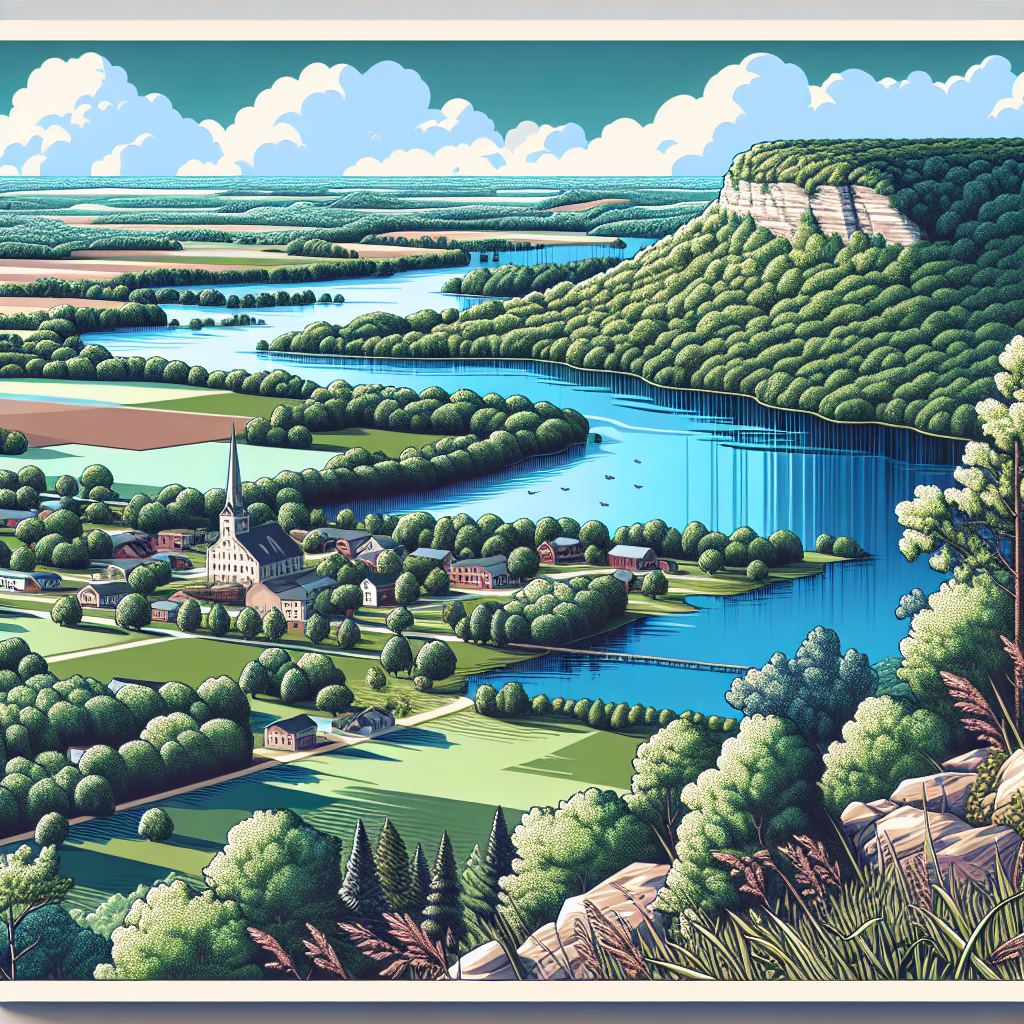

Unlocking the Wonders of Manitou County: Michigan's Hidden Gem
Pack your bags and prepare to unlock the secrets of Manitou County, Michigan—a place where history, nature, and community intertwine in the most fascinating ways. But wait, you may be wondering, where exactly is Manitou County? While this question is straightforward, the answer is a delightful tale involving both geography and imagination! So, let's journey through the who, what, when, where, and why of Manitou County's intriguing narrative.
Geography and Historical Background
Nestled in the heart of the Great Lakes, Manitou County doesn't exist as an official county anymore, but its legacy is alive and vibrant on the maps of the past. This area is primarily associated with the Manitou Islands: North and South Manitou Islands, located in Lake Michigan off the coast of the mainland Leelanau County. These islands now form part of the Sleeping Bear Dunes National Lakeshore but were once linked to what was called "Manitou County" back in the 19th century.
Established in 1855 and disbanded in 1895, Manitou County was a hub for various activities including commerce and settlement. The islands served as key points in maritime navigation, laying foundations for historical exploration and resource utilization that continues to intrigue historians and scientists today.
Understanding the Ecosystem
Manitou County may no longer exist in official terms, but the ecology and environment it stood for are very much alive. The Manitou Islands offer an astounding glimpse into the biodiversity of the region. From towering dunes to lush forests, these islands present diverse habitats that are home to species endemic to the area, as well as numerous migratory birds.
A particularly fascinating feature is the existence of unique plant species like the Pitcher's Thistle, a rare plant native to the sand dunes of the Great Lakes. The islands also support diverse aquatic ecosystems driven by the dynamic interactions between the lake’s currents and the island’s terrain. This biological richness makes it a thrilling spot for biologists, hikers, and nature enthusiasts alike.
Unraveling the Mystery of Human Influence
The human history of Manitou County is just as diverse as its environment. Native American tribes originally inhabited this region, with the islands featuring in many indigenous narratives and traditions. European settlers began to leave their footprints in the mid-1800s, engaging in logging and the agricultural endeavors necessary to thrive in such lush lands.
One significant remnant of human history is the village of Glen Haven, on the mainland near the islands. Originally a logging camp that evolved into a farming community, Glen Haven offers historical insights into the challenges and opportunities faced by settlers in the region, bearing remnants in the form of restored buildings and an old cannery.
Modern-Day Attractions
Today, visitors to the Sleeping Bear Dunes National Lakeshore can enjoy a variety of activities that cater to diverse interests. Whether you're interested in hiking, swimming, or simply soaking in the grandeur of natural landscapes, Manitou Islands offer it all. Challenges like the Dune Climb promise exhilarating experiences with a natural panoramic reward, while kayak tours around the islands reveal the stunning coastline from a unique vantage point.
History enthusiasts will also find excitement in activities like exploring the restored Glen Haven village. Don't miss the Maritime Museum, which highlights the life-saving operations conducted by the U.S. Life-Saving Service in the region.
Community and Conservation Initiatives
Thanks to the efforts of both locals and conservationists, the cultural and ecological integrity of the Manitou Islands remains protected. The National Park Service manages the area, implementing conservation projects aimed at preserving native wildlife, restoring habitats, and sustaining historical buildings for future generations.
Efforts to tackle challenges like invasive species are ongoing, emphasizing community involvement. This collaboration not only reflects humanity's diligent protection of its historical treasures but also showcases the optimistic outlook towards conserving nature's grandeur and legacies for future learning and enjoyment.
Conclusion: A Bright Future for Manitou County's Legacy
While Manitou County might be a forgotten political entity of the past, its essence follows a truly scientific journey—surviving, adapting, and teaching us lessons of cohabitation with nature. Manitou County presents much more than just geographical delight; it serves as an educational springboard for those curious about ecosystems, history, or merely the enriching experience of human-nature interaction.
With relentless sincerity and the optimism that defines the human spirit, we can continue to explore, understand, and admire the natural and cultural wonders of places like Manitou County. Each visit returns us not just with memories but with newfound knowledge and appreciation for the planet we share.