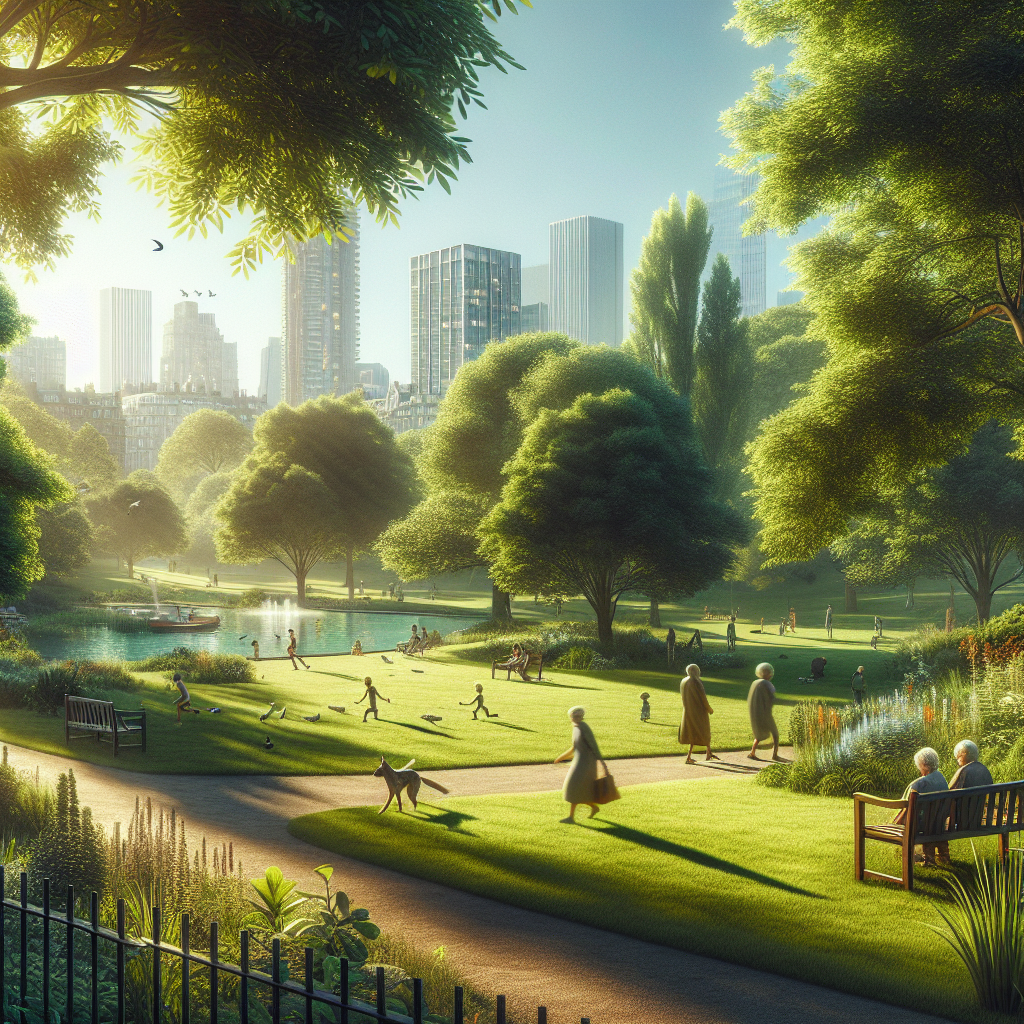

Who let the parks out? Madison, Wisconsin did, and it’s the best decision ever!
Nestled in the heart of Wisconsin, Madison Parks is a vibrant tapestry interwoven with the city's cultural, recreational, and natural fibers. The concept that sparked into existence in the late 19th century as Madison blossomed, has today evolved into a network of over 270 parks. These parks not only provide spaces for community engagement and environmental stewardship but also serve as critical wildlife corridors and recreational havens in the city's urban and suburban landscapes. Visitors and residents find in these parks a myriad of activities year-round, ranging from quiet contemplations by the lake to heart-pumping athletic contests across expansive sports fields.
The Green Lungs of Madison
The importance of parks cannot be understated; they are the green lungs of our urban environment, and Madison Parks is a prime example. With an impressive expanse of over 6,000 acres, these parks include serene lakeshores, dynamic playgrounds, and verdant hiking trails. Places like the beautiful Olbrich Botanical Gardens, with its stunning conservatory and themed gardens, offer delightful floral spectacles year-round. Sports enthusiasts, on the other hand, might find themselves gravitating towards Warner Park's extensive facilities or enjoying a game at Breese Stevens Field. With such diverse offerings, these parks unite the community by providing something for everyone.
A Place for Learning and Adventure
Madison Parks are not just about natural beauty and recreation; they play a pivotal role in education and community awareness. Whether it’s the guided nature walks that unravel the ecological tapestry of the region or the interactive programs offering hands-on experiences to budding conservationists, Madison Parks puts learning at the forefront. Programs at the Aldo Leopold Nature Center, for instance, immerse visitors in environmental science and sustainable practices, sparking curiosity and encouraging stewardship among youth and adults alike.
Seasonal Splendor
What’s most exciting about Madison Parks is how they transform with the seasons, each bringing a new palette of activities and aesthetics. In the warm embrace of summer, beaches like those at Vilas Park teem with families and laughter as kayakers glide serenely on the lakes. Come autumn, the parks explode in a riot of colors, as tree canopies turn golden and trails become magical paths to wander. Winter is no less fascinating, as frozen lakes host ice skating, and trails become tracks for cross-country skiing. Even the coldest months, when thaw precedes the gentle rebirth of spring, parks remain centers of vitality with community events and winter sports.
The Community Connection
Think of Madison Parks as the communal spine of the city, knitting together neighborhoods with shared experiences and enriching events. From summer concerts at Wingra Park to outdoor movie nights under the stars, these parks change landscapes of solitude into vibrant tapestry of social connections. Events hosted here not only cater to entertainment but also serve as assembly points for civic instruction and community engagement, building social bonds and a sense of unity within the populace.
Ecological Guardianship
Beyond recreation and community, the parks fulfill critical ecological functions. Madison Parks are habitat havens, promoting biodiversity and providing refuge to numerous native species. These green patches act as corridors for wildlife, allowing safe passage and habitation amidst urban encroachments. Efforts to restore and manage prairies, wetlands, and forested areas within these parks help bolster the city’s ecological health, ensuring a balanced urban ecosystem.
Economic and Health Benefits
On the practical side, Madison Parks bolster property values and attract tourism, contributing significantly to the local economy. The parks are a vital draw for families and businesses seeking vibrant, sustainable communities. Besides the economic impact, these parks contribute to improved public health by providing venues for physical activities and mental relaxation. Research consistently shows that access to nature positively affects well-being, and Madison takes this seriously by ensuring parks are accessible, welcoming, and abundant.
Future Prospects
Looking forward, Madison Parks will need to navigate challenges such as climate change, urban expansion, and resource management. The focus will be on innovation, integrating sustainable practices, and community involvement to preserve these crucial green spaces amid evolving urban dynamics. Initiatives to expand green parks, enhance their role in sustainable urban planning, and boost their resilience against environmental shifts paint an optimistic future. The joy and wonder these parks bring, tethered to the city’s forward-thinking ethos, ensure that Madison continues to flourish, green and inclusive.
Much like the city itself, Madison Parks is a dynamic and ever-evolving story of green spaces at the heart of human activity, offering a trove of experiences that is both enlightening and invigorating. As you explore these parks, each step through the lush scenery is a joyful leap into the realm of nature’s possibilities, rekindling the innate connection between humans and the environment.