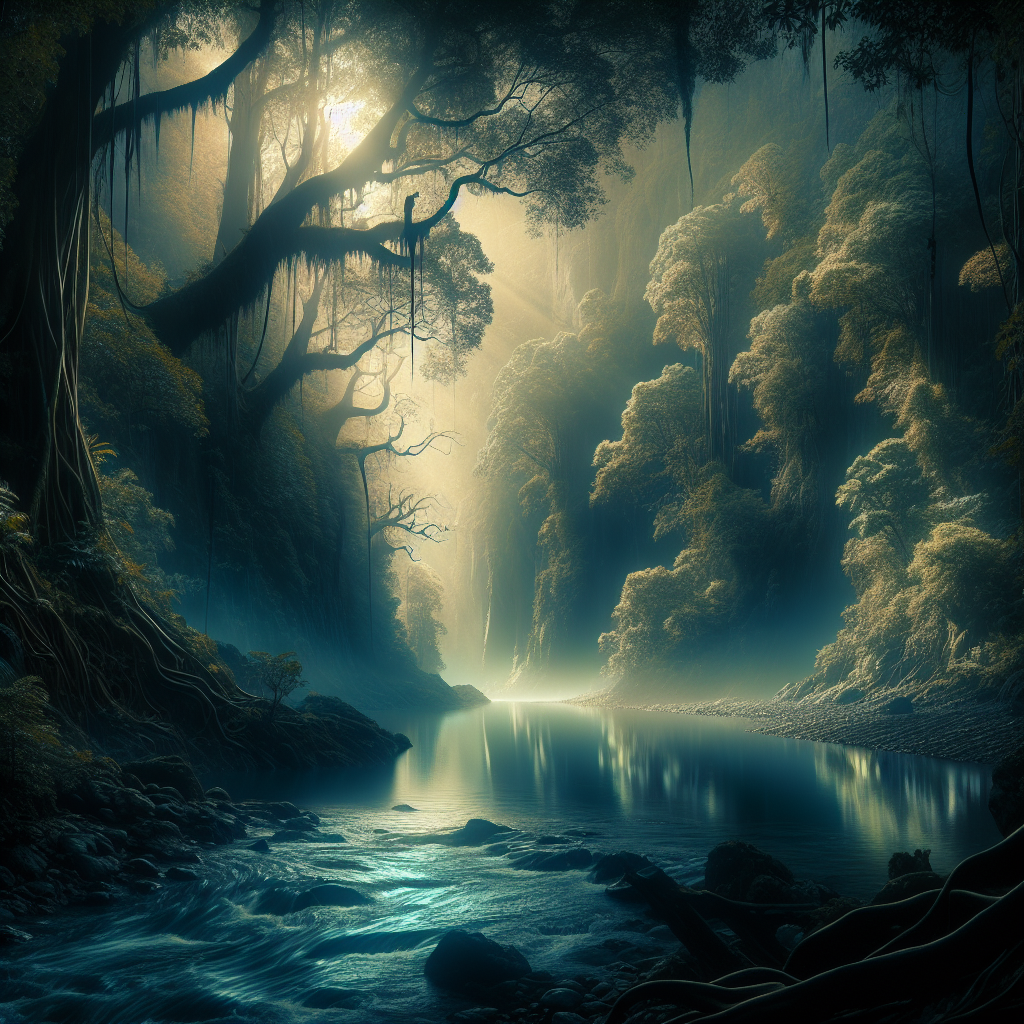

Link River, a name that may conjure images of a movie franchise or perhaps a legendary journey, is quite extraordinary in its own right. Nestled in the picturesque landscape of Klamath County, Oregon, this one-mile-long river plays a crucial role in the environment by connecting Upper Klamath Lake to Lake Ewauna on the Klamath River. First recorded by explorers in the mid-1800s, Link River is an ecological marvel worth exploring not just for its historical significance but its ongoing contribution to biodiversity and hydrology.
A Walk Through History
The Link River's discovery can be credited to European explorers and settlers during the great westward expansion of the United States. While the river is naturally short in length, its impact is significant. Historically, Native American tribes such as the Klamath and Modoc people relied heavily on the Link River for fishing and travel. The construction of hydropower facilities has since transformed the river into a hydroelectric lifeline for the region, managing water flow and serving as an economic driver.
Hydrology and Ecology: A Complex Interplay
Link River might seem like a modest body of water, but its hydrology is complex and fascinating. The river facilitates water flow between two vast bodies of water, which, intriguingly, supports a diverse range of species. Known as a ‘link’ for this reason, the river ensures that ecosystems connecting the upper and lower lakes remain vibrant.
The river's unique topography allows it to transport nutrients and sediments, which contribute to the life cycles of aquatic species like trout and the endangered Lost River and Shortnose suckers. Researchers have been studying these fish to understand better how protected murrelet populations are impacted by human activities.
The Impact of Dams and Hydropower
Around the early 1900s, the construction of dams along Link River began to harness hydropower capabilities. While this has offered immense power benefits, it's also critical to recognize the ecological influences. Dams regulate water levels, which can be both a blessing and a curse, impacting fish migration and vegetation. However, recent initiatives aim to balance these needs, utilizing technology to create fish ladders and improved water flow systems that minimize ecological disruption.
A Natural Haven: Flora and Fauna
The river doesn’t merely serve hydroelectric functions; it's a cradle to an amazing range of wildlife. The surrounding areas are rich in biodiversity, making it an excellent spot for birdwatchers and naturalists. Avian species such as bald eagles, ospreys, and blue herons call this area home.
The flora here is just as compelling, with riparian vegetation that provides crucial habitat and stabilizes the riverbanks. This delicate ecosystem is an excellent example of nature's balance, showcasing the river's role in maintaining healthful natural cycles. Visitors often remark on the striking wildflowers that dot the riverbanks in spring, each playing their part in this harmonious ecosystem.
Conservation Efforts: A Collaborative Vision
Presently, conservationists and local authorities emphasize the importance of ongoing education and awareness concerning Link River’s ecological balance. Water quality monitoring and habitat restoration projects are continually being developed. Community-driven initiatives engage local residents and visitors alike in conservation practices, such as volunteer events for river clean-ups and informed fishing techniques.
Experiencing Link River Today
For those eager to experience the ambiance of Link River firsthand, the surrounding public lands offer hiking, fishing, and photography opportunities. The cool, crystal-clear waters and lush, scenic trails provide both recreation and relaxation.
The power of this short but stunning river exemplifies how powerful links in nature can be. Amidst the rapid pace of modernization, Link River reminds us of the rich, natural tapestry that builds the web of life on Earth. Protecting it means bridging connections between humanity and the marvels of our planet's ecosystems.
As humanity marches forward, learning and sharing knowledge like this about often-overlooked natural wonders might be our best hope for stewardship and survival.