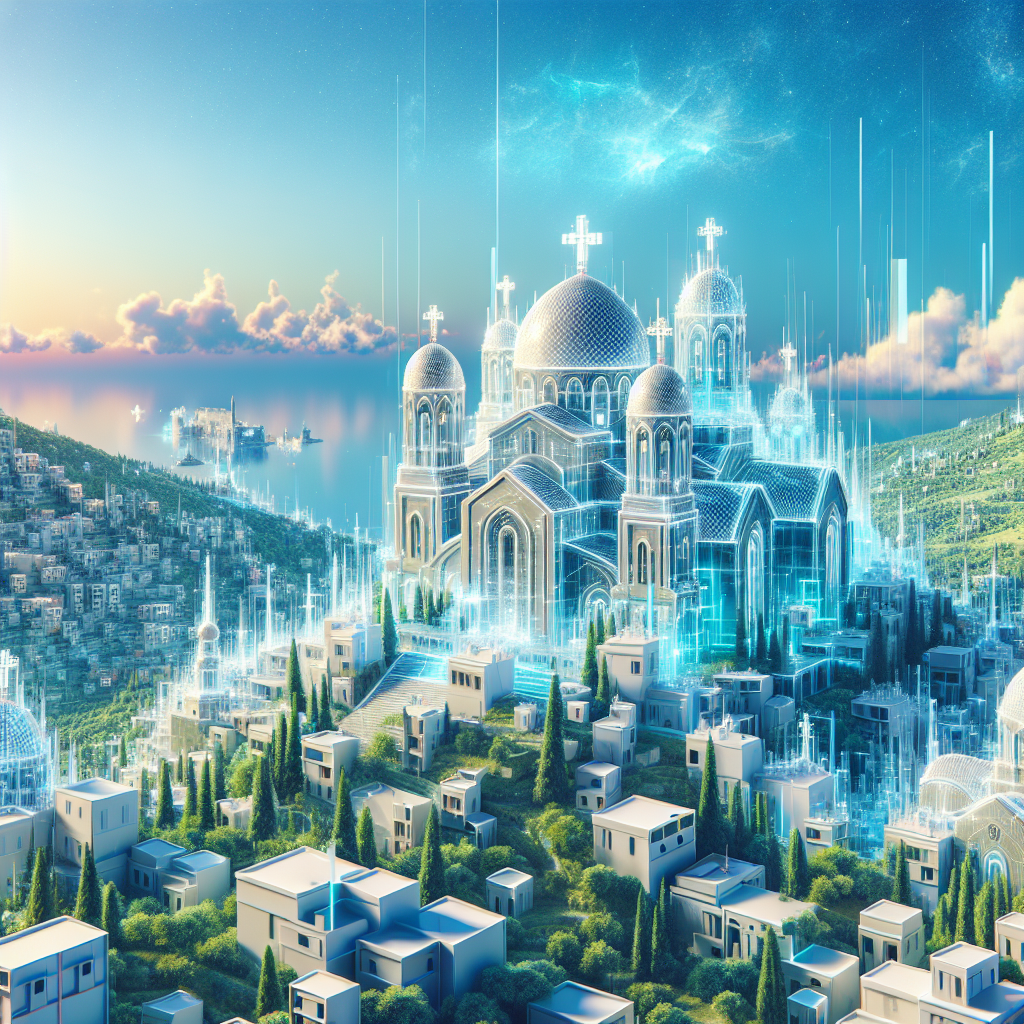

The Fascinating World of Lebanese Greek Orthodox Christians
Imagine a vibrant tapestry woven with threads of history, culture, and faith—this is the world of Lebanese Greek Orthodox Christians. This community, primarily found in Lebanon, is part of the Eastern Orthodox Church, which traces its roots back to the early Christian communities established by the apostles. The Greek Orthodox Church of Antioch, to which they belong, was founded in the first century AD, making it one of the oldest Christian communities in the world. The Lebanese Greek Orthodox Christians have played a significant role in the cultural and political landscape of Lebanon, particularly since the Ottoman era, when they were recognized as a distinct religious community.
Lebanese Greek Orthodox Christians are predominantly located in the coastal regions of Lebanon, such as Beirut, Tripoli, and the Koura District. Their presence is also notable in the mountainous areas, where they have established vibrant communities. The church's liturgical language is primarily Arabic, although Greek is also used in certain religious contexts, reflecting the historical influence of the Byzantine Empire.
The community's rich cultural heritage is evident in their religious practices, architecture, and festivals. The Greek Orthodox Church of Antioch follows the Julian calendar, which means that their religious celebrations, such as Easter and Christmas, often occur on different dates than those observed by Western Christians. These celebrations are marked by elaborate church services, processions, and communal feasts, showcasing the deep-rooted traditions that have been passed down through generations.
Lebanese Greek Orthodox Christians have made significant contributions to Lebanon's social and political spheres. They have been instrumental in the country's educational and cultural development, founding schools, universities, and cultural institutions. Politically, they have been active participants in Lebanon's complex sectarian system, holding various governmental positions and advocating for the rights and interests of their community.
The resilience and adaptability of Lebanese Greek Orthodox Christians are truly inspiring. Despite facing challenges such as political instability and emigration, they have maintained their cultural identity and continue to thrive. Their story is a testament to the enduring power of faith and community, offering a glimpse into the rich tapestry of Lebanon's diverse religious landscape.