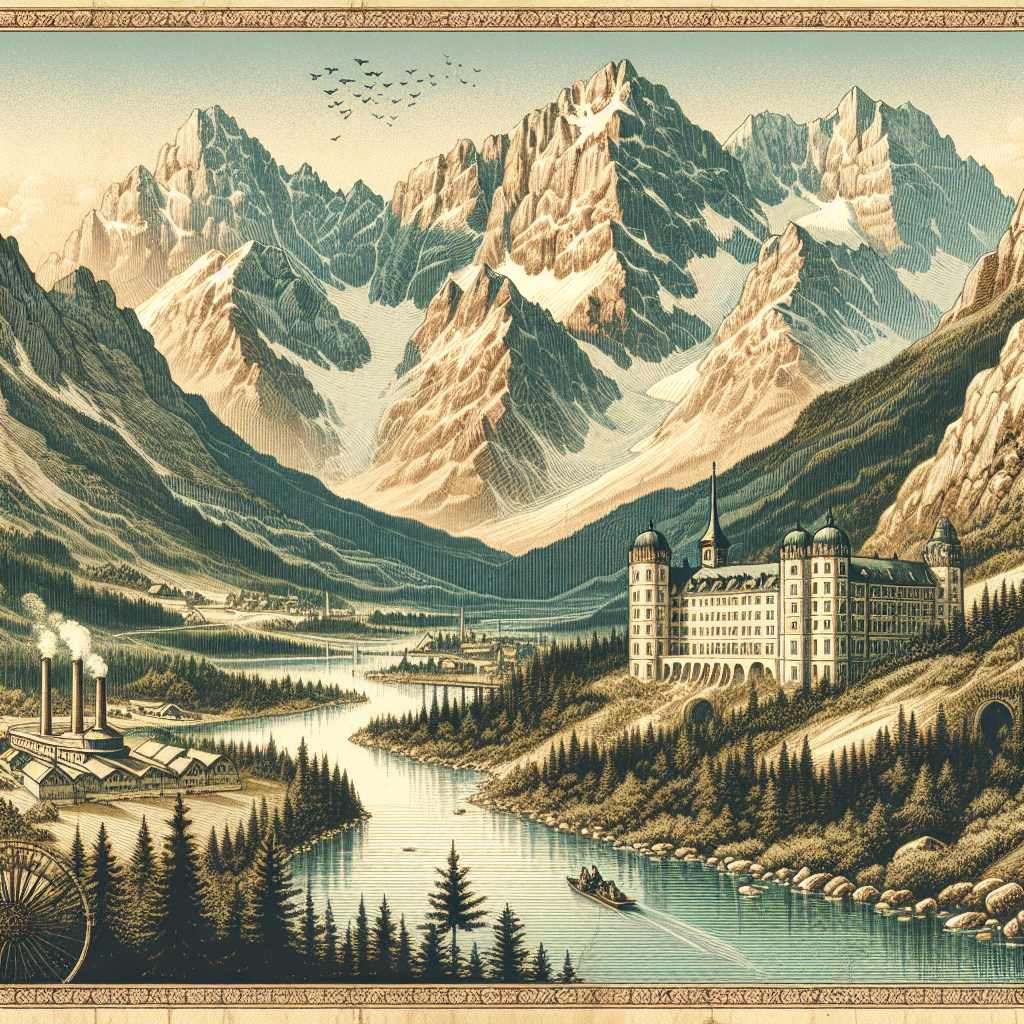

Welcome to the Karwendel!
Imagine a sprawling expanse of rugged peaks, lush valleys, and serene alpine meadows, where the air is crisp, and every corner seems painted by the hand of nature itself. Such is the Karwendel, a splendid jewel nestled in the northern limestone Alps, straddling the border between Germany and Austria. Known for its biodiversity, stunning landscapes, and a haven for outdoor enthusiasts, the Karwendel captivates thousands with its natural charm and scientific curiosity. The Karwendel area began its formation around 250 million years ago, with the rock formations chronicling Earth’s history through limestone layers—making it not only breathtaking but also a geological tale waiting to be told.
A Glimpse into Karwendel’s History
The Karwendel Mountains, first mentioned in 8th-century writings, have long been a source of fascination. Its etymology traces back to a historic figure, Fancalan von Karwendl, highlighting the region's rich cultural tapestry. Throughout history, this stunning landscape has been a retreat for humans, a land shaped by both nature and the passage of time. From early settlers who navigated its treacherous paths to contemporary hikers seeking respite in its tranquil arms, the Karwendel embodies a timeless relationship between human curiosity and the natural world.
Geographical Marvels
Spanning over 900 square kilometers, the Karwendel hosts an awe-inspiring array of features: towering peaks such as the Birkkarspitze—its highest point—endless trails, sparkling springs, and abundant wildlife. This natural reserve, the largest in the Eastern Alps, offers an immersive encounter with nature’s splendor. The series of limestone and dolomite rock formations, crafted during the Triassic period, narrate an ancient geological story. These enigmatic formations not only form the backbone of the Karwendel but also contribute to its ecological richness—a playground for geologists and nature enthusiasts alike.
Biodiversity Amidst the Peaks
The diversity found within the Karwendel is astonishing. Home to a wide range of flora and fauna, this region offers a snapshot of Alpine biodiversity. From the towering edelweiss to the resilient chamois, the ecosystems here are a testament to nature’s adaptability. The biosphere reserve, recognized by UNESCO, is a sanctuary for over 1,300 plant species and 80 bird species. The interplay between microclimates and varying altitudes fosters unique adaptations. The diverse wildlife and plant life underscore the Karwendel’s ecological significance, a vivid reminder of the Earth's resilience.
Trails and Recreation
For those with a spirit of adventure, the Karwendel is a playground of endless possibilities. Whether your passion lies in hiking, mountain biking, or skiing, the options are limitless. The network of trails, like the renowned Innsbruck Trek, invites explorers to experience the magic firsthand. From leisurely strolls along the Isar or the Wild Valley, to thrilling ascents up rugged peaks, each path offers its own narrative filled with inspiring vistas and encounters with nature. Winter transforms the region into a snowy wonderland where activities like cross-country skiing and snowshoeing abound.
Human Connection and Sustainable Tourism
The relationship between humans and the Karwendel is symbiotic. With the rise of sustainable tourism, preserving the area's pristine beauty while allowing people to connect with nature has gained importance. Efforts to limit the ecological impact, such as regulated hiking and designated camping areas, ensure a balance between conservation and exploration. This approach not only enhances visitors' experiences but also supports local communities economically and culturally. Education and awareness campaigns play a crucial role in fostering respect and understanding of this delicate environment.
Scientific Endeavors in the Karwendel
Beyond its recreational appeal, the Karwendel is a rich ground for scientific research. Studies focusing on climate impact, geology, and ecology provide insights that are vital in understanding environmental change. Scientists and students from around the world visit to study its unique ecosystems and contribute to global discourse on biodiversity. The up-close study of glacial retreat, changing vegetation patterns, and animal behavior under shifting climates offers invaluable lessons for sustainable development and conservation strategies worldwide.
Concluding Thoughts on Nature's Masterpiece
The Karwendel is more than just a series of mountains; it’s a vibrant tapestry that weaves together history, natural beauty, and scientific inquiry. From its ancient geological formations to its thriving ecosystems, the Karwendel stands as a testament to the wonders of the natural world. It continues to inspire and educate, a beacon of optimism for those who dream of a harmonious balance between humanity and nature. Whether you’re an adventurer, a scientist, or simply someone who appreciates the quiet grandeur of the great outdoors, the Karwendel offers a unique journey through the heart of the Alps. Dive into the mystery, embrace the beauty, and carry on the spirit of exploration—much like the Karwendel itself, this adventure is boundless.