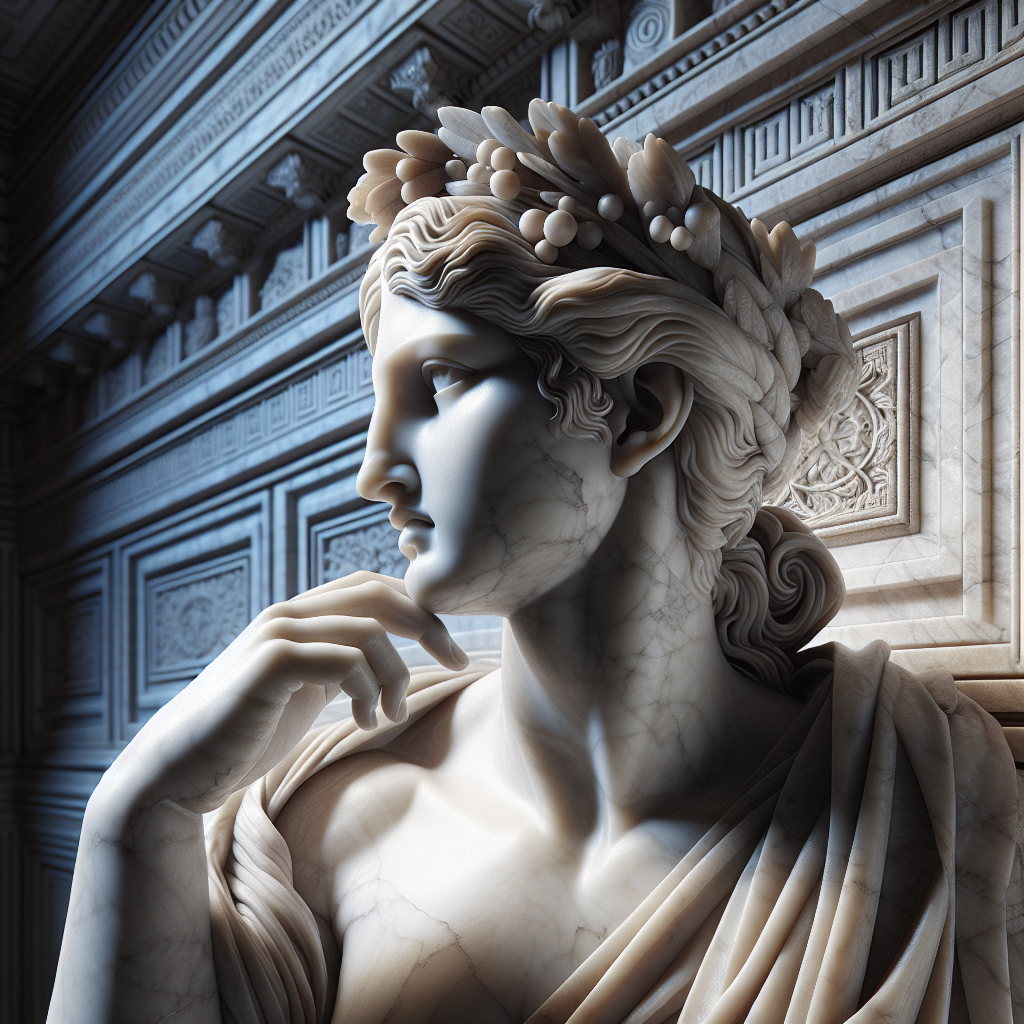

The Artistic Legacy of John Börjeson: A Swedish Sculptor's Journey
John Börjeson, a name that resonates with the elegance of 19th-century Swedish sculpture, was a master of his craft whose works continue to captivate art enthusiasts around the world. Born on December 11, 1835, in the picturesque town of Tölö, Sweden, Börjeson embarked on a creative journey that would see him become one of the most celebrated sculptors of his time. His artistic endeavors took him to various cultural hubs, including Stockholm and Paris, where he honed his skills and left an indelible mark on the art world. But what drove Börjeson to sculpt, and why does his work still matter today?
Börjeson's passion for sculpture was ignited during his studies at the Royal Swedish Academy of Fine Arts in Stockholm, where he was exposed to the rich traditions of European art. His talent was undeniable, and he soon found himself in Paris, the epicenter of artistic innovation during the 19th century. It was here that Börjeson absorbed the influences of neoclassicism and romanticism, which would later define his style. His sculptures, often characterized by their lifelike detail and emotive expression, reflect a deep understanding of human form and emotion.
Throughout his career, Börjeson created numerous public monuments and portraits, each telling a story of its own. One of his most famous works is the statue of King Charles XII in Stockholm, a testament to his ability to capture historical figures with both grandeur and subtlety. His contributions to Swedish art were recognized with numerous accolades, and he became a professor at the Royal Swedish Academy, nurturing the next generation of artists.
John Börjeson's legacy is not just in the sculptures he left behind but in the inspiration he provided to countless artists who followed in his footsteps. His work serves as a bridge between the classical traditions of the past and the evolving artistic expressions of the future. As we admire his sculptures today, we are reminded of the timeless power of art to connect us with history, culture, and the shared human experience.