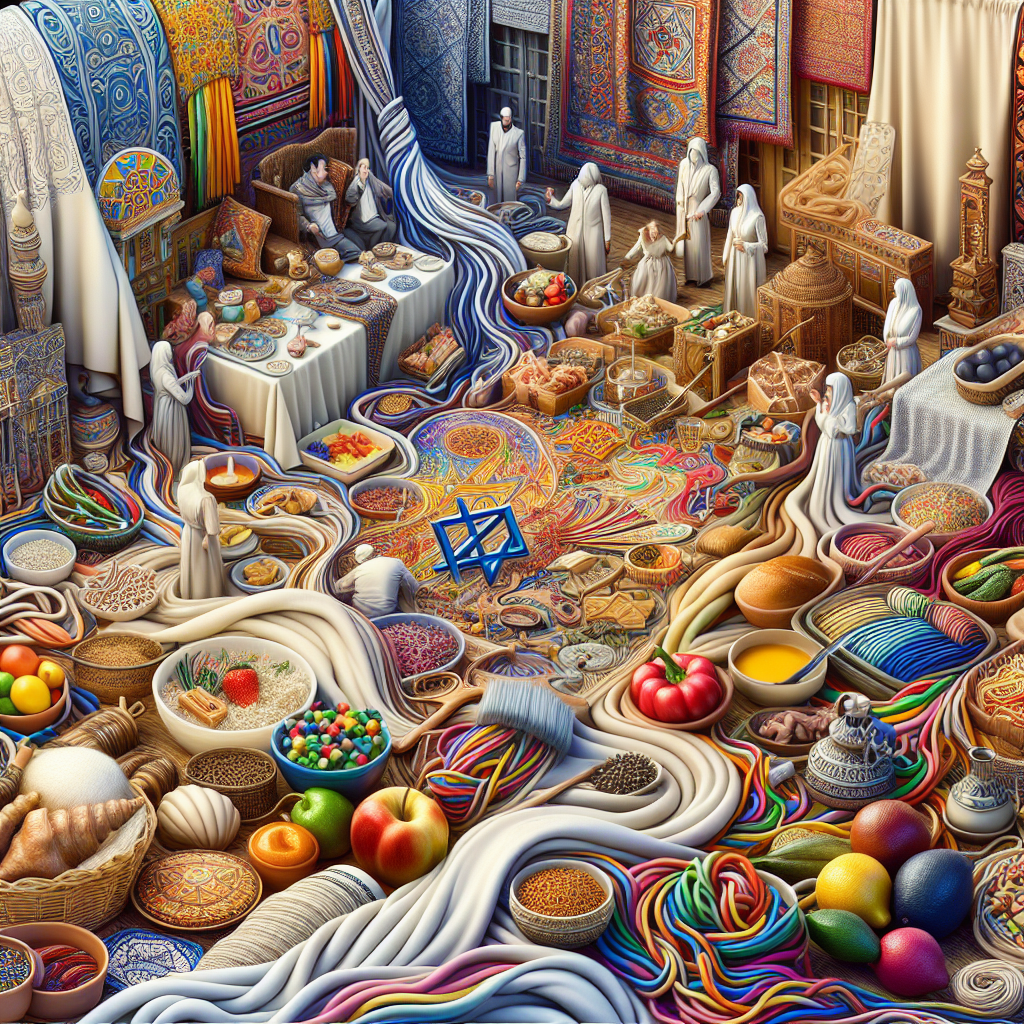

Exploring the Vibrant Tapestry of Jewish Identity
Imagine a kaleidoscope of history, culture, and spirituality, all woven together to form the rich and diverse fabric of Jewish identity. Jewish identity is a multifaceted concept that encompasses the beliefs, practices, and cultural heritage of the Jewish people. It is shaped by a complex interplay of religious traditions, historical experiences, and cultural influences. This identity has been evolving for thousands of years, with its roots tracing back to the ancient Israelites in the Middle East. Today, Jewish identity is expressed in various ways by individuals and communities around the world, each adding their unique thread to this vibrant tapestry.
Jewish identity is not monolithic; it is as diverse as the people who identify with it. It includes religious aspects, such as the observance of Jewish laws and customs, as well as cultural elements like language, art, and cuisine. For some, Jewish identity is deeply tied to religious practices and beliefs, while for others, it is more about cultural heritage and shared history. The Jewish diaspora, which spread across the globe due to historical events like the Babylonian Exile and the Roman destruction of the Second Temple, has further enriched this identity by incorporating local customs and traditions.
The question of "who is a Jew?" has been a topic of discussion and debate throughout history. Traditionally, Jewish identity has been matrilineal, meaning it is passed down through the mother. However, different Jewish denominations and communities may have varying criteria for determining Jewish identity, including conversion processes and patrilineal descent. This diversity in defining Jewish identity reflects the broader diversity within the Jewish community itself.
In modern times, Jewish identity continues to evolve, influenced by contemporary issues such as assimilation, intermarriage, and the relationship with the State of Israel. Many Jews today grapple with balancing their cultural and religious heritage with the demands of modern life. Despite these challenges, Jewish identity remains a source of pride and resilience for many, serving as a connection to a rich history and a vibrant community.
Jewish identity is a testament to the enduring spirit of a people who have maintained their distinctiveness while adapting to changing circumstances. It is a celebration of diversity, resilience, and continuity, offering a unique perspective on what it means to belong to a community that spans both time and geography. Whether through religious observance, cultural expression, or a shared sense of history, Jewish identity continues to thrive, inspiring future generations to explore and embrace their heritage.