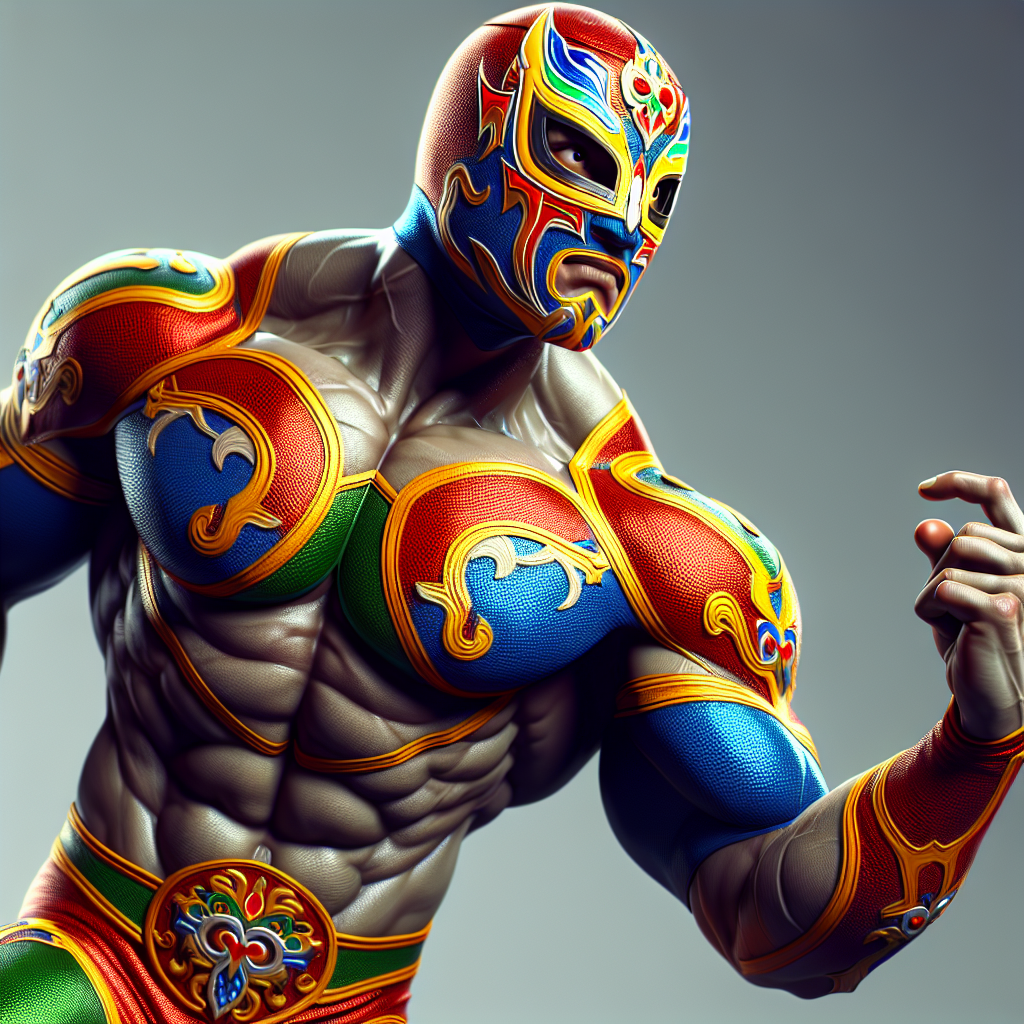

The Enigmatic Figure of Huracán Ramírez: A Dive into Lucha Libre History
Imagine a hurricane wrapped in a mask, charged with vibrant energy, charging into the wrestling ring. Ladies and gentlemen, meet Huracán Ramírez—a character that not only captivated audiences but revolutionized the world of Lucha Libre. Originating in Mexico, this iconic luchador made waves in the wrestling scene starting from the mid-20th century, becoming a symbol of resilience, charisma, and cultural pride.
From the beginning, Jose Rodrigo Canales, the creator and initial performer behind Huracán Ramírez, intended to mystify and entertain. But why did this masked wonder become so integral to the world of wrestling and beyond? Let’s unravel the mystique.
The Birth and Rise of a Wrestling Icon
In post-war Mexico, the economy was booming, and cinema was thriving, opening a new world of escapism for the public. Wrestling, a sport that meshed theatrical performance with athletic prowess, was a natural fit for the big screen. It was in 1952 when the film Huracán Ramírez debuted, introducing a new superhero in the form of a luchador. The character's creator, in collaboration with the skilled wrestler Eduardo Bonada, brought this masked crusader to life. The emblem of Huracán Ramírez was not just a flight of fancy for cinematic entertainment—it soon leveraged into a formidable wrestling persona.
The Style of Huracán: Elegant and Agile
Huracán Ramírez was more than a mere wrestler; he was a symbol of grace in the ring. Known for his fluid movements and high-flying maneuvers, he showcased what later became known as "Lucha Libre style"—a wrestling technique that emphasizes speed, acrobatics, and aerial maneuvers over brute strength. This grace under pressure allured audiences, pulling them into a spectacle of athletic artistry wrapped in shimmering masks and capes.
Beyond the Wrestling Ring: Cultural Impact
What made Huracán Ramírez's persona endure beyond the confines of the wrestling arena? The answer lies partially in the culture of Mexico itself. Lucha Libre has deep roots in Mexican tradition, infusing elements of folklore, cinema, and sports, essentially making luchadors like Huracán Ramírez cultural icons.
Beyond entertainment, masked wrestlers often served as symbols of goodness and fighting spirit, wrapping themselves in narratives that mirrored larger societal struggles, such as combating inequality or injustice. They became heroes for the common folk, stories told around dinner tables and re-enacted in schoolyards.
Moreover, the character of Huracán Ramírez influenced fashion and style. The iconic mask and cape found their way into popular culture, sparking fashion trends and inspiring future generations of luchadors.
The Science of Lucha Libre
On a scientific note, what Huracán Ramírez and his legacy epitomize is a display of biomechanical efficiency and physics in motion. His moves required precise calculations of trajectory and timing, not unlike a well-executed gymnastic routine. For his iconic 'Huracánrana' move—a headscissors takedown that sees the performer flip an opponent with astonishing agility—every action is a textbook example of center of gravity manipulation.
This fascinating symphony of athleticism highlights the importance of understanding physics and biology, even in the realm of entertainment. Athletes like Huracán Ramírez propel our understanding of what the human body can achieve, pushing boundaries as they splash into the dynamics of speed and force.
The Legacy Lives On
The magic of Huracán Ramírez transcended borders and generations. Today, his influence can be recognized in nearly every corner of professional wrestling, especially in the lucha libre wrestling circuits and beyond. New generations of wrestlers, inspired by his agile style and mystique, continue to honor his legacy, maintaining the spirit of creativity and athletic prowess he embodied.
What makes the story of Huracán Ramírez ever so endearing is the dose of optimism and idealism associated with it. It's more than the tale of a masked wrestler; it’s a narrative of hope, performance, culture, and human achievement.
The Spirit of Humanity and Lucha Libre
In the end, the legend of Huracán Ramírez encourages us to view life as a larger-than-life ring where challenges come flying at us from all angles. Yet, with a fist of courage and a heart full of dreams, we, too, can leap off the ropes and flip our adversities down onto the mat. This works as an exhortation to keep learning, keep understanding, and keep fighting—cherishing every moment and every face-off, masked under life’s colorful capes.
In the grand tapestry of sporting legends, Huracán Ramírez reminds us of the beauty in movement, spectacle, and tradition—a tale that inspires currents of hope, much like the hurricane he was named for.