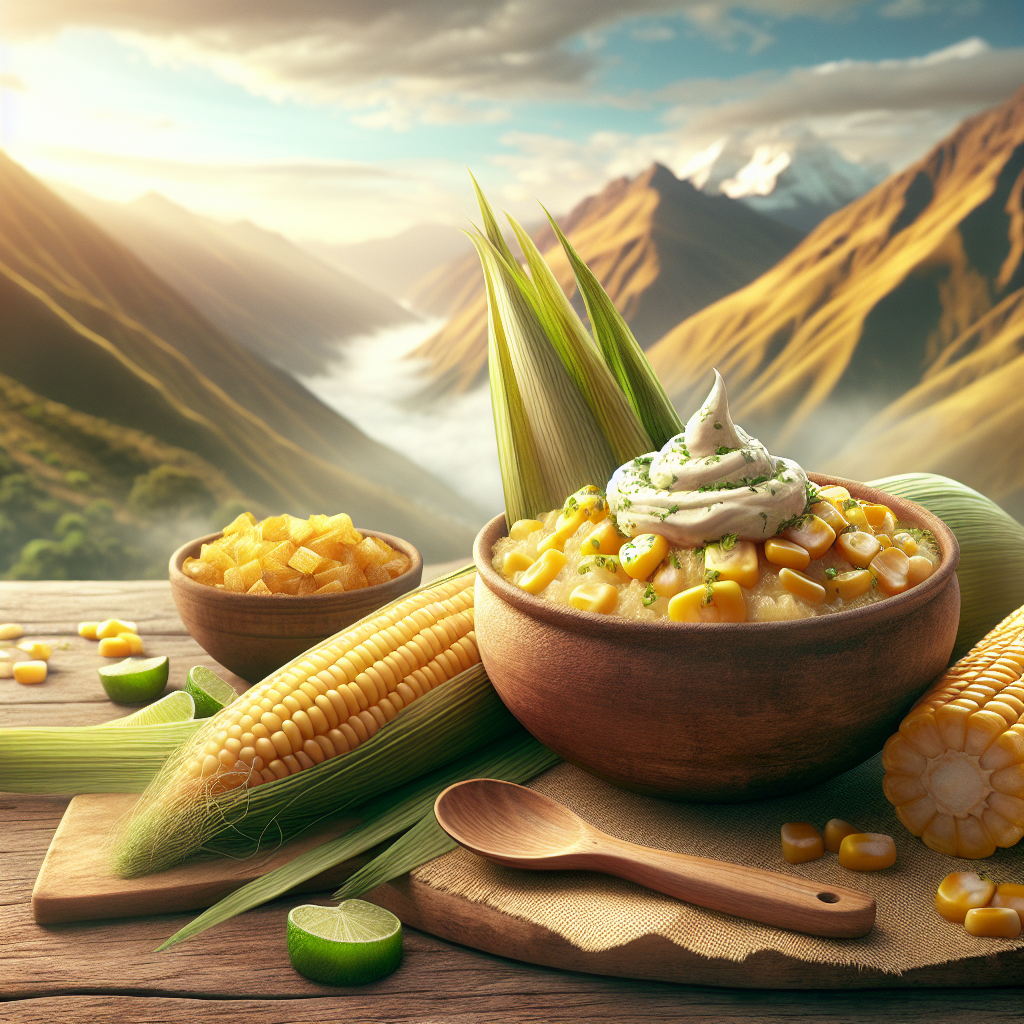

Humita: Where Tradition Meets Taste
Step aside, new-age superfoods—here comes Humita, the ancient Andean dish stirring up the culinary world. Originating from the rural communities of South America, particularly in countries like Peru, Bolivia, Chile, and Argentina, Humita is a heartwarming culinary tradition that has been delighting the palates since pre-Columbian times. Imagine ears of corn picked at their ripe best, ground together with spices, onion, and cheese, then lovingly wrapped in corn husks to steam until tender. This dish is more than just a meal; it’s a bridge across time, connecting us with an ageless heritage.
A Brief History of Humita
How did a dish like Humita manage to stand the test of time? The secret lies in its simplicity and adaptability. The word 'Humita' itself is derived from the Quechua word 'humint'a', closely related to 'huminta', which means to wrap or cover. The ancient Andean civilizations cultivated corn as a staple crop, and Humita was a practical way to utilize this versatile grain. Fast forward several centuries, and a dish that once fueled Andean warriors is today gracing contemporary dining tables.
Ingredients: The Heart of Humita
Let’s break down Humita to its core components. First, we have corn—the undoubted star of the show. For Humita to be truly authentic, freshly harvested corn is essential. Feel free to use frozen corn if fresh is not available, but remember, fresh gives you the real 'bite' of the Andes. Next, there are aromatics like onion and garlic, which form the backbone of its flavor profile. Sometimes, bell peppers and tomato are added for extra depth.
Cheese, varying from the creamy queso fresco to mature cheeses like feta or mozzarella, adds a smooth texture, heightening every bite. And don’t forget the spices! These include staples like cumin and paprika, creating a warming, rustic aroma, while sugar may be tossed in for a dash of sweetness.
The Cooking Process: A Dance with Fire
Cooking Humita is a cultural ritual, a cinematic process engaging all senses. The corn is grated and sautéed with onions and spices until a fragrant, buttery paste is formed. Once this luscious mixture is ready, it’s scooped generously into corn husks, like culinary envelopes, and tied off with strands of husk or kitchen twine.
These neat little packages are then steamed or boiled, depending on family recipes passed down through generations. The slow cooking method ensures that all flavors meld luxuriously, and the end result is soft, aromatic packets ready to transport you back to the Andes with a taste.
Humita Variations and Modern Twists
Like any beloved classic, Humita has spun off into numerous variants. In some regions, a baked version, known as 'Humita en Cazuela', exists. Here, instead of steaming in husks, the corn mixture is poured into a casserole dish and baked, forming a golden crust that’s irresistibly tempting.
The beauty of Humita lies in its adaptability. Modern chefs have embraced this dish, introducing ingredients like exotic mushrooms, spicy jalapenos, or even truffle oil, pushing culinary boundaries while respecting its origins. There's even a sweet version, akin to a corn pudding, that makes for a delightful dessert.
Humita in Culture: More Than Just a Meal
Why is Humita more than just an Andean corn treat? Well, food is culture, and Humita is a celebration of community and history, intertwined with the agricultural lifecycle. It’s a dish typically prepared and enjoyed during communal gatherings, a symbol of sharing and unity.
During the harvest season, entire families gather to prepare Humita, rekindling communal bonds. It’s often served during the festival of Inti Raymi (Festival of the Sun), celebrating the sun god in Incan tradition. These festivities highlight the sense of gratitude for the corn harvest, reminding us of the intimate bond between nature and human sustenance.
The Scientific Wonders of Humita
Science meets tradition in Humita! The dish maximizes the nutritional benefits of corn, an excellent source of carbohydrates and fiber, alongside essential vitamins and minerals like B-complex vitamins, iron, and magnesium. The addition of cheese introduces calcium and protein, making Humita a nutritionally balanced dish that's not just heartwarming but health-smart too.
Why Humita Matters Today
In a world where food is accelerating towards fast, convenient, and often artificial, Humita represents a return to roots—a reminder of the simple joys of farm-to-table eating. It underscores the importance of tradition in our modern lives and offers an optimistic view that sustainable, nourishing food can still be part of our culinary future.
An Ode to Humita
Humita is more than just a food item; it’s a story, a piece of music that resonates with our human story of growth, harvest, and community. An ancient dish adapting to changing tastes, filled with history yet incredibly of the now. So, next time you recreate or imagine Humita, remember you're not just preparing a meal—you're taking part in an ancient, delicious tradition that links us all.