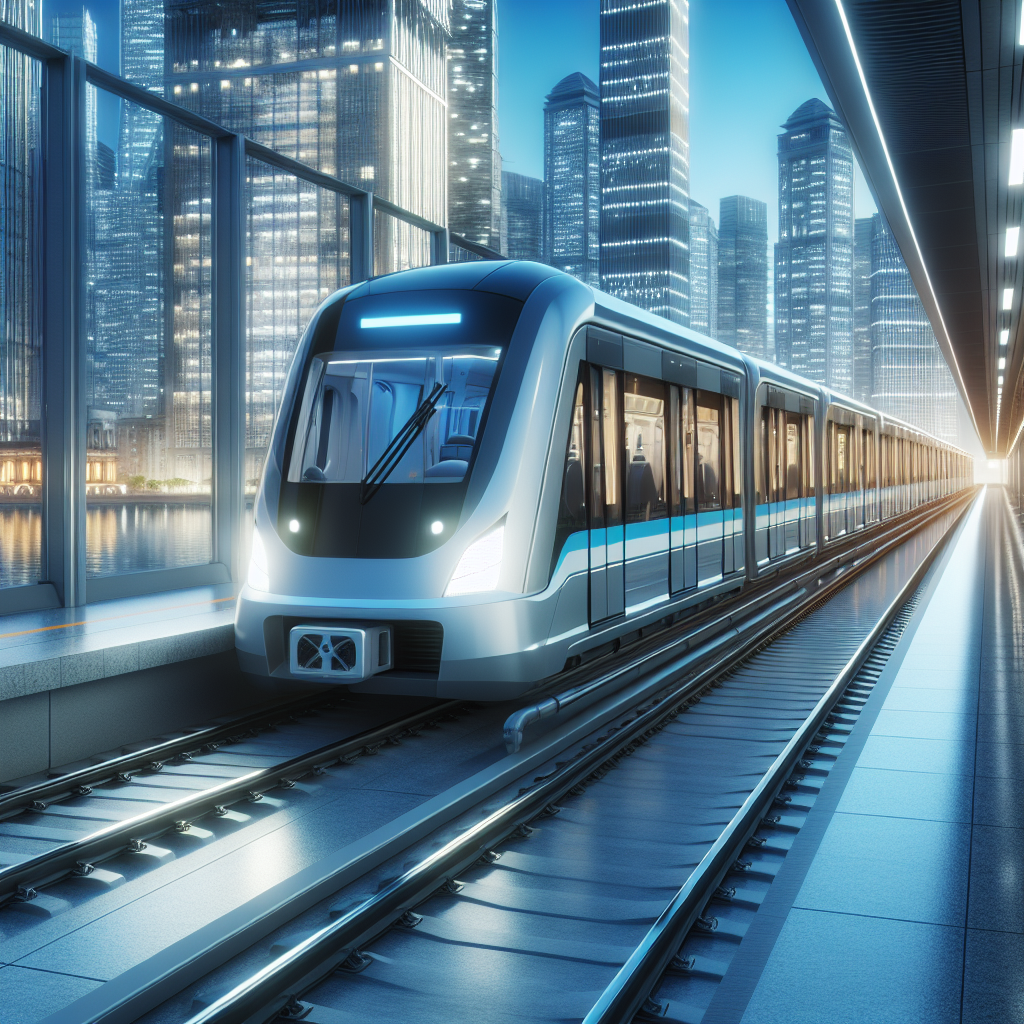

Transforming Public Transit: The Rise of High Capacity Metro Trains
Who says a morning commute can’t be as fascinating as a sci-fi movie? With the advent of High Capacity Metro Trains, urban transportation is stepping into a new era that blends innovation with sustainability. From bustling metropolises like Tokyo and New York to emerging urban centers around the globe, these advanced trains are set to redefine public transit. But what exactly are High Capacity Metro Trains, and why are they capturing the imagination of transit planners and commuters alike?
Imagine a train that not only accommodates thousands of passengers comfortably but also speeds them to their destinations in record time while reducing environmental impact. High Capacity Metro Trains are a paradigm shift in urban transportation, designed to address the rapid growth of city populations and the pressing need for eco-friendly transit solutions. These trains are engineered to carry a significantly higher number of passengers compared to traditional metro systems, thanks to innovations in design, materials, and technology.
The Engineering Marvels Beneath High Capacity Metro Trains
High Capacity Metro Trains boast cutting-edge engineering marvels, from lightweight materials to advanced aerodynamic designs. By utilizing carbon fiber composites and aluminum alloys, these trains reduce weight without compromising strength, resulting in quicker acceleration and reduced energy consumption. This is complemented by their sleek, aerodynamic shapes, which minimize air resistance and further enhance energy efficiency.
Moreover, these trains employ state-of-the-art propulsion systems, such as inverter-driven motors and regenerative braking technology. Inverter-driven motors provide smooth acceleration and deceleration, enhancing passenger comfort while optimizing energy use. Meanwhile, regenerative braking captures energy typically lost during braking and redirects it back to the train's power system, contributing to sustainability.
How Are High Capacity Metro Trains Impacting Urban Mobility?
The most immediate benefit of High Capacity Metro Trains is their ability to ease congestion within cities. With urban populations projected to rise, efficient and reliable public transit systems are essential. These trains, with their increased capacity, help reduce the number of vehicles on the road, cutting down on traffic jams and pollution levels.
Additionally, these trains are designed to integrate seamlessly with existing metro infrastructure, ensuring minimal disruption during implementation. They offer flexible seating arrangements, large standing areas, and improved accessibility for differently-abled individuals, promising a comfortable and inclusive commuting experience.
Innovating for a Greener Tomorrow
Besides their impact on urban mobility, High Capacity Metro Trains significantly contribute to environmental sustainability. By reducing the reliance on car-based travel, they help lower carbon emissions, mitigate air pollution, and combat climate change. Their energy-efficient designs reduce operational costs, providing cities with an economically viable transit solution.
Moreover, many of these trains are powered by electricity sourced from renewable energy, such as solar or wind, reinforcing their status as a green transportation option. Embracing such technologies not only meets the public's rising demand for environmentally friendly solutions but also aligns with global sustainability goals.
Real-World Examples of High Capacity Metro Trains
High Capacity Metro Trains are not merely a vision of the future; they are operational in several cities worldwide. For example, Tokyo’s Yamanote Line, one of the busiest metro systems globally, has integrated high-capacity trains to accommodate millions of daily commuters efficiently. Similarly, Singapore’s Downtown Line features trains with a passenger capacity significantly above average, reducing waiting times and enhancing the overall commuter experience.
China's Beijing Subway and London’s Thameslink route are also noteworthy mentions, with each employing high-capacity trains to support their fast-expanding urban populations. These implementations stand as testaments to the positive impact these trains can have on city transit networks and underscore their potential for widescale adoption.
Challenges and the Road Ahead
Though the future appears bright with High Capacity Metro Trains, certain challenges must still be addressed. The initial financial outlay for these advanced systems can be significant, necessitating careful planning and investment. Coordination between government entities, transport authorities, and private companies is crucial to ensure successful implementation.
Additionally, the requirement for skilled personnel to operate and maintain these sophisticated trains means investment in workforce training is equally essential. Despite these challenges, the potential benefits they offer make them a worthwhile investment for the future of urban transportation.
A Journey of Innovation and Hope
High Capacity Metro Trains exemplify the power of human ingenuity and our ability to craft solutions for the world's most pressing problems. They serve as a beacon of hope, pointing to a future where technology and sustainability coexist harmoniously. By transforming our cities into models of efficient, green living, these trains are not only enhancing the quality of urban life but also paving the way for a cleaner planet for generations to come.
As cities continue to innovate with public transit systems like High Capacity Metro Trains, they offer us all a compelling glimpse into the future—a future where your daily commute might just be the most exciting part of your day!