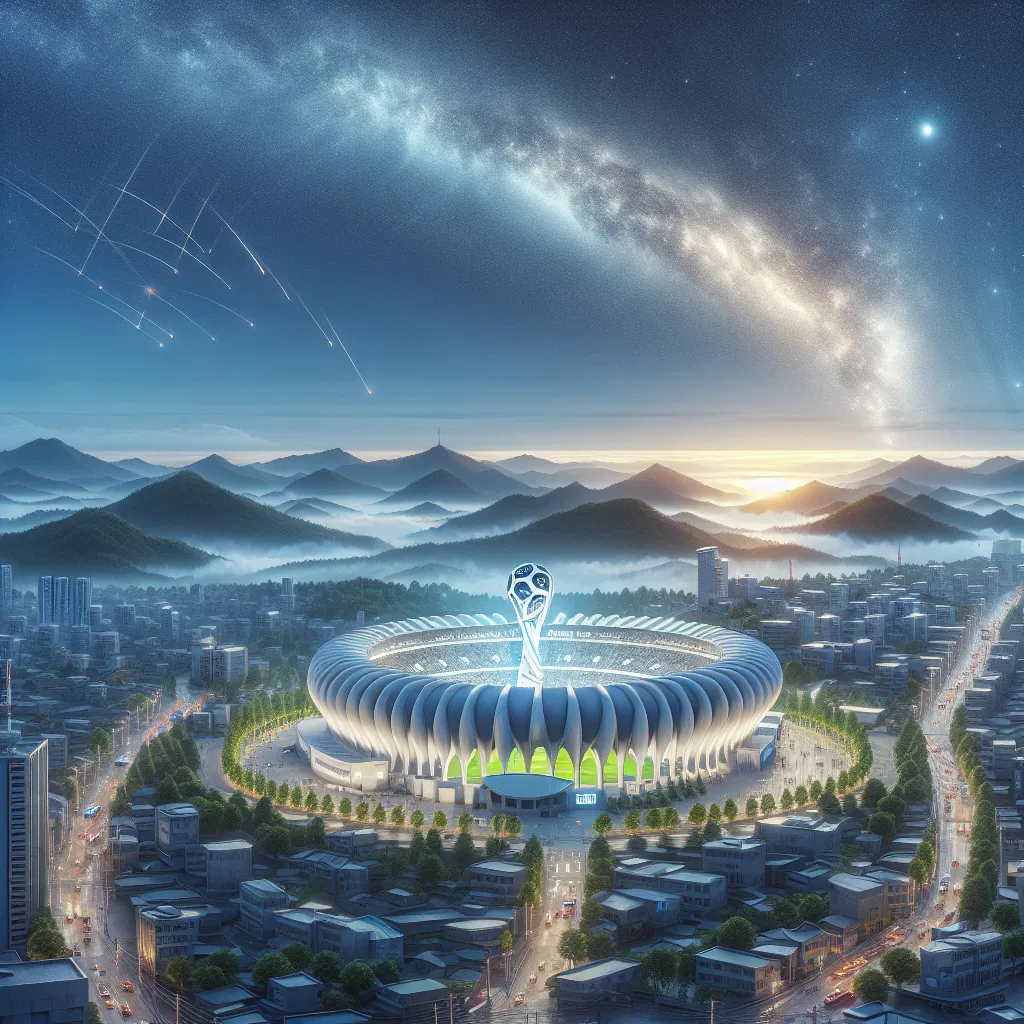


Picture this: Adrenaline surges, thunderous roars reverberate through a vibrant crowd, and the air thumps with the pulsating spirit of competition. This electrifying scene unfolds at the magnificent Gwangju World Cup Stadium located in Gwangju, South Korea. Built in the bustling early 2000s, this architectural wonder has stood as a beacon of sportsmanship and culture, beckoning fans from across the globe. But why was this gargantuan sporting coliseum situated here, and what draws people to its towering stands?
Context: The Who, What, When, Where, and Why
Established in the vibrant city of Gwangju, the stadium was completed in 2001. This arena was originally constructed to host matches for the 2002 FIFA World Cup, a global spectacle that attracted fans worldwide to witness this monumental event. The strategic positioning in South Korea was no coincidence. It offered an exciting platform to showcase South Korea’s burgeoning enthusiasm for football while providing a striking example of state-of-the-art architecture.
Gwangju, a city known for its artistic spirit and effervescent culture, serves as an ideal backdrop for such an iconic venue. The stadium’s construction was not just about bricks and steel; it was about crafting an epicenter for community gatherings, cultural celebrations, and exhilarating sports events, proving the limitless potential humanity holds when setting sights towards the stars.
Architectural Marvel
Anyone who lays eyes on the Gwangju World Cup Stadium could instantly appreciate the architectural brilliance it embodies. Encompassing a vast area, the stadium combines futuristic aesthetics with functional design. Its roof is uniquely designed, resembling the wings of a gigantic white bird in flight, symbolizing freedom and dynamism. This peculiar design wasn’t merely an artistic choice; it was meant to ensure optimal acoustics and visibility.
The stadium boasts a seating capacity of approximately 40,245 spectators, each enjoying an unobstructed view of the pitch. This careful planning highlights humanity’s enduring drive toward perfection and innovation, ensuring that from the VIP box to the nosebleeds, every fan is part of the action.
A Hub of Excitement and Culture
While football reigns supreme in stadium events, Gwangju World Cup Stadium is not limited to sports alone. It holds a special place in the local community and stands out as a hub for cultural expressions and large-scale events. From vibrant festivals to exhilarating concerts, it adapts perfectly to a variety of activities, echoing the resilient spirit of Gwangju itself.
This versatility exemplifies modern architecture’s role in fostering community spirit and connection in our increasingly busy modern lives. The stadium invites all walks of life to partake in shared experiences—whether they involve celebrating a victorious goal or swaying to the rhythm of a local band during a cultural fair.
Historical Significance and Evolution
Beyond its structural allure, Gwangju World Cup Stadium holds historical relevance, notably for hosting matches during the 2002 FIFA World Cup. This event marked South Korea’s startling rise on the global football stage, influencing generations of athletes and young football enthusiasts nationwide. It symbolized determination, a trait Koreans, renowned for their resilience, exhibit with pride.
The stadium continues to evolve and adapt, reflecting the dynamic nature of sport and society alike. Despite venues hosting international football fame dwindling post-World Cup, Gwangju has defied this trend, continually drawing tourists, hosting domestic football matches, and engaging with international sporting events.
The Technological Symbiosis
True to its modernistic design, the stadium harnesses technology to enhance sustainability and efficiency. A focus on eco-friendly and energy-efficient practices resonates with today’s urgent environmental responsibility. The use of solar panels and water recycling stands testament to the capability of sports venues to collaborate with nature harmoniously, leaving a minimal carbon footprint.
This fusion of sports, architecture, and technology underscores a critical reckoning of modern civilization — that innovation must extend beyond self-serving ambitions to nurture the community and environment.
A Visitor's Dream
For anyone visiting Gwangju, a trip to the Gwangju World Cup Stadium promises more than mere nostalgia of past football glory. It connects travelers to a living, breathing piece of South Korean heritage and community spirit. Located near the equally stunning Mudeungsan National Park, visitors can complement their experience with Gwangju’s cultural richness and natural beauty.
The sense of optimism is palpable not just through sport but through the lived experiences and stories the stadium continues to foster. It is a symbol of hope and unity, a testament to what humanity can create when thinking optimistically, working industriously, and believing fervently.
Conclusion
In essence, the Gwangju World Cup Stadium represents much more than an architectural feat. It is a melting pot of culture, history, innovation, and community spirit, continually inspiring and evolving. This magnificent venue narrates the undeniable impact of joining hands across nations, celebrating talent and passion, and pushing the envelope of collaboration. As we peer into the future, the stadium stands as a hopeful symbol of what we, as a global community, can achieve — united by the thrill of sport, the joy of cultural exchange, and the relentless curiosity to explore the horizons of possibility.