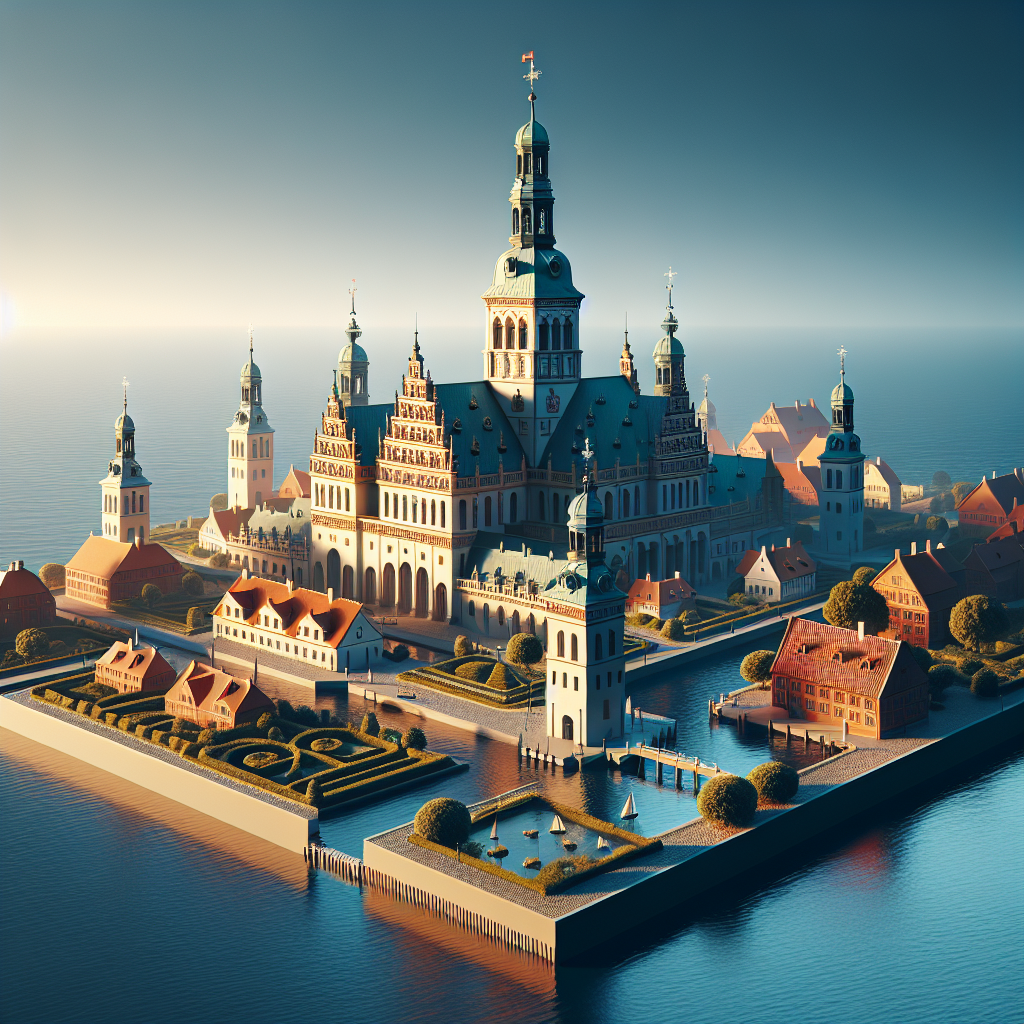

Discovering Gudme: A Hidden Gem in Denmark's Rich History
Gudme, a small town in Denmark, is a fascinating place where history, archaeology, and culture converge to tell the story of a once-thriving Iron Age settlement. Located on the island of Funen, Gudme was a significant center of power and trade from around 200 to 600 AD. This period, known as the Germanic Iron Age, saw Gudme flourish as a hub of wealth and influence, attracting traders and craftsmen from across Europe. The town's strategic location and rich archaeological finds have made it a key site for understanding the social and economic dynamics of ancient Scandinavia.
The archaeological discoveries in Gudme are nothing short of extraordinary. Excavations have unearthed a treasure trove of artifacts, including gold and silver jewelry, weapons, and tools, which provide insight into the lives of its inhabitants. These findings suggest that Gudme was not only a local power center but also a crucial node in a vast network of trade routes that connected Scandinavia with the Roman Empire and beyond. The presence of Roman coins and luxury goods indicates that Gudme's elite had access to far-reaching trade connections, showcasing the town's importance in the ancient world.
The name "Gudme" itself is intriguing, believed to mean "home of the gods" in Old Norse. This suggests that the town may have held religious significance, possibly serving as a site for worship and ritual activities. The discovery of large halls and ceremonial buildings supports this theory, indicating that Gudme was a place where both political and spiritual leadership was exercised. The town's layout, with its grand structures and carefully planned streets, reflects a sophisticated society with a complex social hierarchy.
Today, Gudme is a quiet town, but its historical significance continues to captivate archaeologists and history enthusiasts alike. The Gudme Museum offers visitors a chance to explore the town's rich past through exhibits that showcase the remarkable artifacts uncovered in the area. These displays not only highlight the craftsmanship and artistry of the Iron Age but also provide a window into the daily lives and beliefs of the people who once called Gudme home.
In the broader context of Danish history, Gudme serves as a reminder of the dynamic and interconnected world of ancient Europe. Its story is one of innovation, trade, and cultural exchange, illustrating the vibrant tapestry of human civilization. As we continue to uncover the secrets of Gudme, we gain a deeper appreciation for the ingenuity and resilience of our ancestors, inspiring us to explore the past with curiosity and wonder.