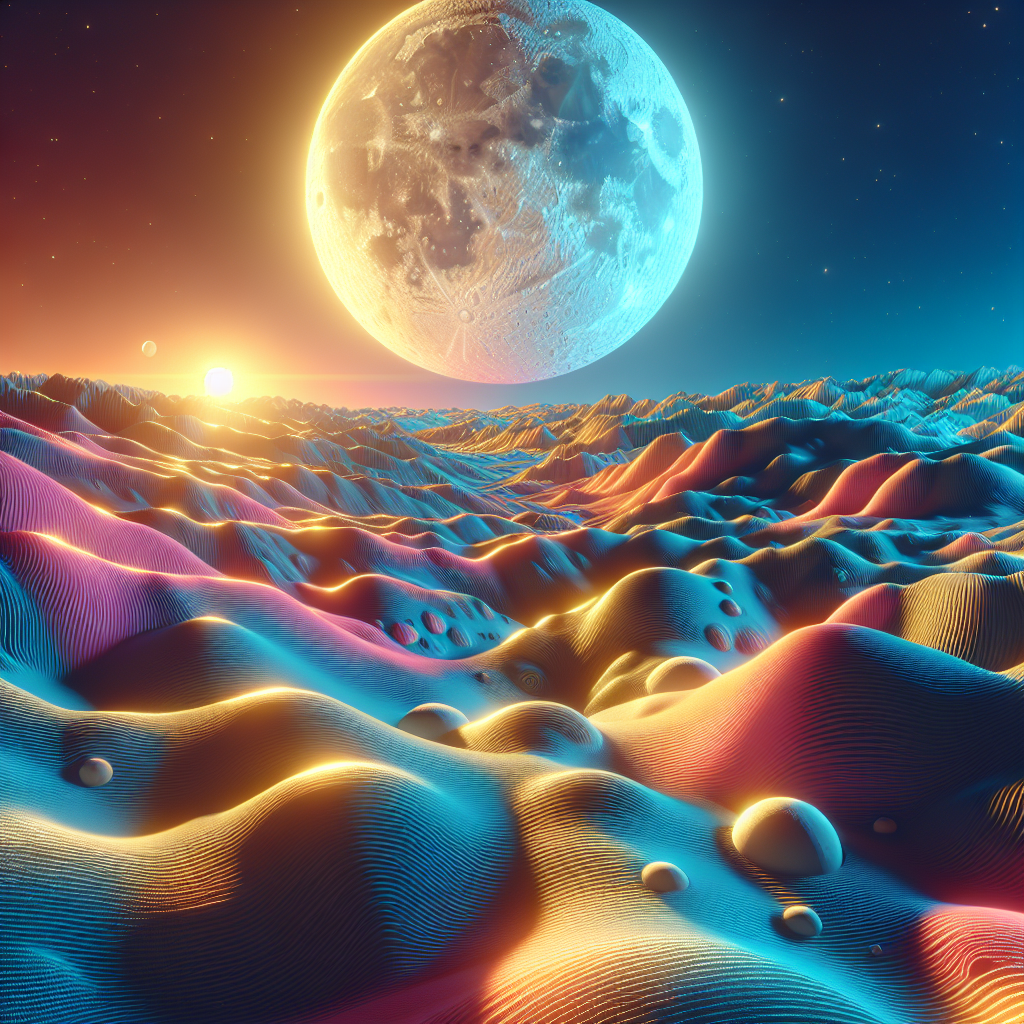

Gekkou: A Fascinating Phenomenon Illuminated!
What if I told you that understanding the moon’s glow—known in Japanese as "Gekkou"—could unlock secrets about our universe, reveal deep cultural narratives, and inspire awe like few things can? Yes, this celestial glow we observe from Earth has puzzled thinkers for centuries and remains a shimmering symbol of mystery and exploration.
The term 'Gekkou' is a Japanese word literally translating to 'moonlight’. It has been utilized in various contexts, from poetry to scientific discussions. The fascination with moonlight transcends cultures and eras, drawing everyone from ancient scholars to modern scientists and artists into its orbit.
Now, let's break down this phenomenon into some comprehensible bites. Moonlight truly is sunlight that reflects off the moon's surface; however, the story isn’t quite so simple. Our moon, a natural satellite orbiting Earth, casts this distinctive glow that transforms our nighttime skies. The intensity and visibility of this light depend on a variety of factors: its phase, our atmospheric conditions, and even the location from which it's observed.
The Science Behind Moonlight
The science of Gekkou is as captivating as it is explanatory. To understand it better, imagine the moon as a gigantic cosmic mirror. The surface of the moon is not smooth but riddled with craters and mountainous terrains, all impacting how light reflects back to us. When sunlight hits these uneven surfaces, the light is scattered in different directions, leading to the softer glow that we perceive as moonlight.
What’s particularly exciting is the moon's changing visage. Have you ever noticed the varying degrees of brightness during different phases? This is determined by the moon’s position relative to the Earth and the Sun. At full moon, the Earth sits between the moon and the sun, allowing maximum light to reflect toward us. During new moon phases, the moon is situated between Earth and the Sun, making it practically invisible. These lunar phases forever tantalize night-time strollers, astronomy enthusiasts, and even those wistfully staring out of their windows on cloudless nights.
Cultural Importance of Moonlight
Why are we so captivated by moonlight’s gleam? Culturally, the moon has been revered as a celestial icon in human history, symbolizing everything from divine beauty to agricultural harbingers. The term 'Gekkou' resonates profoundly within Japanese culture, where moon-viewing festivals like 'Tsukimi' celebrate this radiant phenomenon. Participants gather to appreciate the moon’s beauty under the clear autumn skies, often accompanied by music, poems, and traditional foods like rice dumplings.
Similar admiration for the moon is evident worldwide. Indigenous cultures used lunar cycles to guide planting seasons, while many mythologies depicted the moon as a divine entity or a powerful god. Its pale glow inspired artists and musicians—from van Gogh’s starry works to Beethoven’s Moonlight Sonata, each a tribute to humanity’s eternal muse.
The Art and Science Fusion
Art and science have always been two sides of the same coin, and nowhere is this more evident than in our appreciation of Gekkou. Modern science unravels how moonlight affects Earth in ways artists could not have predicted. The energy from moonlight has a gentle impact on Earth’s tides due to the moon’s gravitational pull. This induces a rhythmic motion in our oceans, breathing life into the tidal cycles that sustain coastal ecosystems.
But beyond the tangible, moonlight stirs the imagination and opens an ethereal realm of inspiration. Imagine a laser study of moon-dust particles revealing microscopic reflections to capture the essence of Gekkou. Or animations generated by scientists demonstrating how light scatters across the lunar landscape. This synergy inspires works across multiple disciplines, from paintings that seem to shimmer with every gaze to literature that evokes the romance of moonlit nights.
The Future of Moonlight Exploration
As our technology evolves, so does our capacity to explore the celestial highways. Future moon missions aim to study the properties of lunar dust more accurately and unveil phenomena we’ve yet to even conceive. Understanding the reflective characteristics of the lunar surface could offer clues to harnessing solar power or geological insights applicable both on Earth and for exploring other celestial bodies.
Meanwhile, Astronomical societies continue encouraging enthusiasts through telescope nights and moon observation events, fostering a community thrilled by the cosmic canvas above us. Moreover, amateur and professional photographers play with long-exposure shots to capture the invisible dance of moonlight.
Ultimately, our ongoing fascination with Gekkou reflects humanity’s inherent curiosity and boundless enthusiasm to understand our natural world. As we continue to explore lunar mysteries, our sense of wonder only deepens, reminding us that the universe—filled with infinite possibilities—is always a little more accessible when lit by moonlight.