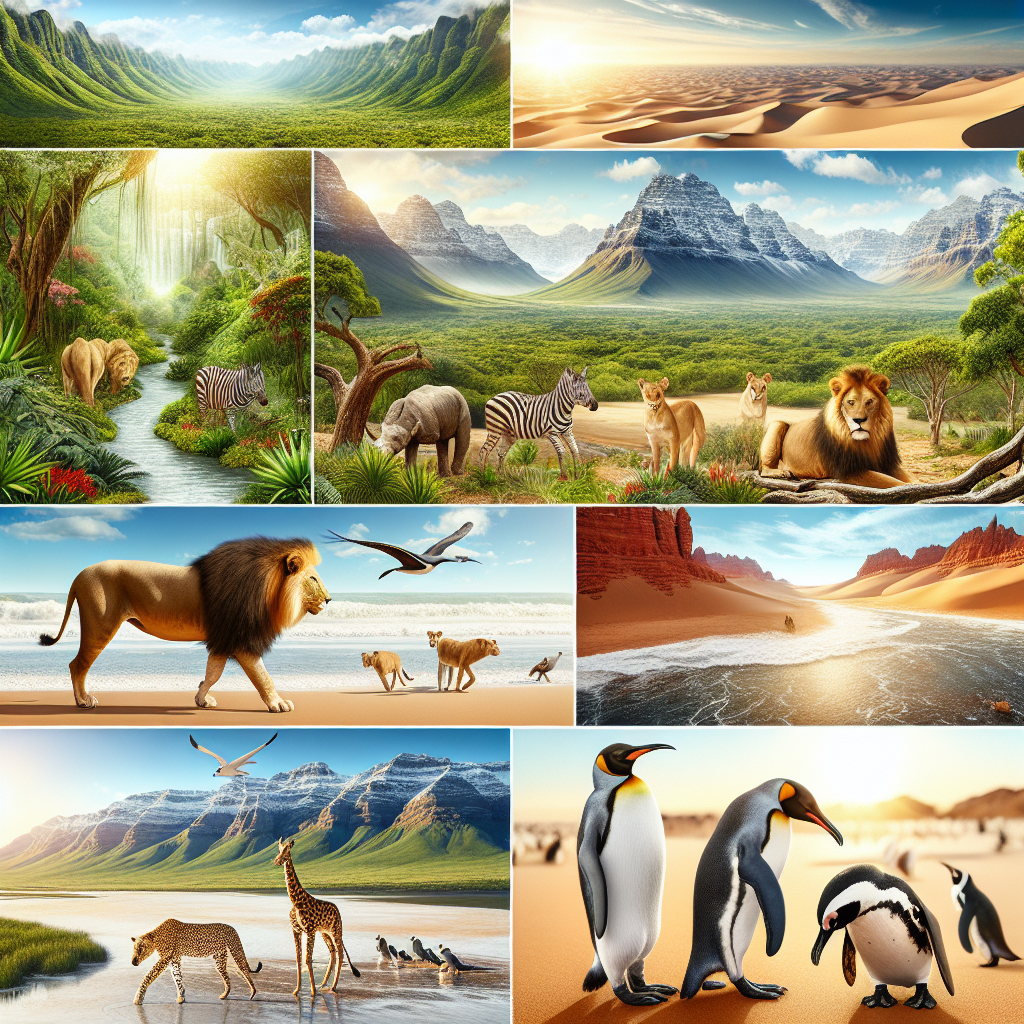

South Africa's wildlife reads like nature's greatest hits compilation: a cacophony of chirps, growls, trumpets, and roars, each track a unique species strumming its part in Earth's vast ecological symphony. Who can resist being amazed by the iconic Big Five—elephants, lions, rhinos, leopards, and buffalo? But there is far more to this country’s fauna than just its most famous residents. In this journey from the vast savannahs to the sprawling oceans, we will explore the richness of South Africa's biodiversity, uncovering what makes it such a fascinating habitat for wildlife and why its preservation is essential.
The Iconic Big Five
When you think of South African wildlife, your mind might immediately jump to the term 'Big Five'. Historically a reference coined by big game hunters, these are the most difficult animals to hunt on foot, now redefined by photographers and wildlife enthusiasts alike as the must-see species on any safari. African elephants majestically roam national parks like Kruger, with their large, flappy ears and formidable tusks. Lions command the savannah with regal authority, their atmospheric roars echoing at dusk. Rhinos, both black and white, offer thrilling sightings, though threatened by poaching. Leopards, elusive and secretive, promise an exciting challenge, as they often blend seamlessly into the bush. Last but not least, herds of African buffalo graze restlessly, embodying strength and resilience.
Lesser-Known Splendors
While the Big Five garner the spotlight, South Africa harbors an astonishing variety of less-celebrated species that contribute richly to its ecological tapestry. Take for instance the honey badger, fiercely independent and known for its surprising tenacity—documented even to fend off much larger predators. The African wild dog, one of the most effective hunters, creates awe with its intricate social structure and pack cooperation.
Then there's the chameleon's astonishing display of vibrant colors, an instant hit with entomologists and casual observers alike. South Africa hosts several hundred distinctive bird species, adding avian allure to the savannah. International birders flock to marvel at the resplendent lilac-breasted roller, the peculiar ostrich, or the agile fish eagle, which echoes across the rivers with its majestic call.
Marine Marvels
South Africa is uniquely positioned, bordered by the Atlantic and Indian Oceans, offering a spectacular variety of marine life. The Great White Shark, known as the ambassador of the seas, draws thrill-seekers worldwide, particularly for cage diving near Gansbaai. Schools of dolphins, including the playful bottlenose dolphin, frolic and leap in the surf, a sight that never fails to elicit joy.
Furthermore, the waters invite glimpses of colossal whales—Southern Right Whales frequent the coasts from June to November for their breeding season, while Humpbacks and Bryde’s whales enthrall with their migratory displays. Coastal rock pools brim with colorful sea anemones, starfish, and curious crabs, offering younger explorers firsthand encounters with ocean biodiversity.
Conservation Efforts: A Cooperative Endeavor
The rich tapestry of South Africa’s fauna is not just a source of pride but also of responsibility. Conservation initiatives, such as anti-poaching units and habitat restoration projects, are a testament to collective human effort in safeguarding this natural world. International collaborations and local grassroots movements combine to ensure that future generations will continue to experience these wonders.
Organizations like the Endangered Wildlife Trust and the South African National Parks lead the charge, applying scientific research to habitat management and animal protection. Through the establishment of protected areas and community involvement, they champion a sustainable model that supports both wildlife and local communities.
Why It Matters
Studying and preserving the fauna of South Africa is more than an act of environmental stewardship; it's an essential pursuit for humanity itself. As we wrestle with global challenges like climate change and biodiversity loss, understanding ecosystems can unlock solutions. Species here have adapted over millennia to survive and thrive; in their stories, we might find insight into our own.
Moreover, the economic value of wildlife tourism—a significant contributor to South Africa’s economy—illustrates the close ties between biodiversity and livelihoods. By protecting the ecosystem, South Africa ensures continued tourism appeal, supporting jobs and incentivizing ongoing preservation efforts.
Embrace the Wonder
Whether you're observing the intelligent play of primates in a national park, the stealth of a leopard in the cool of the night, or the formidable grace of a breaching humpback, there’s an ever-growing list of wonders to immerse yourself in within South Africa’s boundaries. With each snapshot and footstep, there's an opportunity to learn, to marvel, and to understand what connects all life on Earth. So, pack your binoculars, lace-up your boots, and prepare to be astonished by the myriad forms of life thriving beneath the African sun.
Who knows? You might just gain not just a lesson about the natural world but also a fresh perspective on what it means to be part of this intricate web of life.