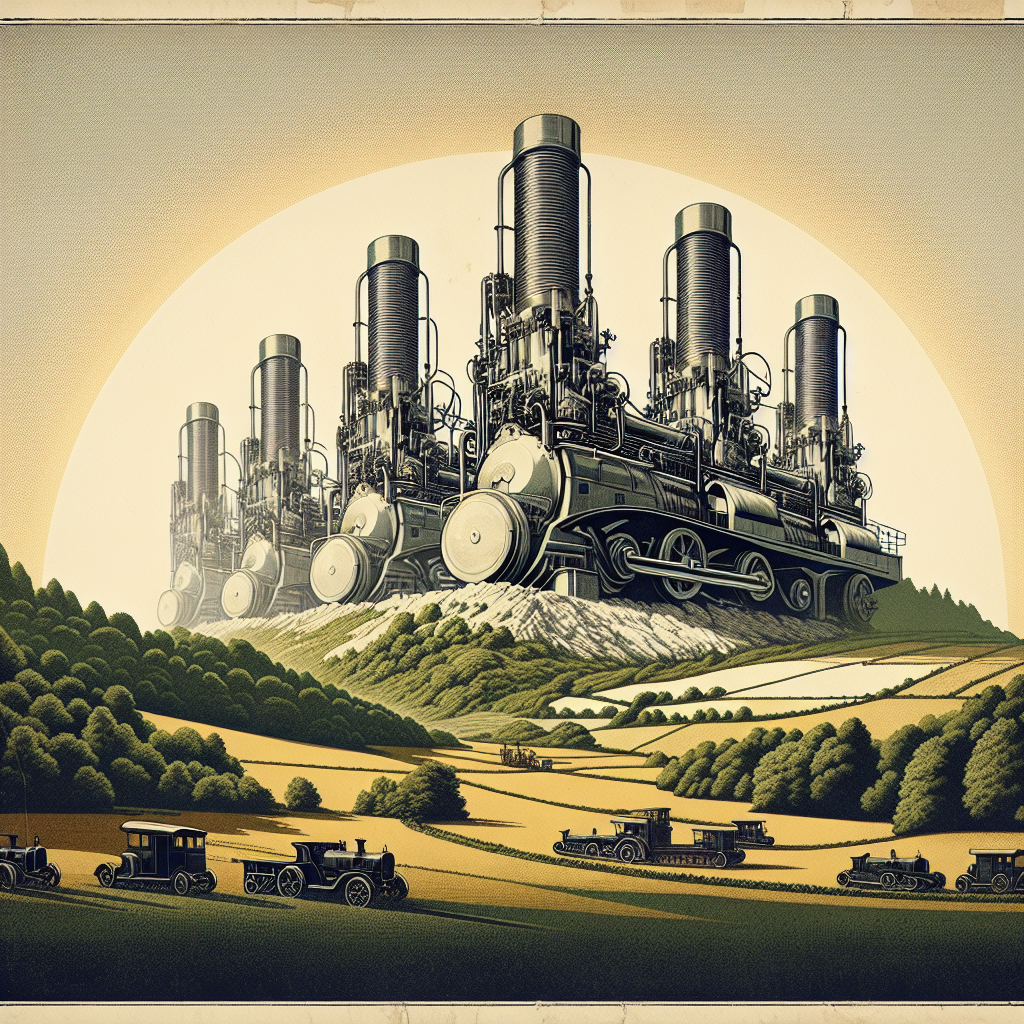

Chugging Along: The Mighty English Electric Diesel Engines
If diesel engines had groupies, the English Electric engines would definitely be hosting a sold-out concert. Manufactured predominantly in the UK, these engines were the futuristic brainchild of a visionary team at the English Electric Company in the mid-20th century, around 1930 to 1968, specifically tailored to meet the needs of an energy-driven world. They emerged as power-packed dynamos fueling trains, ships, and even power plants across the globe! But let’s get our hands dirty and understand exactly what made these engines the rock stars of their time.
The Heart of an Era
Born out of necessity during a period marked by industrial expansion, the English Electric diesel engines were marvels of robust engineering. Imagine walking into an era driven by steam and witnessing these giants powered by diesel shrugging past. It's as if someone swapped a horse-drawn carriage for a supersonic jet. What’s fascinating is how these engines didn’t just change the pace of transport but reshaped the very fabric of industrial capabilities.
The trend toward diesel engines initiated as a feasible alternative to steam power, offering higher efficiency and reliability, and being far less labor-intensive. The engineers at English Electric harnessed the potential energy stored within diesel fuel, deploying it in sleek aerodynamic models that practically purred compared to their steam-powered counterparts.
Anatomy of an English Electric Engine
English Electric diesel engines were characterized by their robust construction, modular designs, and versatility, which allowed them to be used efficiently across various applications. Think of them as the Swiss Army knives of engine technology! At the core of these engines was a prime mover—the diesel engine itself, which used diesel fuel to operate. This primary component was supported by auxiliary systems that included air intake, exhaust, cooling, and lubrication subsystems.
The design was often modular, allowing for easier maintenance and adaptability for different uses. One of their acclaimed features was their use in locomotives, making rail transport more effective. These engines also found applications in marine vessels, offering an unparalleled reliability that sailors swore by, even on the roughest seas.
A Historical Power Shift
So why are these engines so significant today? From the 1930s to the late 1960s, the world was undergoing an industrial transformation and the navigation systems, railways, and even early electricity grids depended heavily on their efficiency and durability. The English Electric diesel engines were at the heart of this shift. In particular, famous locomotives such as the Class 37, known affectionately as the “tractors” by rail enthusiasts, relied on these engines.
Transforming Technologies
What leaps out is just how these engines embodied the notion of adaptability. As technological advancements swept through, the need to remain sustainable and efficient grew paramount. The English Electric engineers tackled this by iterating on their designs. As diesel fuel technology advanced, engines were adapted to ensure they were not left in the technological dust. This innovation set the stage for future advancements, becoming a gateway for modern diesel engines.
English Electric’s Global Footprint
While primarily a British company, English Electric’s reach was global. Many Commonwealth countries benefited from importing not just their expertise but also these marvelously robust diesel engines. In countries like Australia and New Zealand, these engines became the backbone of their rail and marine industries, cementing a legacy of reliability.
The global reach of these diesel engines wasn't just about exporting products but also imparting knowledge and inspiring subsequent generations of engineers and thinkers worldwide. The impact of their work continues to echo in the factories and shipyards even today.
The Thrill of Innovation
What adds an optimistic flair to this piece of history is the sheer thrill of what’s possible when humanity puts its smartest thinkers together to solve big problems. From solving logistical challenges during wartime to enabling rapid industrial growth, these engines are a testament to the relentless spirit of human innovation.
As we look to the future, English Electric diesel engines remind us that every engine humming today, whether on land or at sea, carries with it the echoes of an innovative, energetically creative past. They symbolize the potential we have when we dare to rethink possibilities and craft tools that power our world—literally and metaphorically.
Technology has always been about pushing the limits, and these engines were an embodiment of that drive. Offering more than just horsepower and torque, they provided lessons in engineering excellence, sustainability, and adaptability, securing their place as timeless titans in the world of diesel engines.
It’s only natural to feel a bubbling excitement when narrating the tale of how a simple engine contributed a symphony to an orchestra, changing the dynamic of power. And just like that, with a simple chug and a puff, English Electric diesel engines became a cornerstone of technological progress, humming the tune of human achievement.