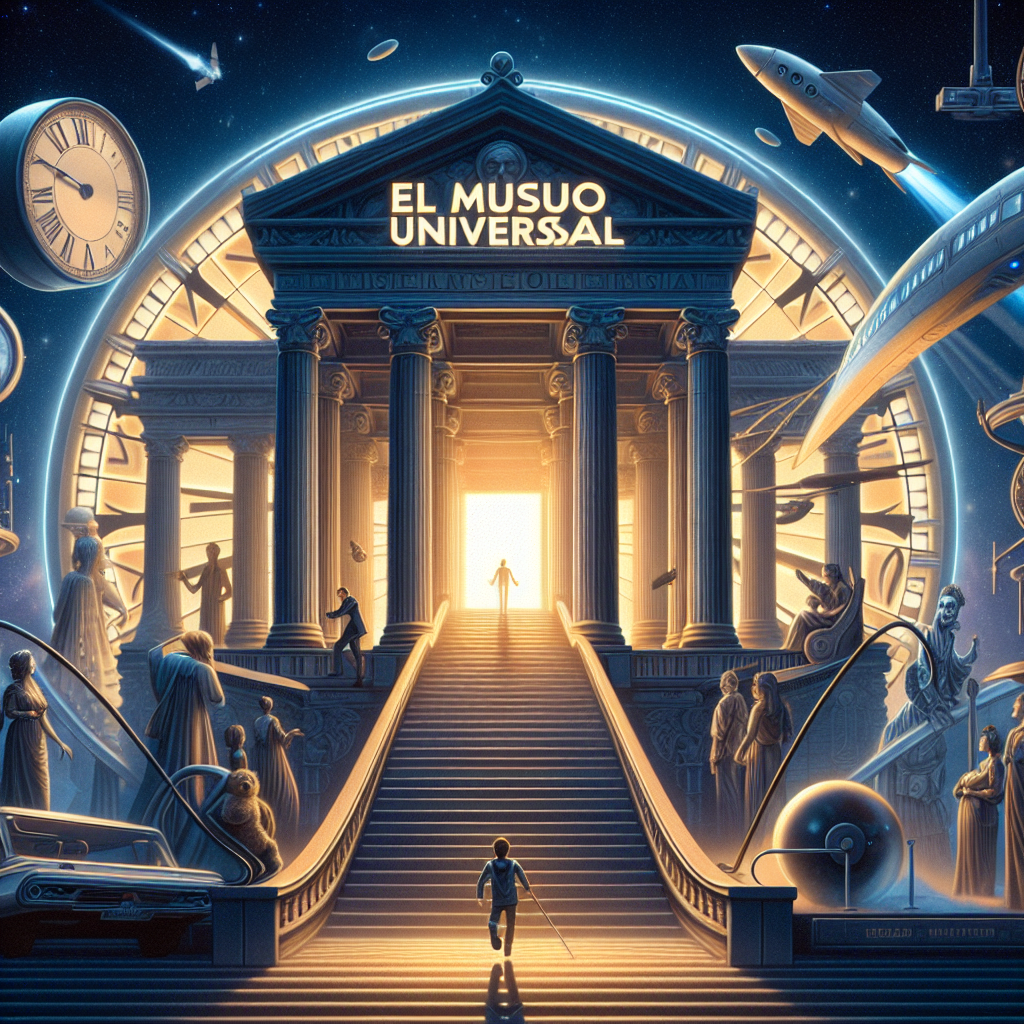

The Universal Museum: A Gateway to Global Culture
Imagine a place where the world's most fascinating artifacts and artworks converge, offering a glimpse into the diverse tapestry of human history and creativity. The Universal Museum, a concept that has been evolving since the 18th century, is a cultural institution that aims to house collections from across the globe, making them accessible to people from all walks of life. The idea of a universal museum was first popularized in Europe, with institutions like the British Museum in London, established in 1753, and the Louvre in Paris, which opened its doors in 1793. These museums were founded with the mission to educate and inspire the public by showcasing the breadth of human achievement and the interconnectedness of different cultures.
The Universal Museum is not just a repository of objects; it is a dynamic space where history, art, and science intersect. These museums are often located in major cities around the world, serving as cultural hubs that attract millions of visitors each year. They play a crucial role in preserving cultural heritage, promoting cross-cultural understanding, and fostering a sense of global citizenship. By displaying artifacts from various civilizations, universal museums help us appreciate the shared human experience and the unique contributions of different societies.
The significance of universal museums lies in their ability to transcend geographical and temporal boundaries. They provide a platform for dialogue and exchange, encouraging visitors to reflect on the past and envision the future. As we navigate the complexities of the modern world, these institutions remind us of our shared humanity and the importance of preserving our collective heritage for future generations. The Universal Museum is a testament to the power of knowledge and the enduring quest for understanding that defines the human spirit.