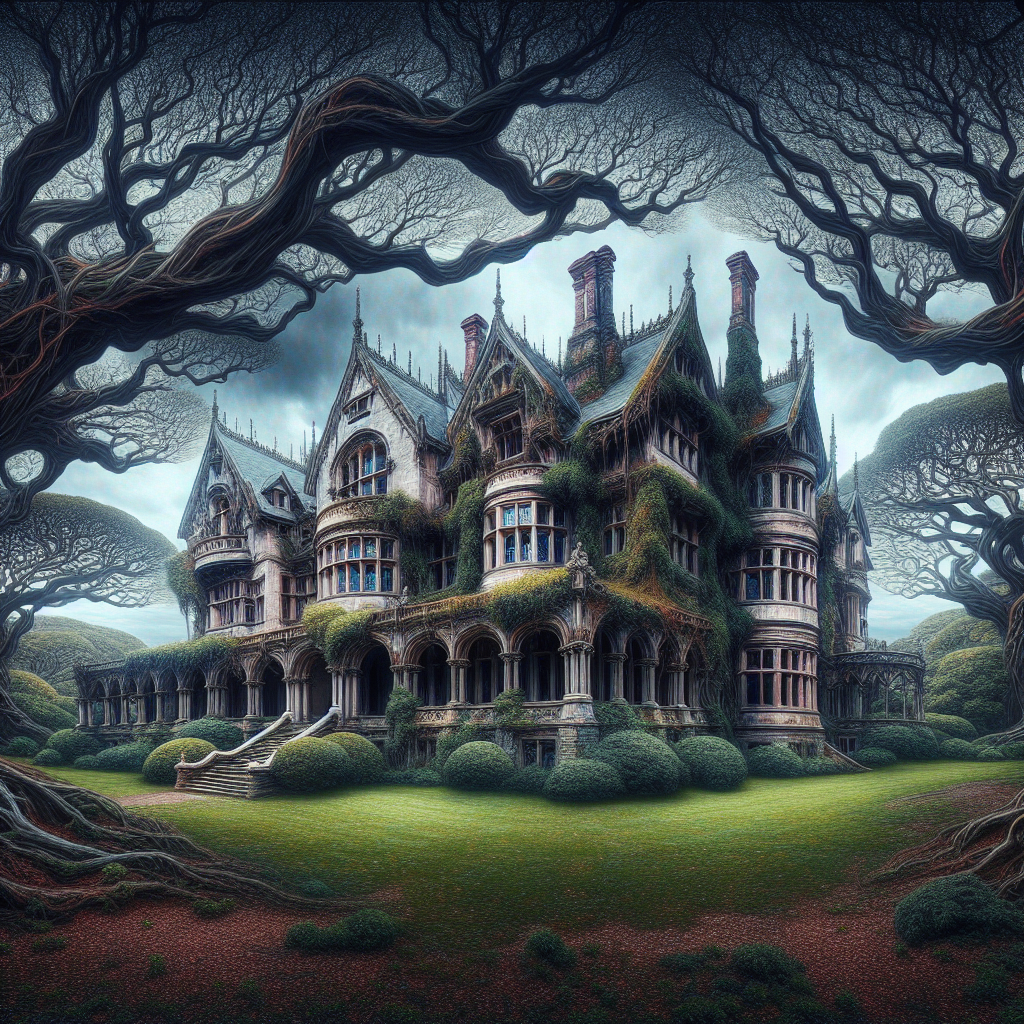

Discovering the Dorrance Mansion: A Historical Gem
Imagine stepping back in time to the 19th century, where the Dorrance Mansion stands as a testament to architectural elegance and historical significance. This captivating mansion, located in Bristol, Pennsylvania, was built in 1863 by the prominent Dorrance family, who were influential figures in the local community. The mansion is a stunning example of Italianate architecture, a style that was popular in the United States during the mid-1800s, characterized by its ornate detailing, tall windows, and low-pitched roofs.
The Dorrance Mansion was constructed during a period of great change and development in America, amidst the backdrop of the Civil War. It served as the residence of John Dorrance, a successful businessman and civic leader, who played a significant role in the economic growth of Bristol. The mansion not only reflects the wealth and status of the Dorrance family but also provides a glimpse into the lifestyle and social dynamics of the era.
Today, the Dorrance Mansion is a cherished historical landmark, preserved for its architectural beauty and cultural importance. It offers visitors a unique opportunity to explore the rich history of Bristol and the legacy of the Dorrance family. The mansion's preservation efforts highlight the community's dedication to maintaining its historical heritage, ensuring that future generations can appreciate and learn from this remarkable piece of history.
Whether you're a history enthusiast, an architecture lover, or simply curious about the past, the Dorrance Mansion invites you to embark on a journey through time, where stories of the past come alive within its walls.