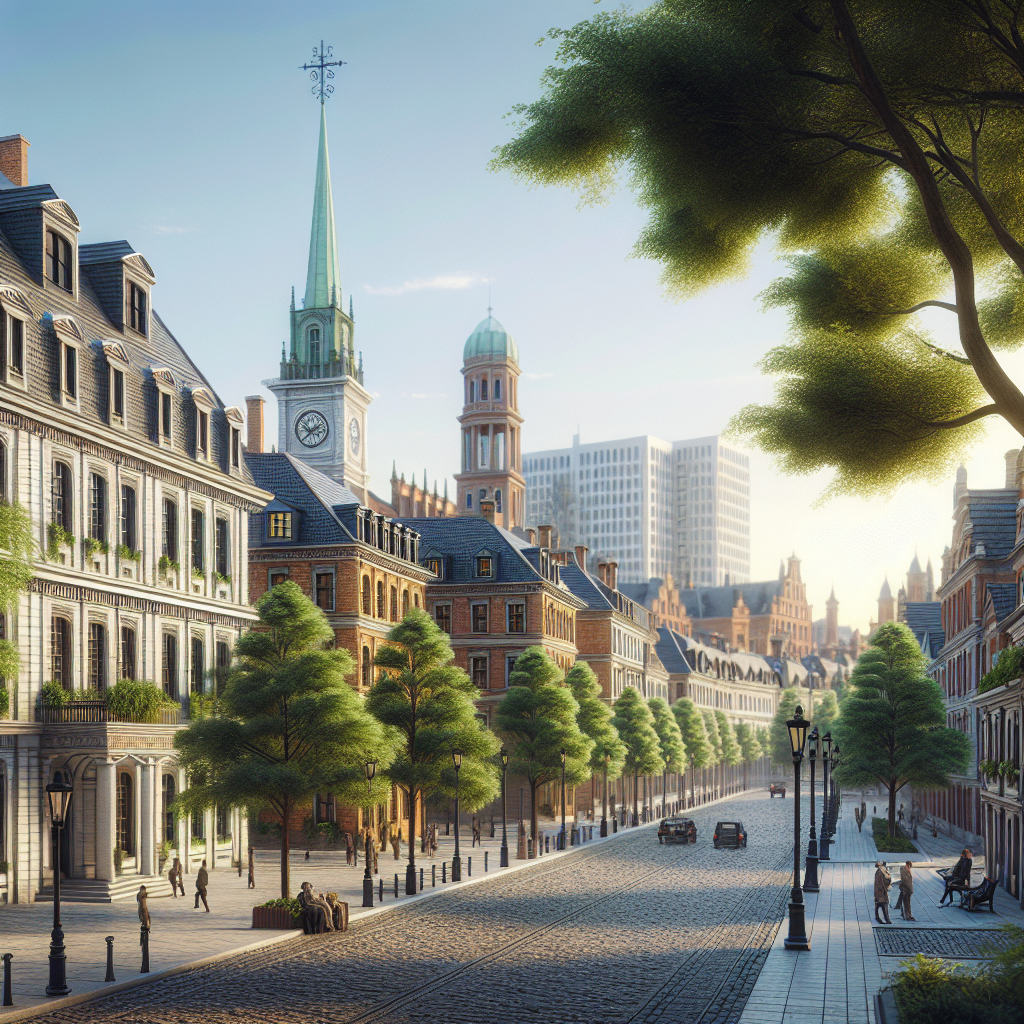

The Hidden Gem of Arlington: Dominion Hills
Did you know that history can be both a thrilling journey and a profound teacher? Nestled in the vibrant heart of Arlington County, Virginia, lies the Dominion Hills Historic District—a treasure trove of mid-20th-century architecture and suburban development. Known for its post-war homes and picturesque landscapes, Dominion Hills invites us all to explore the origins of a melodic blend between human settlement and nature.
Who, What, When, Where, and Why
Established in the aftermath of World War II, Dominion Hills is more than just a residential neighborhood; it’s a living testament to the wave of optimism that swept across America in the mid-20th century. Located strategically in Arlington, Virginia, the district was developed primarily between 1945 and 1948 by the Mace Properties Group to accommodate the nation's expanding middle class. This district represents a key chapter in the history of American suburbanization, embodying an optimistic period where architecture, community, and nature forged a harmonious alignment.
The Architectural Splendor of Dominion Hills
The Dominion Hills Historic District is renowned for its distinctive blend of colonial and mid-century modern architecture. Picture a landscape adorned with charming, modestly scaled brick homes, each telling a story through their gabled roofs, chimneys, and front porches. This architectural tapestry is not just about form, but function, evolving to meet the needs of a growing family-oriented society of the era.
Many homes here feature a unique combination of traditional Colonial Revival and practical Ranch styles—a testament to their designers' ingenuity in combining elegance with practicality. Why does this matter? Well, the district’s architectural details highlight a broader historical narrative of post-war economic prosperity and innovation.
A Community Built on Optimism
Dominion Hills was more than just a housing development; it was a symbol of newfound hope and resilience. The district was intentionally designed to foster a strong community spirit, with amenities such as the Dominion Hills Pool and Recreation Association. This communal hub further cemented the neighborhood's promise of a vibrant, shared lifestyle post-World War II.
The neighborhood also prides itself on its lush, green environs, which include Upton Hill Regional Park—a haven for nature lovers. These spaces aren't just scenic; they're emblematic of an era that appreciated and integrated nature within suburban planning, ensuring inhabitants could enjoy a serene environment just steps away from their doorsteps.
The Evolution and Preservation of Dominion Hills
Sure, understanding architectural styles and historical timelines is incredibly exciting, but what truly breathes life into Dominion Hills is its ongoing community spirit and dedication to preserving its historical charm. In 2003, thanks to the collective efforts of its residents, the district was proudly listed in the National Register of Historic Places.
By maintaining their historical homes and actively participating in community initiatives, residents ensure that Dominion Hills remains a bridge connecting modern times to a rich past. Their activities in preservation echo a larger conversation about valuing our historical environments amidst urban development pressures.
Visiting Dominion Hills Today
If you’re someone who finds joy in exploring rich histories and stunning architecture, visiting Dominion Hills is akin to time-traveling through one of America’s pivotal transformation periods. As you meander through its streets, each corner unfurls another chapter of historical significance.
The neighborhood today blends its storied past with contemporary living. It consistently attracts families who appreciate the balance of history, nature, and a sense of community that Dominion Hills offers. Truly, it represents resilience and the continuous thread of a bold, optimistic outlook that defined America in the mid-20th century.
Final Thoughts: An Invitation to Learn and Grow
Our fascination with historic neighborhoods like Dominion Hills stems from their ability to serve as foundations upon which we can build vibrant futures. They remind us that each brick and pathway holds lessons—from architectural achievements to communal harmony—valuable in today’s context.
And as we continue to embrace these lessons in sustainable living, community spirit, and historical preservation, we contribute to a legacy that inspires future generations to cherish and learn from the spaces that they call home.