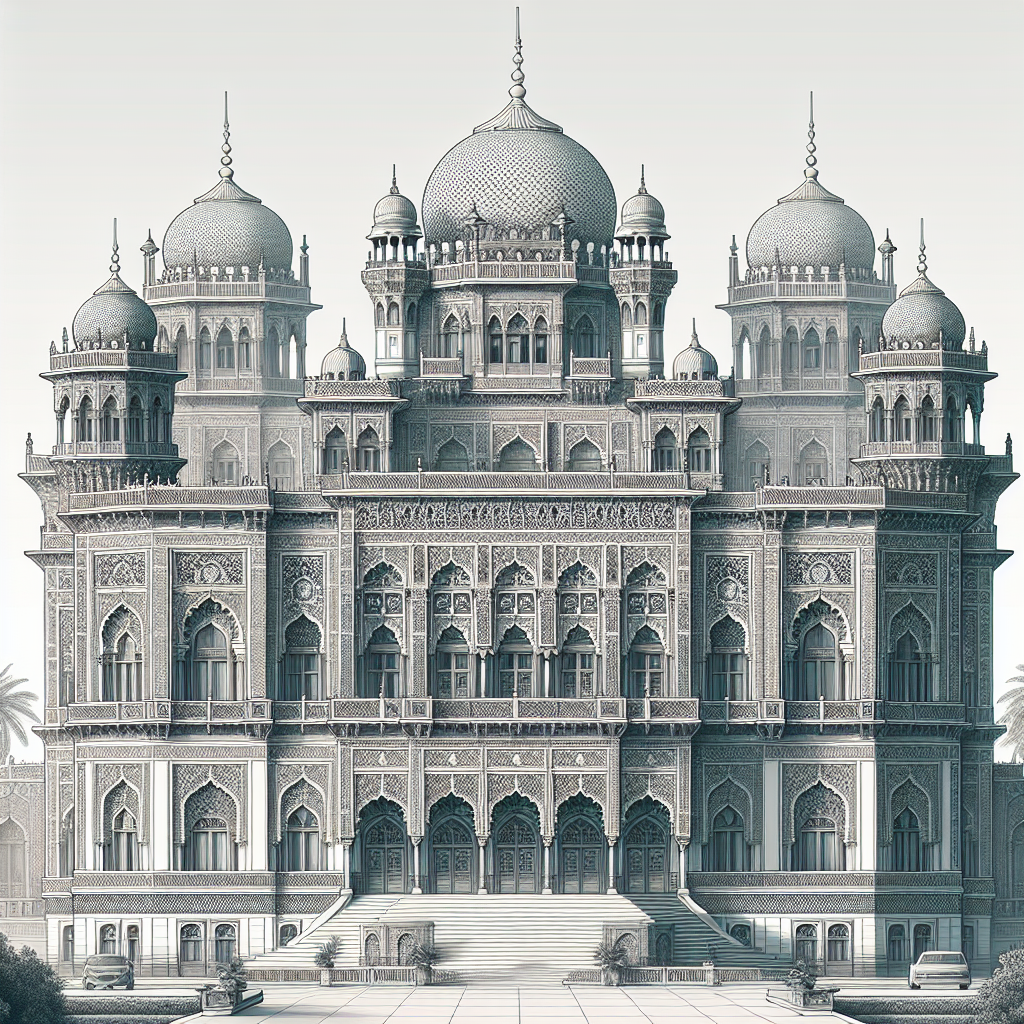

Nestled in the heart of the enchanting city of Marrakech, the Dar al-Taj Palace captivates visitors with its rich history and stunning architectural details. This historical gem, originally constructed in the late 19th century during the reign of Sultan Moulay Hassan I, continues to be a source of inspiration and fascination for historians, architects, and travelers alike. But what is it about Dar al-Taj that commands such admiration, and why does it stand out as a beacon of Moroccan heritage?
A Glimpse into the Past
Understanding the significance of Dar al-Taj requires a journey into Morocco's complex past. Under Sultan Moulay Hassan I, a ruler known for his diplomatic prowess and keen interest in architecture, the palace was constructed as a symbol of power and cultural splendor. The late 19th century was a period where Moroccan society was experiencing great changes, with influences from Europe weaving into the nation’s historic Islamic and Berber traditions. Dar al-Taj stands proudly as a testimony to this dynamic cultural confluence.
Architecturally speaking, the palace is a masterful blend of traditional Moroccan design and subtle European influences. Visitors find themselves marveling at the intricately carved stucco, vibrant mosaic tiles, and the grand, geometric courtyards that exemplify the classic Moroccan aesthetic. Each element has been meticulously crafted to create a harmonious space that reflects the sophistication of its time while remaining timeless in its beauty.
Architectural Marvel
What sets Dar al-Taj apart from other historical monuments is its exemplary incorporation of traditional Moroccan design elements. The use of zellij, the process of hand-cutting and setting tiles into complex geometric patterns, is one of the most striking features. These tiles, paired with the cedar wood carvings, create a tapestry of colors and shapes that plays with light and shadow, offering a dynamic visual experience.
The symmetry and precision in the architecture are balanced with courtyards that provide serenity and a close connection to nature. These courtyard gardens, often adorned with fountains and citrus trees, give the palace a characteristic calm and are designed to be experienced with all senses: the sound of gently flowing water, the sweet scent of orange blossoms, and the breathtaking sights of Moorish arches.
Symbolism and Significance
Dar al-Taj is more than just a physical structure; it embodies the historical and cultural narratives of its time. The palace has served numerous roles over the decades, adapting to the needs of its occupants, which is itself a fascinating reflection of Morocco's socio-political changes. Many scholars argue that the continued prominence and preservation of Dar al-Taj offer insights into how Moroccan society has valued and maintained its rich architectural heritage through tumultuous periods.
Educational and Cultural Impact
Given its historical and architectural significance, Dar al-Taj serves as an educational resource for those eager to learn about Moroccan history. Schools and tourism initiatives frequently incorporate it into their programs to teach about the interplay between art, architecture, and the historical context in which these were produced.
Moreover, the palace is a testament to the creativity and craftsmanship of the Moroccan people. It underscores the achievements of past artisans while prompting modern-day enthusiasts to explore how traditional methods can inform contemporary architectural practices.
Restoration and Conservation Efforts
Efforts to preserve Dar al-Taj for future generations have been robust, reflecting Morocco's commitment to safeguarding its cultural treasures. Conservation involves not just physical restoration but also reviving traditional craftsmanship techniques that may have been lost over time. This endeavor bridges generations, linking young artists and craftspeople with a rich historical lineage and empowering them to carry these traditions forward.
Visitor Experience
For those fortunate enough to visit Dar al-Taj, the experience is nothing short of magical. Visitors are encouraged to take a walk through history as they explore its luxurious halls and serene courtyards. Guided tours offer insights into the stories that the walls of the palace could tell, illuminating the lives of those who once called it home.
The best time to visit is in the spring months, when the gardens are in full bloom, and the air is filled with the fragrance of flowers. Whether you are an art aficionado, history buff, or simply a curious traveler, Dar al-Taj promises an enriching experience into the heart of Moroccan culture.
Conclusion
Dar al-Taj Palace stands as a beacon of Morocco's historical splendor and architectural ingenuity. To visit is to step into a world where every detail is a reminder of the rich artistic and cultural narratives that have shaped and continue to shape Morocco. The palace invites us to appreciate not just the beauty of its craftsmanship but also the stories that make it an irreplaceable piece of humanity's shared heritage.