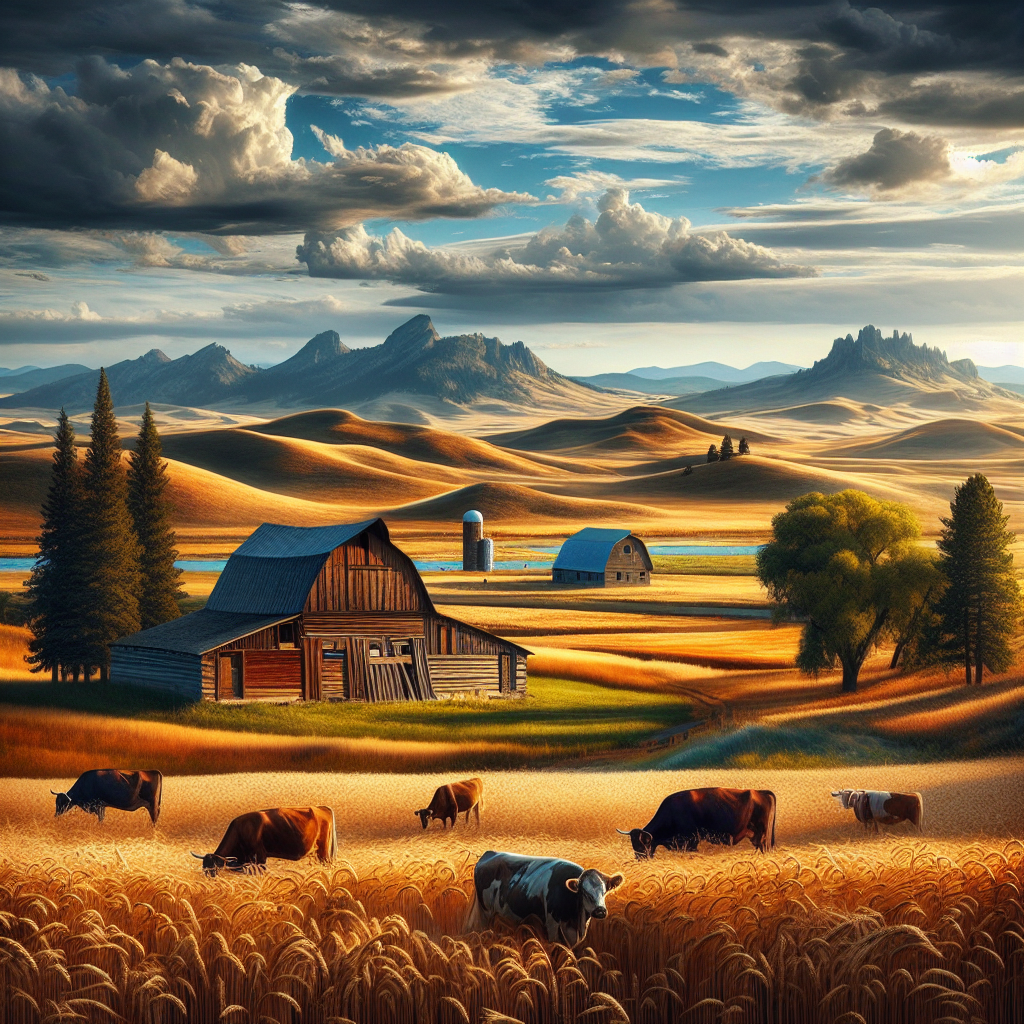

Custer, Montana may not be the first place that comes to mind when you think of a lively and bustling community, but this quaint location holds a rich history and unique charm that beg to be explored. Nestled in Eastern Montana, Custer is unpretentious in its existence but significant in its contributions to both the cultural and historical fabric of the United States. Visiting Custer is like opening a book filled with tales of the past, pages that spark curiosity and admiration for a town that continues to stand the test of time.
A Brief History: The Beginning of Custer
The region known as Custer today traces its roots back to the late 19th century. Originally developed as a way station for the Northern Pacific Railway in 1876, it was named in honor of General George Armstrong Custer, a controversial figure in American history known for his role in the American Indian Wars. This tinge of historical intrigue lends Custer, Montana, its unique narrative, dynamically balancing commemoration and controversy.
The Influence of the Northern Pacific Railway
The importance of the Northern Pacific Railway cannot be overstated when discussing Custer's development. It played a pivotal role in transforming it from a remote spot on the map to a viable community. The railway brought in settlers, trade, and a booming economy that would shape the town's characteristics and influence its growth over the years.
Railways were considered the veins of America's rapid expansion during the late 19th and early 20th centuries, and for small towns like Custer, they were a lifeline to the rest of the world. This connection allowed Custer to emerge as an important hub, though it remained intimate and closely knit in spirit.
A Closer Look at the Community
Custer's community is a testament to resilience and adaptability. Present-day Custer is home to hundreds of residents who contribute to a rural way of life that celebrates simplicity, tradition, and mutual support. Remnants of its railway heritage continue to decorate the landscape, with restored historical buildings and sites that draw history enthusiasts and curious travelers alike.
This small town maintains the charm of yesteryear, offering a glimpse into a less hurried and visually pleasing slice of Americana. Town events, local diner gatherings, and pristine natural scenery provide residents and visitors alike a sense of belonging and continuity.
Nature's Playground
Beyond its historical allure, Custer, Montana is also a gateway to experiencing the grandeur of Montana's breathtaking natural landscapes. The nearby Yellowstone River adds a mesmerizing touch, offering spectacular opportunities for fishing, boating, and wildlife observation. For many, the true allure of Custer is found in these serene natural settings, where dramatic skies meet sprawling prairies.
Just a short drive from Custer, Pirogue Island State Park opens up further possibilities for exploration. Nature enthusiasts and hikers often find themselves enamored with the region’s vivid flora and diverse fauna, while birdwatchers delight in spotting species unique to the region.
Modern-day Attractions and Activities
While history is a substantial part of what defines Custer, there’s much to be said about its modern attractions. The community periodically hosts local fairs, celebrating both its historical roots and contemporary cultural expressions. These events are a delightful mix of Western spirit, local artistry, and community gathering that underline the optimistic robustness of this small town.
For those seeking more immersive historical insights, a day spent at the Custer Loop Road offers a scenic trip that provides a more profound understanding of the landscape that shaped the town. This 13-mile drive through rolling hills and scenic vistas is as much a journey through history as it is through beautiful terrain.
Educational Opportunities
Residents and visitors interested in learning can find ample opportunities to do so at Custer's cultural venues that host educational programs and call attention to the town's past, from Native American history to the pivotal moments in railway expansion. Furthermore, local schools aim to inspire a new generation of learners with a curriculum that appreciates local heritage as much as it does encourage a broader view of the globe.
Why Custer, Montana Matters
In an era where urban landscapes often dominate the conversation, towns like Custer, Montana remind us of the importance of smaller, close-knit communities, their role in history, and the delicate balance of preserving the past while embracing the future. The population's constant optimism despite the challenges offers a glowing example of the human spirit.
Custer is not merely a footnote in history but a vivid reminder of how the past shapes our present and, hopefully, a brighter future. With a fusion of history, nature, and community spirit, Custer stands as a beacon of timeless small-town America—a place where every day is an opportunity to discover something extraordinary.