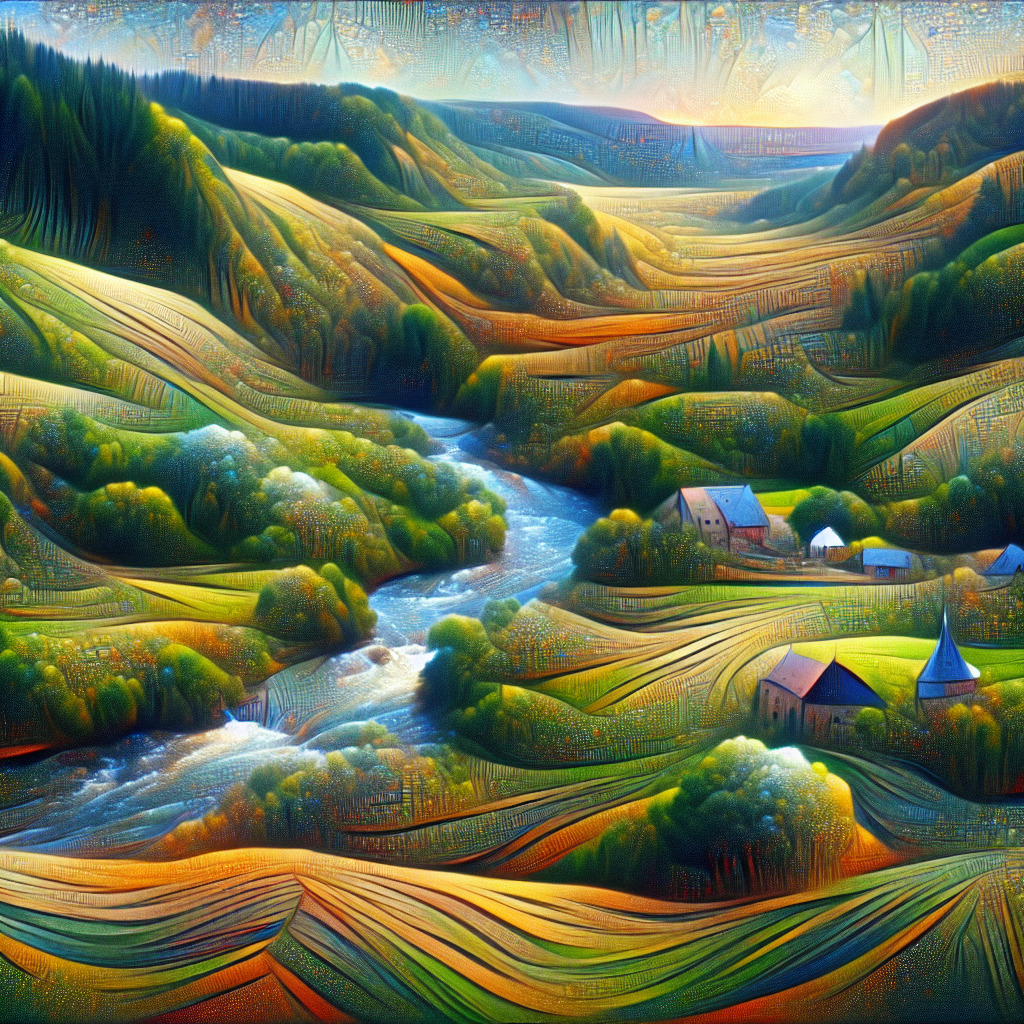


What if I told you that the hills, rivers, and cities around us tell stories as ancient and epic as any fairy tale? Quite an adventure, right? Cultural landscapes are like vibrant tapestries woven from the threads of humanity's interactions with nature. These are settings where people's lives and cultural epochs come alive, whispering to us through stone pathways, robust plantation lines, and artfully sculpted parks.
Unpacking Cultural Landscapes
The 'Who' and 'What' of Cultural Landscapes
Imagine walking through an ancient city where the architecture sings the song of a lost civilization. A cultural landscape is essentially a physical manifestation of our history and culture embossed into the land. It is an environment crafted by people, balancing nature with culture—from rural farmland to urban centers, from sacred mountains to pastoral valleys. The pivotal 'who' here involves people like policymakers, artists, or architects who shape these landscapes over time.
The 'When' and 'Where'
These magical landscapes are timeless. They exist everywhere - from the Stonehenge plains in the UK to the terrace farms of the Philippines' Banaue Rice Terraces, dating back over 2000 years. Every era, every society has left its mark on the land, and it's evident whenever we stop to appreciate places like Washington D.C.'s National Mall or the serene beauty of Kyoto's Zen gardens.
'Why' Cultural Landscapes Matter
Cultural landscapes matter because they represent the symbiotic relationship between humans and nature. They are the stage where cultural heritage and natural habitats waltz in harmony. These landscapes forge a connection to our past and preserve the identity of communities, acting as living museums that offer invaluable insights into human civilization.
Types of Cultural Landscapes
The UNESCO recognizes three main categories of cultural landscapes:
Designed Landscapes - These are landscapes intentionally created by humans. Think of Versailles Gardens in France, with their meticulously manicured lawns and opulent fountains, embodying the grandeur of French royalty.
Organically Evolved Landscapes - These emerge from social, economic, or administrative constraints and environmental settings. The rich tapestry of Tuscany's rolling hills, dotted with vineyards and olive groves, is an enduring example.
Associative Cultural Landscapes - These places have religious, artistic, or cultural associations. They may not be extensively altered physically but hold immense spiritual value, like the sacred Aboriginal lands of Uluru in Australia.
The Science Behind It
Understanding cultural landscapes requires an interdisciplinary blend of ecology, geography, history, and sociology. Researchers scientifically study these landscapes to fathom how human activities influence natural settings and vice versa.
For example, the Kai Tak River in Hong Kong, once heavily polluted due to urbanization, has been revitalized into a green, fragrant walkway through a process called 'urban ecological restoration.' This transformation showcases how urban planning harmonizes with ecological balance—a hallmark of sustainable cultural landscapes.
The Modern Importance of Cultural Landscapes
In today’s hyper-connected, rapidly evolving world, cultural landscapes serve as crucial cornerstones of eco-friendly urban development and cultural preservation initiatives. They inhabit our cities and countryside, resonating with local identities and fostering a sense of place and community belonging.
Future Perspectives
As technology propels us into an uncharted future, cultural landscapes will be at the heart of sustainable development, shapeshifting alongside society's evolving needs. Virtual reality and digital mappings, for instance, might allow us to explore these spaces from our homes, understanding how past societies interacted with the land and borrowing a page or two from their book to design green cities.
Opportunities for Learning
For all you enthusiastic learners, cultural landscapes offer a treasure trove of knowledge. Visiting a local historical park or a distant World Heritage site, accompanied by a well-curated guide, can transform your understanding of human creativity and resilience. Each landscape is a learning lab, a celebration of humankind’s magnificent journey through time and nature.
The embrace of cultural landscapes in educational curriculums showcases their significance. Students delve into the subject through hands-on activities, like creating miniature landscapes that reflect their understanding of history and ecology.
Your Role in Preserving Cultural Landscapes
Finally, as global citizens, it is our responsibility to cherish and protect these landscapes. Actively participating in local preservation efforts, advocating for policies that protect these treasures, and fostering an understanding of cultural heritage are significant steps we can all take.
By appreciating and nurturing cultural landscapes, we create a future where history, creativity, and sustainable development flourish side by side, painting a hopeful and enduring picture of our shared human experience.