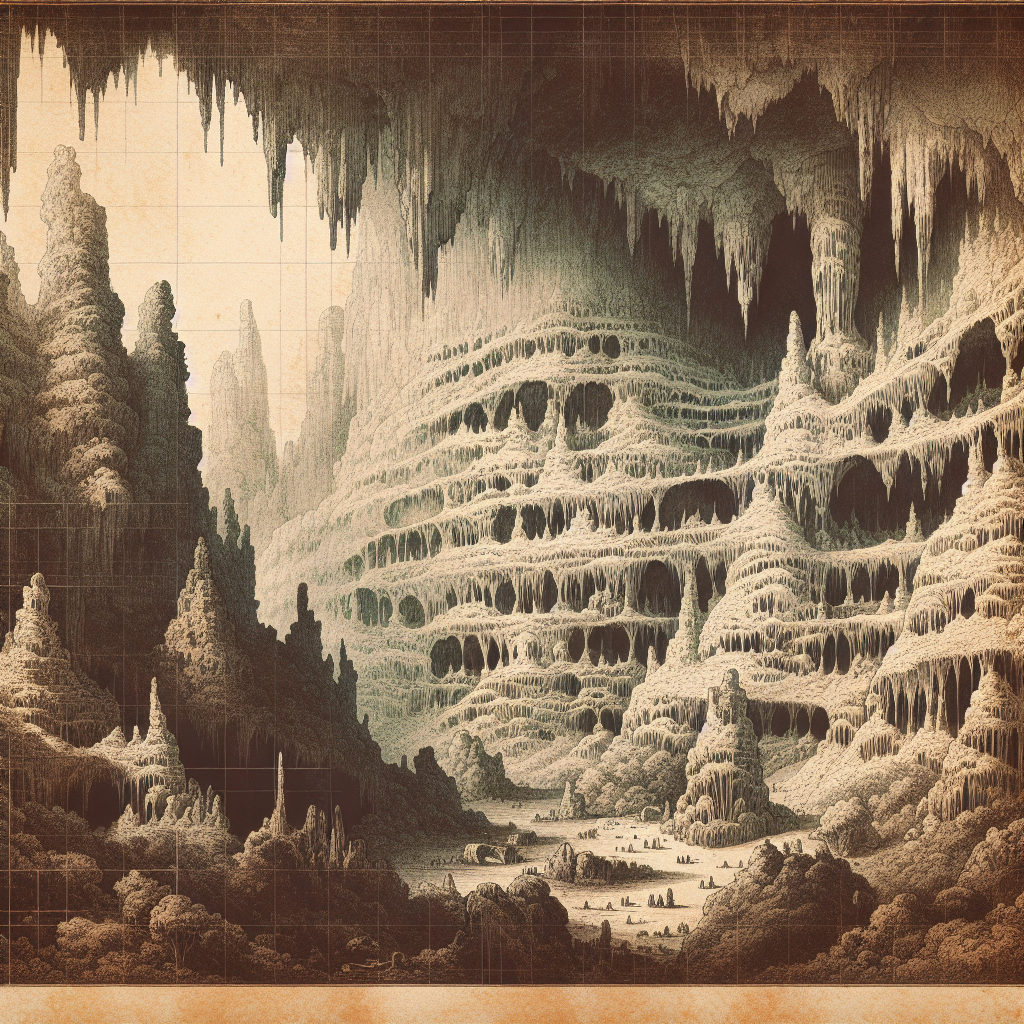

Imagine stepping back in time over 20,000 years. You're standing in a cavern, and the only light emanates from gentle flickers casting shadows on ancient, captivating artworks. Welcome to the Cueva de la Pileta, a remarkable Paleolithic cave nestled in the Serranía de Ronda mountains near Benaoján in Malaga, Spain. Discovered by a local farmer in 1905, this site offers an enthralling glimpse into the minds of our early human ancestors and their profound connection with the world around them.
A Hidden Gem Unearthed
In 1905, a farmer by the name of José Bullón stumbled upon the Cueva de la Pileta. His discovery was nothing short of monumental, as it led to the revelation of a trove of prehistoric cave paintings and ancient artifacts. These artistic expressions, created by the never-identified inhabitants of the cave, date back over 20,000 years to the Upper Paleolithic period, providing us a unique perspective on early Homo sapiens.
The cave itself is a geological wonder. Carved from limestone through natural processes over millennia, it spans many chambers with a labyrinthine structure spread over several kilometers. This makes the pupils of geology widen with excitement, as scientists explore the natural forces that sculpted these incredible formations.
The Art of Understanding
If the canvas is the building blocks of early human creativity, then the art in Cueva de la Pileta brings it to life. Hundreds of paintings and engravings portray everything from simple abstract forms to more complex depictions of animals like horses, fish, and an enigmatic anthropomorphic figure known as "The Sorcerer" — a common motif seen in other Paleolithic art.
What sets the artwork of Cueva de la Pileta apart is its use of natural pigments like ochre and manganese, often enhanced through innovative techniques such as engraving and bas-relief. These components not merely show technical skills but underscore the artists' profound interaction with their environment, using locally sourced materials to create long-lasting impressions.
A Window into the Past
Entering the cave is akin to entering a time capsule. Visitors become archaeologists, historians, and explorers all in one, unraveling layers of human history embedded in the cave walls. The paintings offer invaluable insights into the social structures, spiritual beliefs, and everyday life of early humans. They inspire endless questions that scientists eagerly pursue: What messages were conveyed through these images? What stories did these early humans share? How did they perceive the world around them?
Cueva de la Pileta doesn’t just share its secrets freely; it requires careful study and protection. The cave's fragile ecological balance is key to preserving its precious artwork. Modern methods such as 3D imaging and environmental monitoring help conserve these masterpieces, ensuring they endure for future generations to appreciate and learn from.
Fostering a Spirit of Curiosity and Respect
The Cueva de la Pileta isn't only a testament to human ingenuity; it's a place that nourishes curiosity and respect for our predecessors. Anyone with a zest for knowledge can embark on a journey to understand how our ancestors communicated with each other and their environment. The desire to learn and uncover truths is a fundamental trait of humanity, and this site serves as an inspiration for enlightening explorations around the globe.
For those eager to visit, Cueva de la Pileta is a mesmerizing destination that offers guided tours allowing visitors to experience its ancient beauties firsthand. This experience is akin to a treasure hunt into the deepest corners of human imagination, ending with a personal revelation of connection to our early ancestors.
Why This Matters to Us Today
We live in a time where understanding the past can illuminate paths to our future. Cueva de la Pileta is an educational conduit that connects us all — humans, artists, scientists, and dreamers. It’s an uplifting reminder that the thirst for artistic and intellectual pursuit has been a driving force for humanity throughout the millennia.
Through scientific efforts and an optimistic mindset, we can continue to explore, protect, and celebrate places like Cueva de la Pileta, highlighting the enduring legacy and ingenuity that defines us. By examining art crafted in the depths of a cave eons ago, we find a clear thread that links us across generations and propels us onward. With optimism and respect, we embrace this endless expedition into understanding the human story.