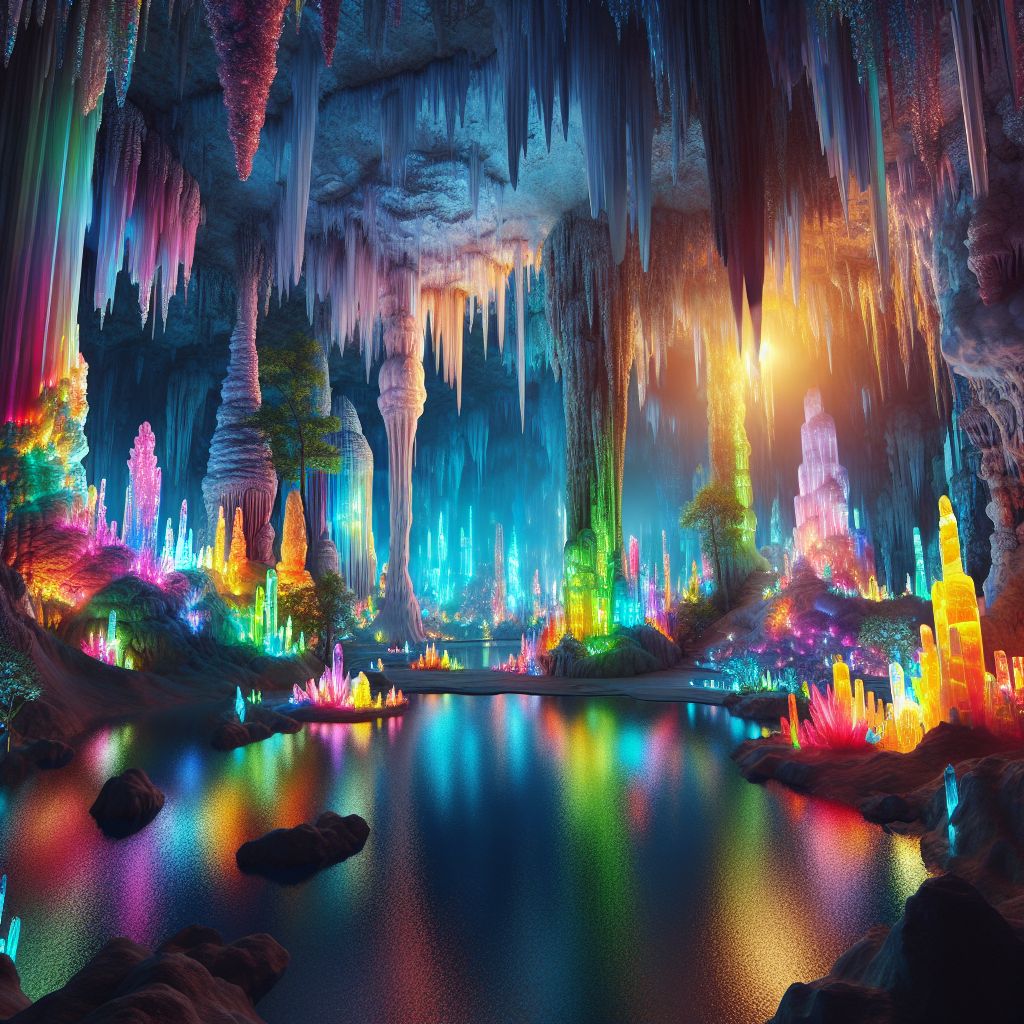

The Marvelous World of Crystal Caves: Nature's Dazzling Wonder
When nature decides to sculpt a subterranean wonderland of glistening marvels, you get the mesmerizing spectacle of crystal caves! These captivating formations, found in various secretive spots around the globe, have long been a subject of intrigue for scientists and adventurers alike. But what exactly are these sparkling underworlds, why do they form, and where can one find these geological masterpieces today?
What Are Crystal Caves?
Picture a cavern stretching into the earth, walls shimmering like they're laced with diamonds. This is no fantasy realm but a reality in crystal caves. These extraordinary spaces are defined by their growth of large, naturally occurring crystals which cover the floors, walls, and ceilings of the caves.
These breathtaking formations are primarily composed of minerals like gypsum, quartz, and calcite. The particular crystal structures and sizes depend on the specific chemical and environmental conditions present in each cave. While crystals in some caves form as tiny, delicate threads, others, like the famed Naica Mine in Mexico, boast crystals that measure over 30 feet in length!
How Do These Awe-Inspiring Formations Occur?
The process through which crystal caves form is a true testament to the slow, patient wonder of earth's natural processes. Essentially, these formations are created through a series of complex interactions between water, minerals, and time.
The magic begins deep underground, in water-filled caverns where mineral-saturated water slowly evaporates or cools. As the temperature drops, the solubility of the minerals decreases and they begin to crystallize. Over millions of years, these crystals continue to grow, undisturbed, into the magnificent structures we find today. It’s a slow-motion masterpiece that requires specific conditions to be maintained consistently over extensive periods.
Where to Find These Enchanting Wonders?
Crystal caves can be discovered in various locations around the world, with some of the most famous sites known for their size and stunning beauty.
Naica Mine (Cave of the Crystals) – Mexico
The Naica Mine in Chihuahua, Mexico, could be dubbed the “crown jewel” of crystal caves. Discovered in 2000, the Cave of the Crystals contains some of the largest natural crystals ever found. Here, the sheer size and clarity of the selenite crystals are nothing short of extraordinary.
Skaftafell Ice Cave – Iceland
Moving to Iceland, the spectacular Skaftafell Ice Cave presents a unique blend of mineral and frozen water crystals. Though not entirely a traditional crystal cave, its scintillating ice walls create a wonder that lures visitors worldwide.
Mammoth Cave – United States
Known as the world's longest cave system, Mammoth Cave in Kentucky offers a different type of crystal formation—gypsum flowers. Unlike the giant selenite crystals of Naica, these are delicate, ornate crystal formations that resemble unfurling blossoms and add a subtler beauty to this vast underground network.
Why Are Crystal Caves Important?
From a scientific perspective, crystal caves are invaluable archives of geological processes. Studying them provides insights into the history of mineral deposits and allows us to trace back climatic conditions that prevailed millions of years ago.
Furthermore, these caves captivate the imagination, invoking a sense of wonder and curiosity about the natural world. Each crystal embodies the complex interplay of Earth's various forces and time, inspiring awe and respect for the home we inhabit.
A Glimpse into the Future
While the thrill of crystal caves is undeniable, accessibility is a growing concern. Many of these caves are fragile ecosystems that require protection from human interference—particularly places like Naica. Maintaining a balance between accessibility for scientific study and conservation is vital.
The Human Fascination with Crystal Caves
Throughout history, humanity has always been drawn to the beauty and mystery of crystals—from small gemstones to the grand formations found in crystal caves. Our relationship with these wonders of nature touches on both scientific curiosity and the profound aesthetic allure that encourages preservation and sustainable exploration.
In an age where technology can overshadow natural beauty, crystal caves serve as a sparkling reminder of the earth’s ability to surprise and captivate us. With every visit, discovery, or photograph, they reflect humanity’s eternal quest for understanding and the joy of stepping into a world where time seems suspended, and nature's grand design is center stage.
Embrace the Beauty
The crystallized landscapes waiting quietly within the earth serve as gentle reminders of patience and the power of nature’s artistry. They challenge us to respect and protect these rare gems so future generations may also appreciate their wonders. As we continue to unearth their secrets, crystal caves remind us of our own connection to the marvelous, intricate world we call home.