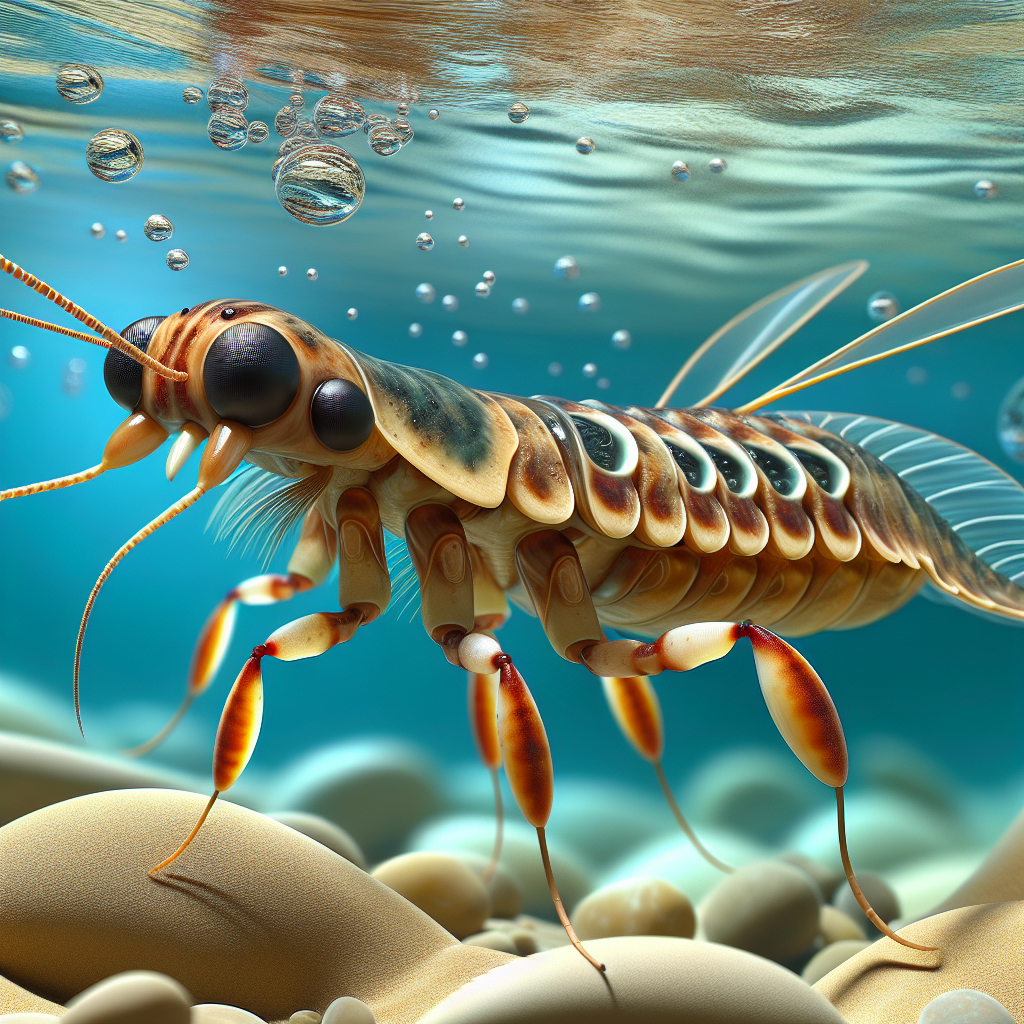

Corixini: Harnessing Nature’s Engineers for a Sustainable Future
Ever heard of Corixini, the unsung heroes of the insect kingdom, straddling the tranquility of water surfaces and the vibrant buzz of scientific curiosity? Corixini, or water boatmen, are a subfamily of aquatic insects with a storied past observed across the globe from the bustling wetlands of Europe to the serene ponds of North America. These fascinating creatures have caught the attention of researchers not just because of their unique rowing abilities but also for their potential contributions to sustainability and ecological balance in our modernizing world.
Meet the Water Boatmen: What Sets Corixini Apart?
Corixini belong primarily to the larger family Corixidae and thrive in freshwater habitats. Unlike their predatory insect cousins, the Corixini possess a distinctive assortment of biological talents. They navigate waters with aplomb using their oar-like hind legs, earning their nickname "water boatmen". Not only are they proficient swimmers, but they also serve as crucial players in the aquatic food webs, eating algae and detritus while simultaneously providing sustenance for larger predators.
Unique to the Corixini is their exceptional communication strategy, wherein males create vibratory courtship songs by rubbing their vivid forelegs against their heads—a unique serenade that embodies nature's complexity and creativity. These aquatic troubadours also hold an impressive record for sound production, with their calls reaching incredible decibels relative to their body size, akin to a human whispering at the volume of a jet engine!
The Scientific Importance of Corixini
The allure of Corixini extends beyond romantic serenades as they play a pivotal role in their ecosystems. Scientists study these insects to gain insights into sound production and acoustic signaling among aquatic organisms. Their vibratory communication methods offer a model for bio-acoustic technology, stoking the fires of innovation in sonar applications.
Moreover, by feeding on decaying plant material and algae, Corixini target sources of eutrophication—a process causing excessive plant growth and oxygen depletion in water bodies. By keeping these factors in check, they shield aquatic habitats from degradation, underscoring their ecological significance. Alas, in their small, whimsical forms, they become eco-warriors, battling pollution on the front lines of lakes and ponds.
Role in Biological Research and Innovations
Corixini’s importance in science does not stop at biology. There's rising interest in applying their behavioral patterns and adaptations to technological pursuits. Their nuanced sonar-like communication systems are studied for copying in fields such as underwater robotics, where efficient communication is key.
Additionally, biomimetic engineering draws from lessons of the water boatmen's rowing technique to innovate in robotics and watercraft design—striving for efficient energy use inspired by the natural world. Just as spiders taught us about tensile strength, studying Corixini teaches us about swift, silent movement through water, potentially revolutionizing waterborne vehicles.
Environmental Impact and Conservation
As environmentalists cherish the balance maintained by Corixini, there’s an essential move toward their protection. Agricultural runoff, pollution, and habitat loss threaten these insects, signaling a dire need for conservation efforts. By acknowledging their role in maintaining water quality and as bio-indicators of ecological health, conservationists advocate for cleaner waterways and the restoration of natural habitats.
Their presence serves as an alarm system, indicating disturbances in their ecosystems with stark precision. Conserving these tiny insects means preserving the larger ecological balance and, in turn, a healthier planet.
Corixini and the Future
Looking forward, innovations inspired by Corixini continue to spark excitement. The potential applications of their unique biology might revolutionize multiple fields—from ecological restoration to advancement in sonar technologies. As we strive for sustainable solutions to environmental challenges, understanding and leveraging the intricacies of nature become imperative.
By protecting and learning from Corixini, we stand to gain more than a peek into the world of insects; we gain inspiration for sustainable innovation. Enthusiasts in ecological and technological arenas work alongside these tiny champions, ensuring brighter, balanced tomorrows.
In closing, let us appreciate the profound, patient voices of nature’s engineers—in the songs of the water boatmen. Not only do they narrate tales of ecological marvel and acoustic brilliance, but they also guide us toward a future where bio-inspired innovation sits at the forefront of sustainability.